
NEWS
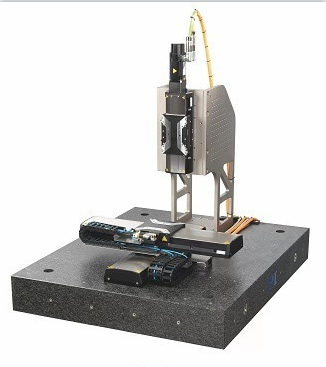
I. Positioning: High-speed precision automation motion reference carrier vibration-damping rigid frameworkOrdinary steel guide rails only serve the guiding function; the integrated granite linear guide integrates
I. Positioning: High-speed precision automation motion reference carrier vibration-damping rigid frameworkOrdinary steel guide rails only serve the guiding function; the integrated granite linear guide integrates
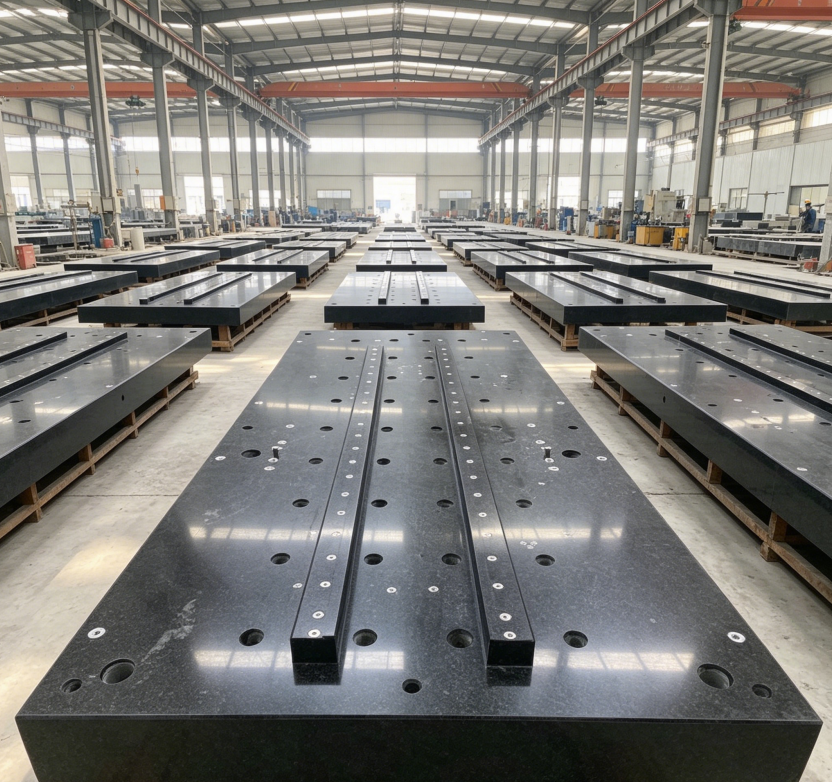
Comprehensive Interpretation of Precision Large Granite and Manual Nano-level GrindingI. Basic Premise: Why Choose Granite as a Precision ReferenceThe natural physical advantages of granite form
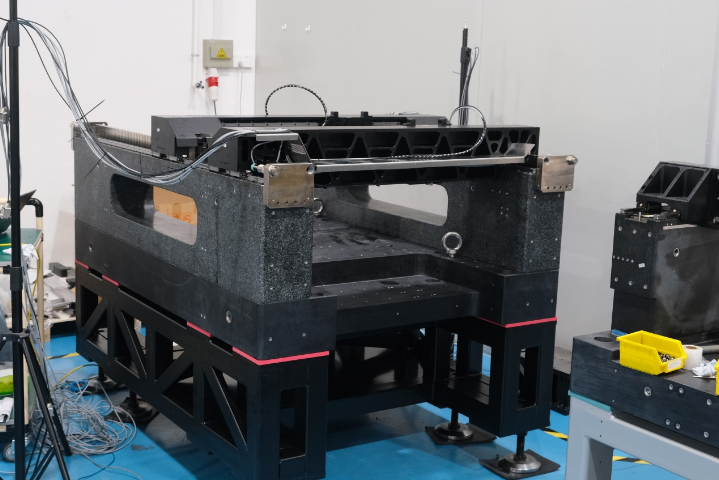
Complete Application Fields of Silicon Carbide Ceramic Precision Equipment Bases (Including Integrated Water-Cooled Bases) Silicon carbide bases, relying on five core advantages—high specific stiffness, high
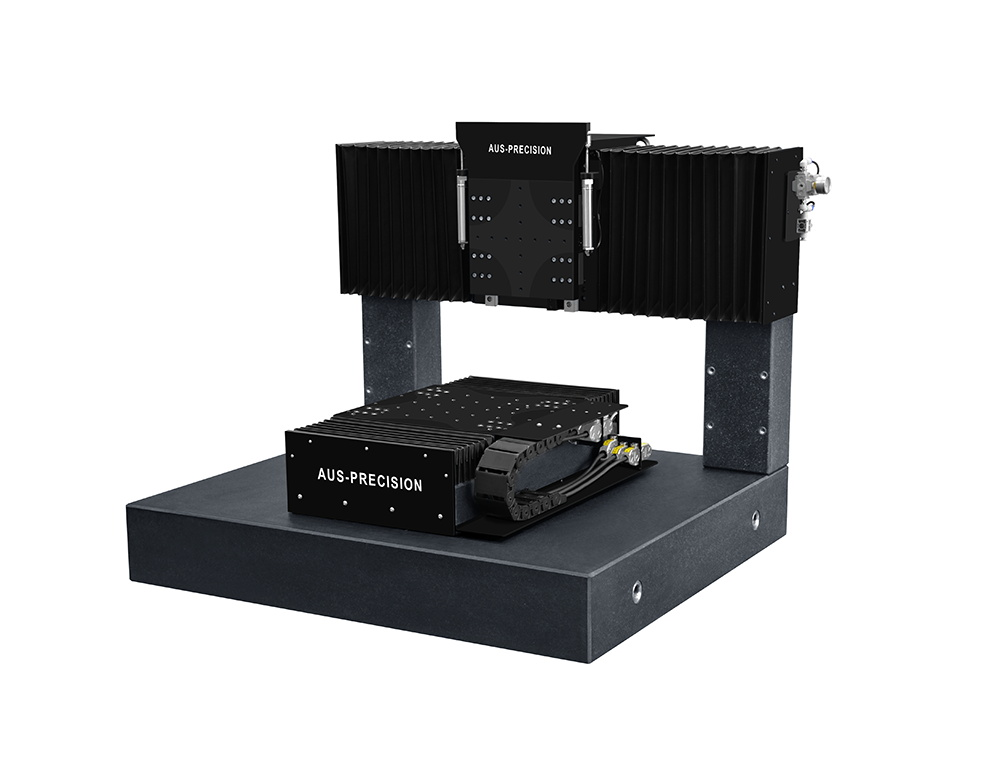
Application Field Product Type Key Precision Indicators (Reference Surface) Thermal Performance Indicators Mechanical / Vibration Resistance Indicators Core Application Requirements Advanced Lithography Machines (EUV /
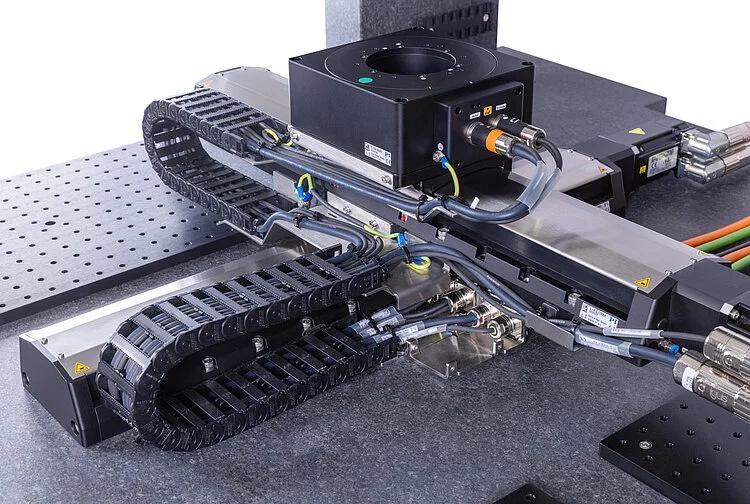
Why Silicon Carbide Ceramic Components are the Core Key to Next-Generation Precision Machinery Facing next-generation high-end precision equipment such as EUV/advanced lithography, 3nm and below
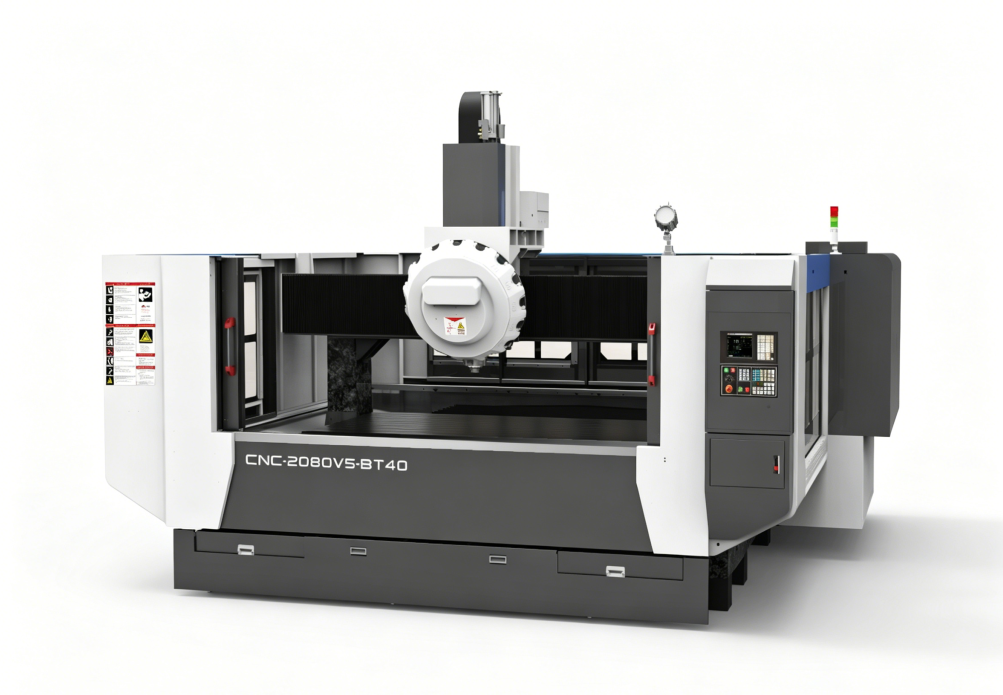
The core reason for the high precision requirements of semiconductor equipment granite basesSemiconductor manufacturing belongs to nano-scale precision processing/inspection (lithography, metrology, probe stations, coating, cutting
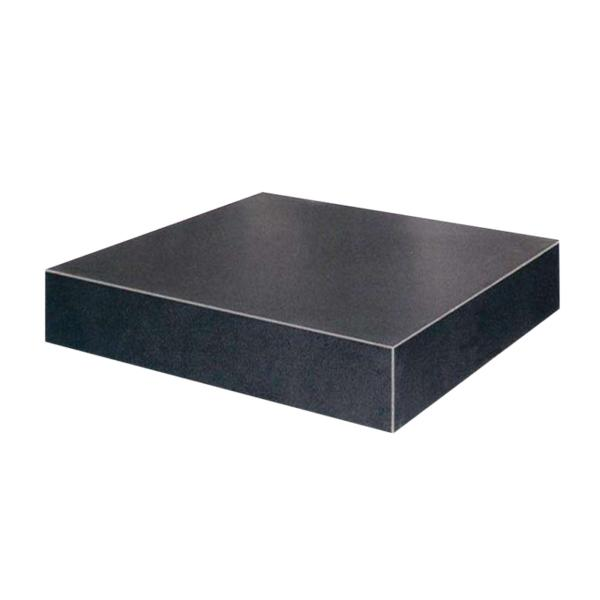
Complete Selection Guide for Granite Tables Dedicated to Metrology and CalibrationCore Requirements for Metrology and Calibration Tables: Long-term dimensional stability, extremely low thermal expansion, minimal
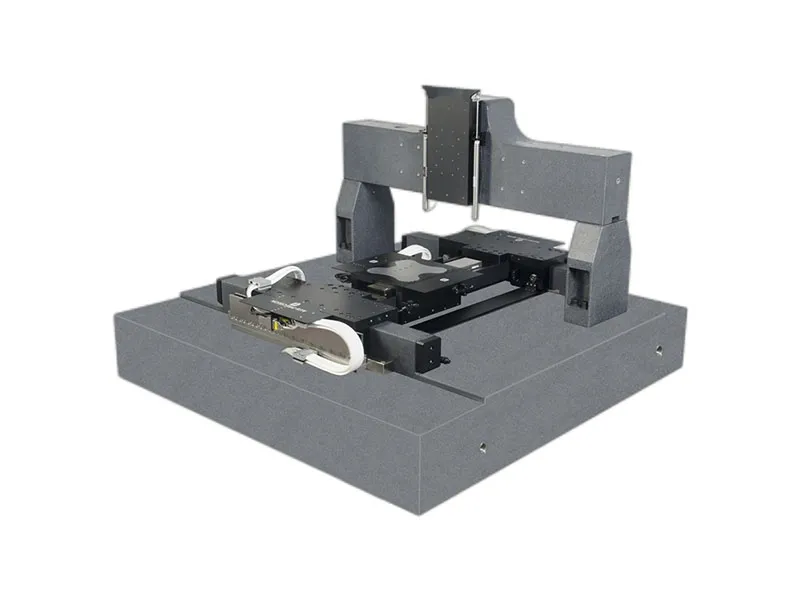
Flatness accuracy range of granite machine tool bases with threaded inserts:Implementing the national standard GB/T 20428-2006 “Granite Surface Plates”, divided into 4 accuracy grades. Due
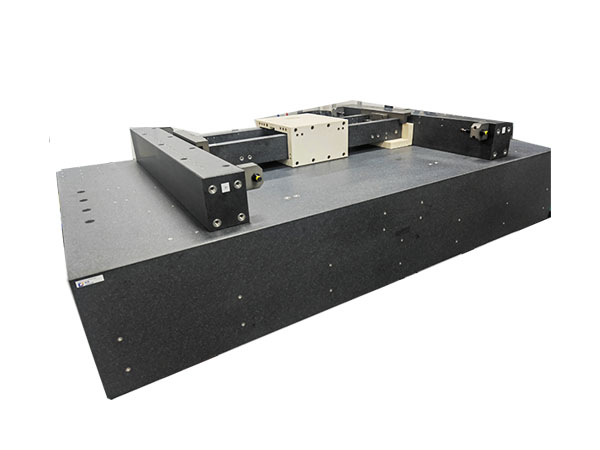
Complete Selection Guide for High-Precision Granite Machine Tool Bases with Threaded InsertsFollow the 7-step screening process: Application Scenario → Material → Precision → Dimensions &
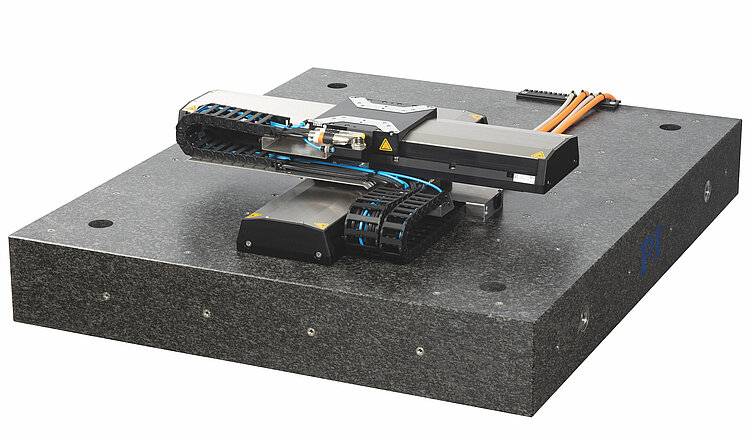
High-precision granite machine tool base with threaded inserts I. Basic Product DefinitionMade of dense black natural granite (primarily Jinan Green) through integral grinding and shaping,