Сценарии применения и области использования прецизионных V-образных блоков Granite (V-блоки)
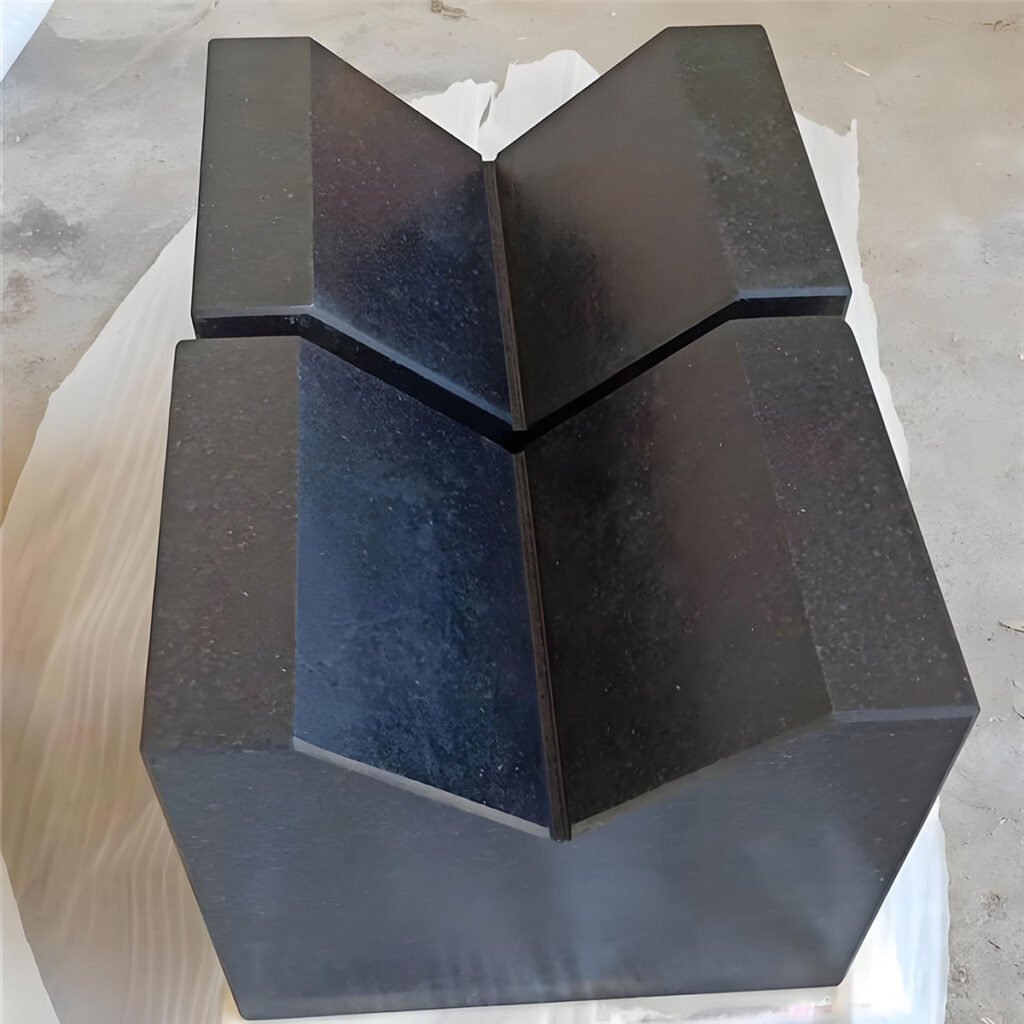
V-образные блоки из гранита, изготовленные из натурального черного гранита в качестве основного материала, отличаются высокой точностью, высокой стабильностью, устойчивостью к деформации, а также обладают такими свойствами, как устойчивость к ржавчине, износостойкость, немагнитность и коррозионная стойкость. Они являются основными прецизионными измерительными инструментами для механической обработки, метрологии, контроля качества и позиционирования инструментов, широко используемыми в таких областях, как машиностроение, изготовление пресс-форм, ЧПУ и метрологические лаборатории.
I. Основные базовые функции
В основном они используют V-образную канавку под углом 90° для фиксации и позиционирования цилиндрических заготовок (валов, круглых прутков, труб, шпинделей, инструментов и т. д.), обеспечивая горизонтальное положение оси заготовки или её расположение на одной высоте. В сочетании с часовыми индикаторами, цифровыми индикаторами, высотомерами, угловыми линейками и линейками они позволяют проводить контроль и калибровку.
II. Подробные сценарии применения
- Точный контроль геометрических размеров, а также допусков на форму и положение (основное применение)
Контроль округлости и цилиндричности деталей валов
Установите оптические валы, валы двигателей, валы трансмиссии, ходовые винты и хвостовики инструментов в V-образную канавку, поверните заготовку и с помощью индикатора часового типа или цифрового индикатора измерьте биение наружного диаметра, округлость и конусность, чтобы определить, соответствует ли обработка заготовки установленным требованиям.
Контроль соосности и радиального биения
Используйте несколько V-образных блоков в комбинации для фиксации длинных валов, ступенчатых валов и коленчатых валов с целью проверки соосности и биения торцевой поверхности различных участков вала. Такой подход широко применяется при контроле качества двигателей, редукторов и шпинделей.
Проверка параллельности и перпендикулярности
В сочетании с гранитными плоскостями и квадратными линейками они позволяют проверять перпендикулярность торцевой поверхности цилиндрической заготовки к её оси, а также параллельность генератрисы заготовки относительно опорной плоскости.
Измерение высоты центра заготовки
В сочетании с высотомерами и цифровыми высотомерами они позволяют точно измерить высоту от центра цилиндрической заготовки до опорной плоскости. - Инструменты для нанесения разметки, отбора проб и столярных работ
Точное нанесение разметки
Цилиндрические заготовки, круглые трубы и валообразные заготовки закрепляются на V-образных блоках. Станочники наносят разметку осевых линий, линий равных делений и границ обработки с точностью, значительно превосходящей точность чугунных V-образных блоков.
Вспомогательные работы по сверлению, нарезанию резьбы и шлифованию
Временная фиксация и зажим небольших круглых прутков и труб для предотвращения их прокручивания и смещения во время обработки; подходит для ручной обработки небольших партий и ремонта пресс-форм. - Калибровка станков, регулировка шпинделя и инструмента
Проверка точности шпинделя станка
В ходе технического обслуживания токарных станков с ЧПУ, обрабатывающих центров и шлифовальных станков на V-образный блок устанавливается стандартный контрольный брусок для проверки точности вращения шпинделя станка и параллельности между шпинделем и рабочим столом.
Коррекция инструмента и держателя инструмента
Регулировка положения держателей инструментов CAT/BT, сверл и хвостовиков фрез с целью устранения биения инструмента и калибровки его центра, что позволяет повысить точность обработки.
Калибровка инструментов и приспособлений
Проверка точности позиционирования установочных штифтов и круглых валов на инструментах и приспособлениях. - Отраслевые применения в производстве пресс-форм
Точный контроль и сортировка выталкивающих штифтов, направляющих стоек, направляющих втулок и круглых сердечников;
Позиционирование, контроль и выпрямление круглых вставок для пресс-форм и круглых электродов (электродов для электроэрозионной обработки);
Установка и проверка цилиндрических деталей при ремонте пресс-формы. - Метрологическая комната / Лабораторные эталонные измерения
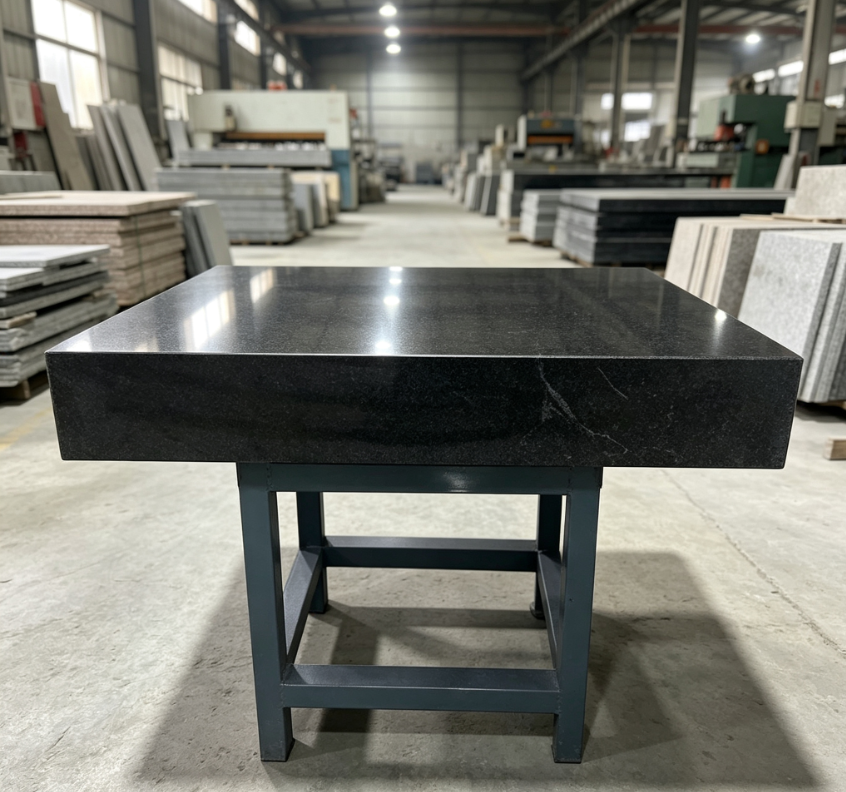
В качестве эталонного измерительного инструмента они используются в комплекте с гранитными платформами, образуя стандартную контрольную платформу, которая применяется для независимых испытаний, калибровки измерительных приборов, выборочного контроля прецизионных деталей и независимой проверки качества. На их работу не влияют незначительные изменения температуры и влажности, что обеспечивает долгосрочную стабильную точность. - Монтаж и ввод оборудования в эксплуатацию
Повторная проверка точности деталей трансмиссии, таких как валы масляного насоса, подшипники, ролики и валы роликов, перед сборкой;
Установка, позиционирование и выравнивание деталей круглых валов в автоматизированном оборудовании и на производственных линиях.
III. Преимущества по сравнению с чугунными V-образными блоками (причины, по которым они подходят для высокоточных задач)
Чрезвычайно низкий коэффициент теплового расширения, устойчивость к деформации при перепадах температуры, сохранение высокой точности как в помещениях с постоянной температурой, так и в обычных цехах;
Устойчив к коррозии, немагнитен и не имеет заусенцев, что предотвращает появление царапин на поверхности прецизионных заготовок;
Однородная текстура и износостойкость, с медленным снижением точности при длительном использовании;
Устойчив к воздействию кислот и щелочей, коррозионно-стойкий, подходит для использования в средах, содержащих масло и охлаждающую жидкость.
IV. Распространенные комбинации
Одноразовое использование: индикатор с одним V-образным блоком / контрольный индикатор (определение биения с одной стороны)
Использование в паре: пара гранитных V-образных блоков одинаковой высоты (основное применение) — высотомер для гранитных плоскостных пластин / измерительный высотомер (с длинным валом, с полным охватом вала)
Комбинированный контроль: V-образный брусок / линейка (проверка перпендикулярности и параллельности)
V. Диапазон применимых заготовок
Различные цилиндрические заготовки: гладкие валы, ступенчатые валы, ходовые винты, направляющие стойки, выталкивающие штифты, хвостовики инструментов, держатели инструментов, круглые прутки, трубы, испытательные прутки, электроды, валы роликов, наружные кольца подшипников и т. д.