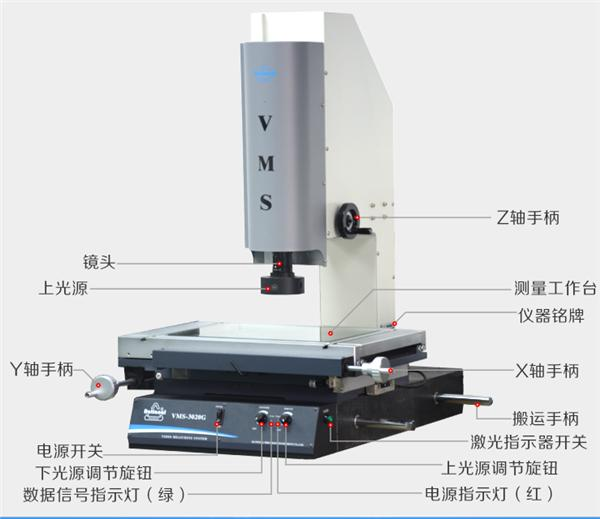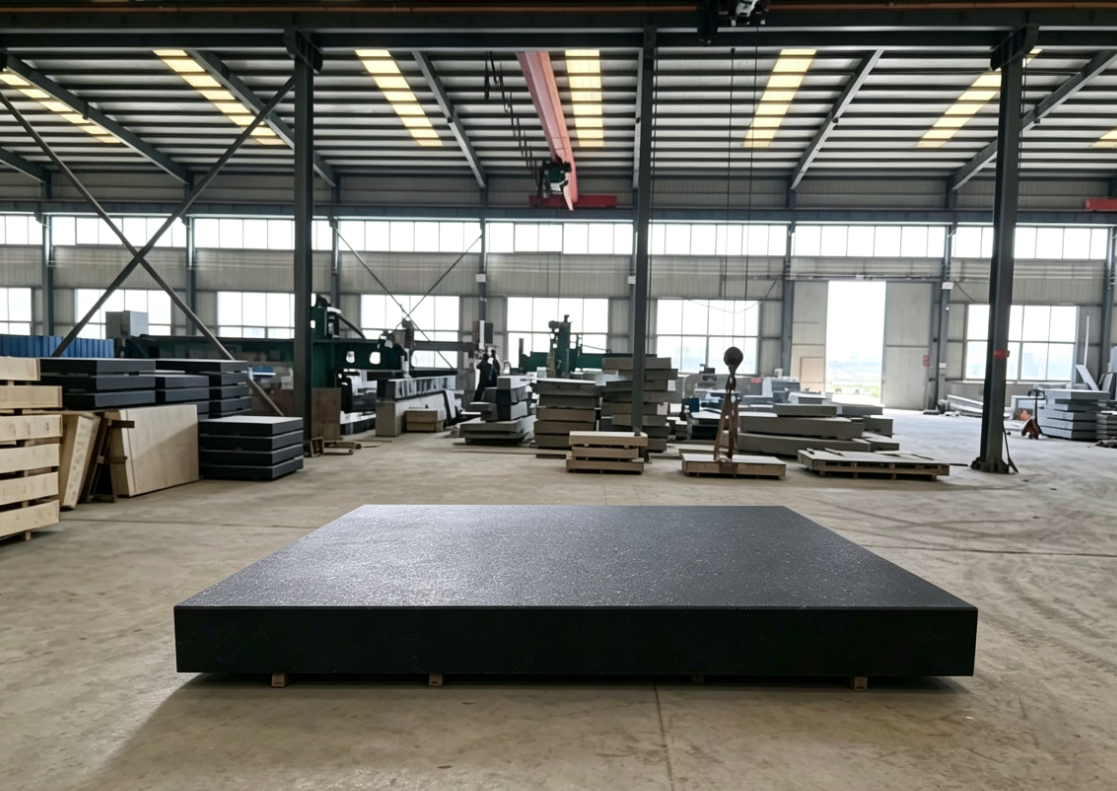
Гранитное основание является основной опорой и эталоном точности системы двумерной визуализации, непосредственно определяя долгосрочную стабильность оборудования, точность измерений и его адаптивность к условиям окружающей среды, выступая в качестве “фундамента” прецизионных измерений.
Гранитное основание
I. Основная роль: почему необходимо использовать гранит
Сверхвысокая жесткость и крайне низкая деформация: натуральный гранит класса 00 (например, «Цзинань Грин») обладает высокой плотностью и твердостью (твердость по Шору Hs70), высокой прочностью на сжатие и сохраняет форму в течение длительного времени. Это исключает деформацию чугуна/стали в результате старения, обеспечивая годовое отклонение точности ≤0,5 мкм.
Превосходная термическая стабильность: материал обладает чрезвычайно низким коэффициентом линейного расширения, что обеспечивает минимальное тепловое расширение и сжатие при колебаниях температуры. Даже в стандартных условиях цеха, где отсутствует строгий контроль постоянной температуры, он способен стабильно сохранять точность на уровне микронов.
Высокая виброустойчивость и вибропоглощение: натуральный камень обладает хорошими демпфирующими свойствами, эффективно поглощая вибрации от грунта и в процессе работы, что позволяет избежать дрожания изображения и отклонений в позиционировании, благодаря чему он особенно подходит для массового контроля.
Превосходная плоскостность и износостойкость: Основание/рабочий стол подвергается прецизионной шлифовке для достижения плоскостности класса 00. Поверхность отличается твердостью и устойчивостью к царапинам, что позволяет сохранять точность опорной поверхности в течение длительного срока эксплуатации и обеспечивает стабильную загрузку и зажим.
Коррозионная стойкость и длительный срок службы: Материал устойчив к воздействию кислот и щелочей, не подвержен ржавчине и подходит для использования в условиях мастерских, где присутствуют масло и пыль. Он отличается низкими затратами на техническое обслуживание и сроком службы, значительно превышающим срок службы металлических конструкций.
II. Применение в конструкции: как основа поддерживает всю машину
Основание (основание станка): Обеспечивает опору для колонн, рабочего стола, направляющих и системы передачи, гарантируя перпендикулярность и параллельность осей X и Y, а также предотвращая деформацию станка в целом.
Столбы / балки: являясь неотъемлемой частью основания или жестко соединенные с ним, они поддерживают объектив CCD и механизм оси Z, предотвращая прогиб консоли и обеспечивая перпендикулярность оси Z к рабочему столу.
Рабочий стол: двухслойная гранитная конструкция, предназначенная для поддержки заготовок и оптического стекла, которая обеспечивает точность выравнивания по осям X и Y и предотвращает локальные деформации, вызванные собственным весом заготовки.
III. Обеспечение точности: ключевое значение для измерений
Базовая точность: благодаря сочетанию шкал на решетке (разрешение 1 мкм) и сервосистем обеспечивается точность перемещения по трем осям ±1,5 мкм и повторяемость ≤1 мкм.
Долгосрочная стабильность: устраняет проблему “ползучести” металлических материалов, обеспечивая сохранение точности в течение длительного срока эксплуатации, что делает данное решение подходящим для высокоточного массового контроля в производстве пресс-форм, электроники и металлоизделий.
Адаптивность к условиям окружающей среды: даже в условиях производственных цехов, характеризующихся колебаниями температуры и слабыми вибрациями, устройство по-прежнему стабильно выдает высокоточные данные, что снижает строгие требования к условиям установки.
IV. Распространенные материалы и их выбор
«Jinan Green» (наиболее распространённый): высокая плотность, высокая твёрдость, хорошая термостойкость и отличное соотношение цены и качества; подходит для большинства стандартных моделей станков.
«Индийский чёрный» / «Чанцюйский чёрный»: более высокая точность и повышенная стабильность; используется в моделях высококлассных станков с большим ходом (например, портальных).
Требования к классу качества: необходимо выбрать класс 00 (класс с наивысшей точностью), при этом плоскостность, параллельность и перпендикулярность должны строго соответствовать стандартам.
V. Сценарии применения в отрасли
Прецизионные пресс-формы: Проверка размеров и допусков на форму и положение полостей, сердечников и отверстий для направляющих стоек с целью обеспечения стабильности качества пресс-формы.
Электронные компоненты: контроль двухмерных размеров и контуров мелких деталей, таких как промежуточные рамки мобильных телефонов, модули камер и разъемы.
Прецизионная металлопродукция / штампованные детали: контроль положения, соосности и прямолинейности пружин, винтов, шестерен и т. д.
Пластиковые детали: бесконтактный высокоточный контроль заусенцев, диаметров отверстий и расстояний между элементами деталей, изготовленных методом литья под давлением.