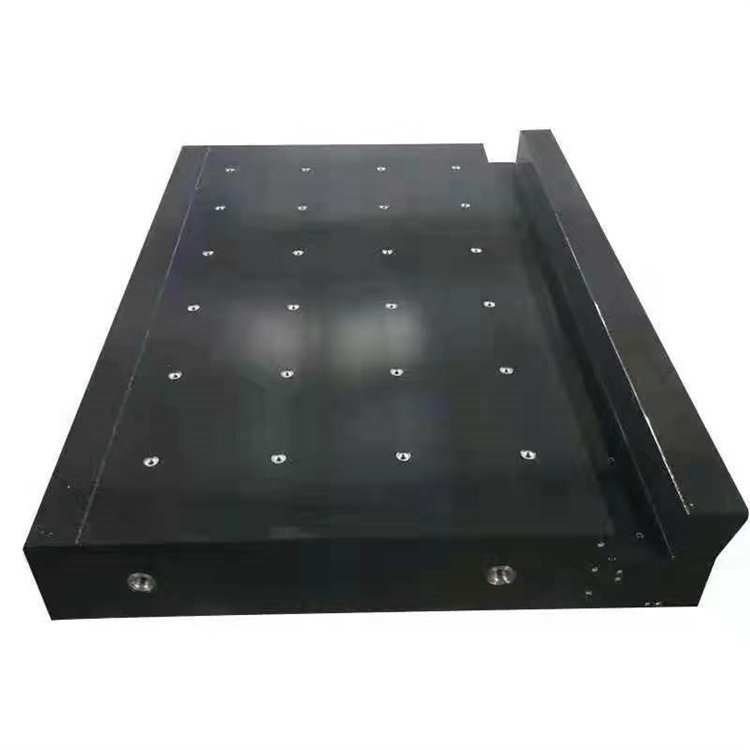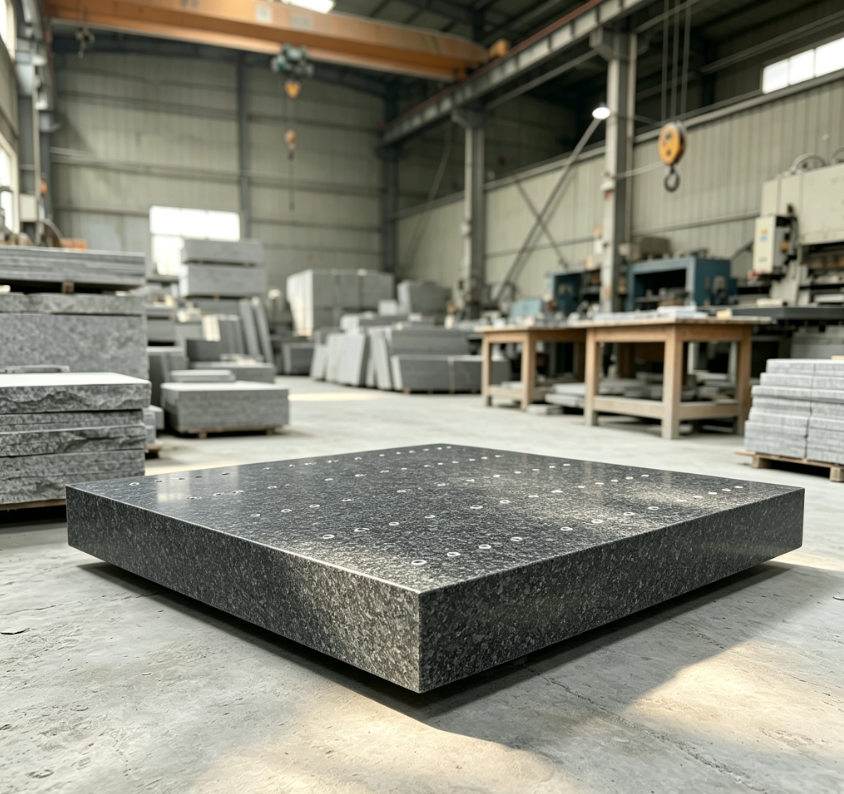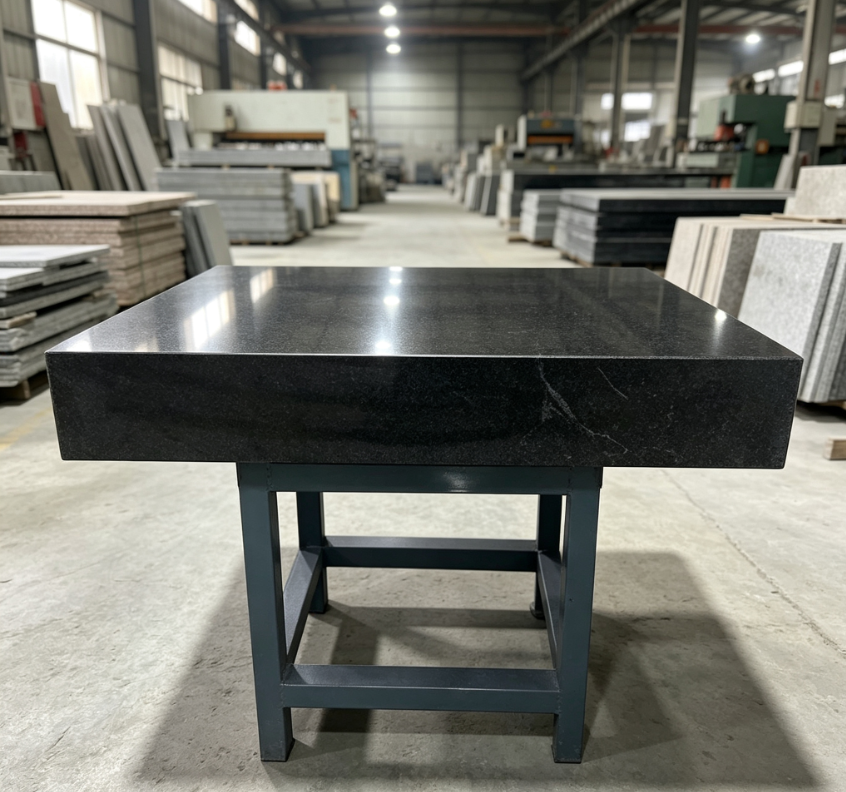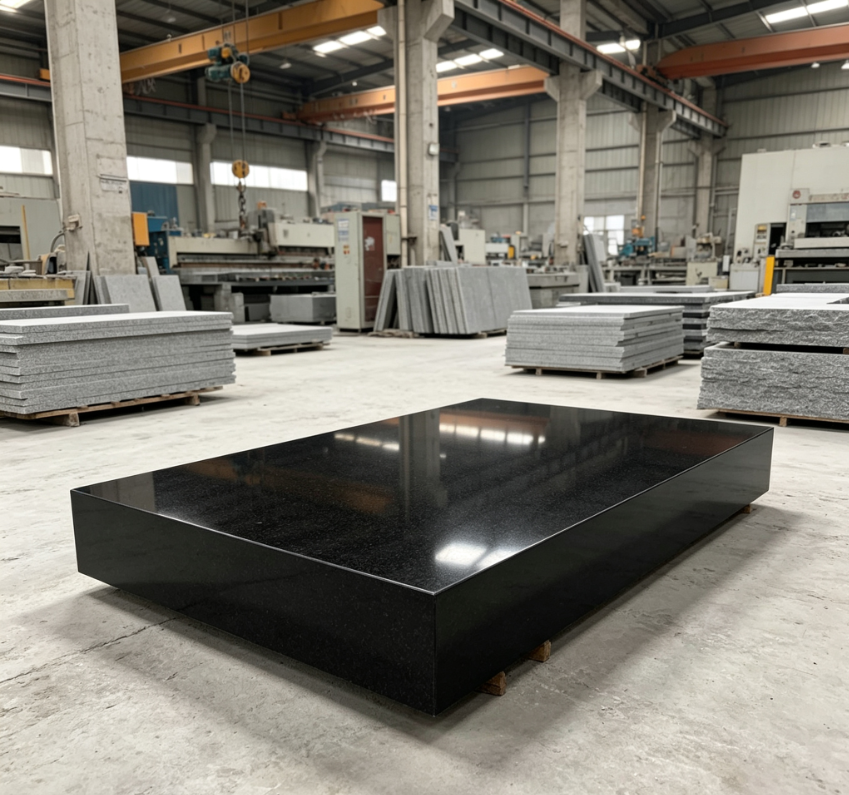
Структура - это размер, форма и расположение минеральных зерен. Гранит обычно характеризуется кристаллической гранитной структурой с полуидиоморфными-идиоморфными минеральными зернами, крупным размером зерен и временной кристаллизацией (сначала кристаллизуются акцессорные минералы, а затем заполняющие промежутки). К основным типам относятся:
- По размеру зерна:
Мелкозернистая структура: Минеральные зерна диаметром 5 мм, некоторые достигают сантиметрового уровня, с рыхлой текстурой (например, гранит Цзинчжэнь).
Специальные типы структур:
Порфировая структура: Содержит крупные вкрапленники (например, калиевый полевой шпат, диаметр 1 см), вкрапленные в мелкозернистый матрикс (как в образце из города Хэйхэ).
Порфиритная структура: Закономерный переход размера зерна между кристаллом и матрицей.
Вульгарная структура: В породе образуются отверстия, заполненные кристаллами кварца или полевого шпата.
Гнейсовая структура: ковит и другие листоподобные минералы расположены направленно (под влиянием тектонических деформаций).
Структура гранита
Под структурой понимается общее распределение минералов в породе. В граните преобладает массивная структура:
Массивная структура: Минералы (кварц, полевой шпат, мусковит) равномерно распределены и имеют направленное расположение, составляя большую часть гранита.
Другие редкие сооружения:
Сфероидальная структура: Минералы собираются в сферическую форму (как, например, некоторые метаморфические граниты).
Порфировая структура: Распределение минералов неравномерное, с локальным обогащением.
Механизм образования
Структурные различия обусловлены скоростью движения магмы и глубиной залегания: медленное охлаждение в глубоко залегающей среде (>3 км под землей) формирует средне-грубозернистую структуру; быстрое охлаждение или смешивание магмы может привести к образованию морфиритной/мелкозернистой структуры (например, при закачке мафической магмы с образованием пертита).