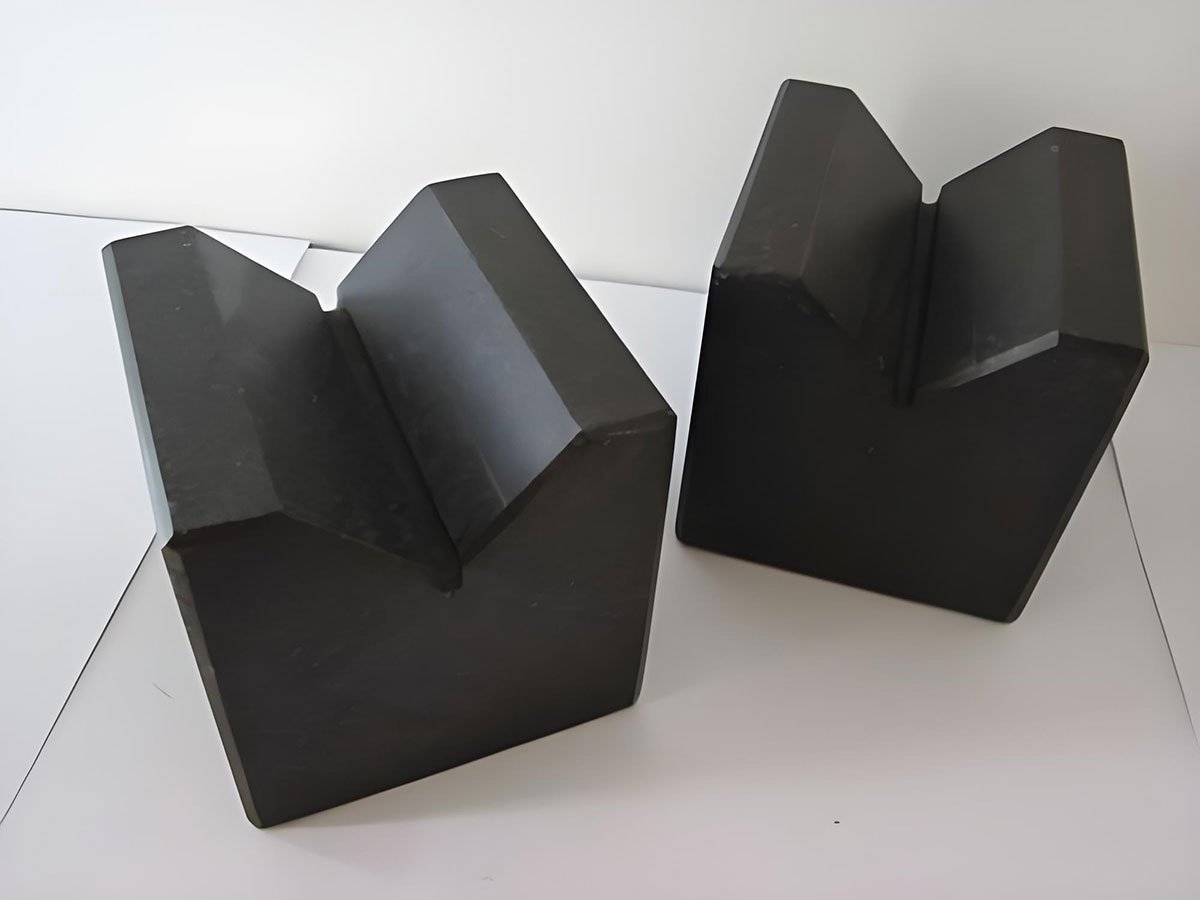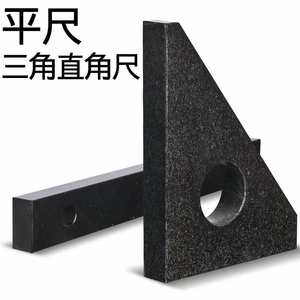
Granite: Opening a New Chapter in Semiconductor and Precision Laser Manufacturing
In the era of extreme manufacturing charemiconductor nanofabrication and ultrafast laser precision processing, natural granite has transcended its role as a traditional building material to become the “foundation of precision” for high-enipment. With irreplaceable material properties, it breaks through the performance bottlenecks of metals and composites, reshapes the boundaries of manufacturing precision, and formally opens a new chapter in sonductor and precision laser manufacturing.
I. Core Material Characteristics: Naturally Suited for Extreme Manufacturing Demands
The natural physical attributes of granite precisely match the core requirements of semiconductor and laser mnufacturing—namely, “nanoscale stability, zero vibration interference, and strong environmental tolerance.” It possesses four irreplaceable advantages:
Ultra-low thermal expansion and micron-level dimensionastability
Thermal expansion coefficient (CTE) <4.5×10⁻⁶/℃, only 1/5 that of stainless steel and 1/3 of cast iron. Deformation under temperature fluctuations is minimal—lithography machines maintain ±0.001mm dimensional stability during continuous operation, and laser equipment thermal drift is conrolled to ±0.3μm/℃, completely avoiding calibration failure and processing errors caused by thermal deformation.
Superior vibration damping and instant suppression of micro-vibrations
Its de microcrystalline structure grants it internal friction damping 10 times higher than steel and 15 times higher than cast iron, with a vibration attenuation rate exceeIt instantly absorbs micro-vibrations (amplitude <0.1μm) generated by equipment operation and high-speed motion, eliminating laser beam deflection and wafer positioning deviatioo ensure nanoscale processing consistency.
Ultra-high rigidity zero magnetization, eliminating interference errors
Mohs hardness 6-7, compressive strength exceding 200MPa, with no deformation or stress creep under long-term load. Completely non-magnetic, it completely eliminates magnetic interference errors in laser measurement and electronic detection, meeting the anti-stic and non-magnetic environment requirements of semiconductor cleanrooms.
Corrosion-resistant wear-resistant, maintenance-free for the entire lifecycle
Resistant to acid and alkali corrosion, it withstaical erosion in semiconductor processes. After precision grinding, the surface achieves mirror-level flatness of Ra0.008μm, with a wear life five times that of metal.ation cycles last 1-2 years (compared to 3-6 months for metal), significantly reducing maintenance costs and downtime.
II. Semiconductor Manufacturing: The “le Base” for Nanofabrication
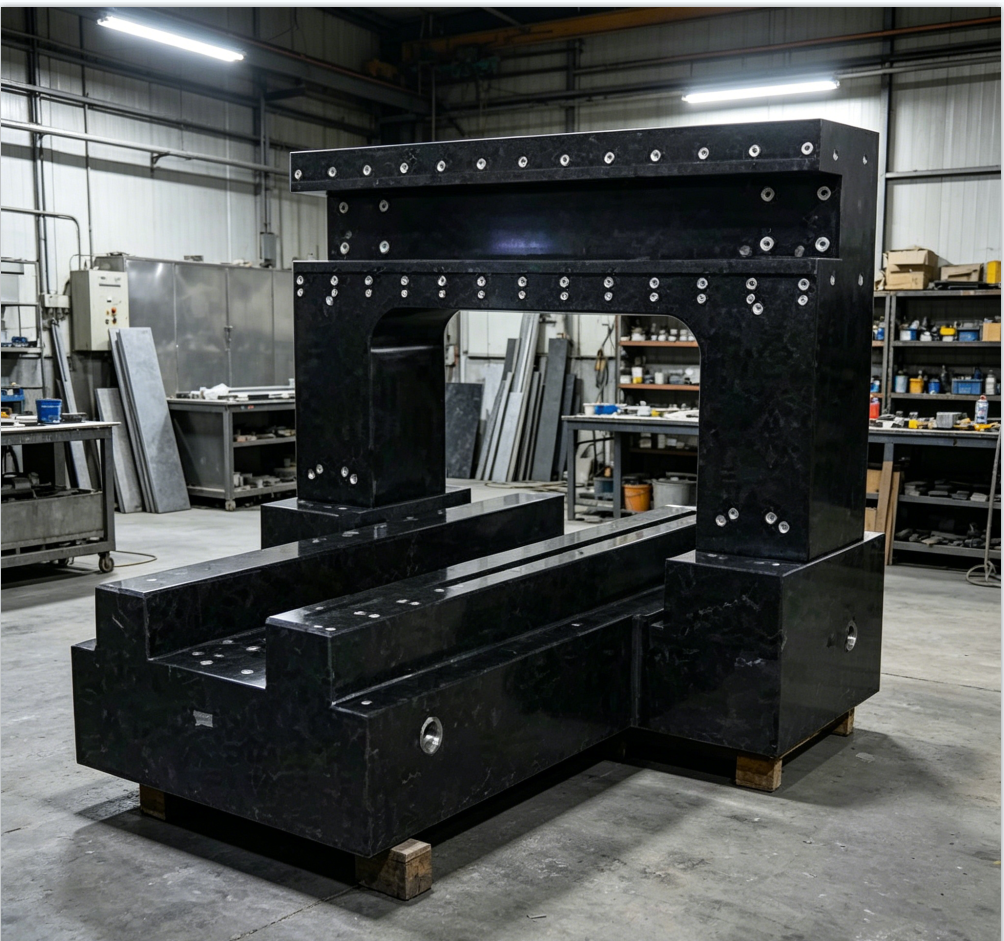
In advanced wafer fabs (7nm and below processes), granite has become a core component for lithography machines, wafer dicing machines, anon equipment. Globally, 63% of high-end wafer fabs have replaced traditional metal platforms with granite.
Lithography machine / Exposure machine base / worktable: Supptical lenses and reticle stages; nanoscale flatness ensures exposure precision and prevents misalignment of chip circuits;
Wafer cutting / dicing platform: Sub-micron less uniformly supports wafers; vibration damping characteristics prevent chipping and cracking during cutting, improving yield;
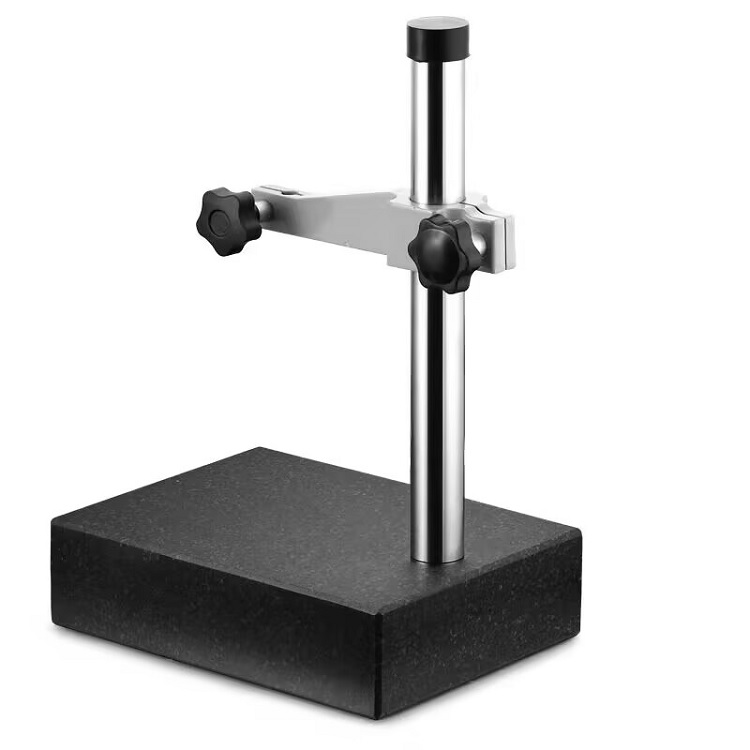
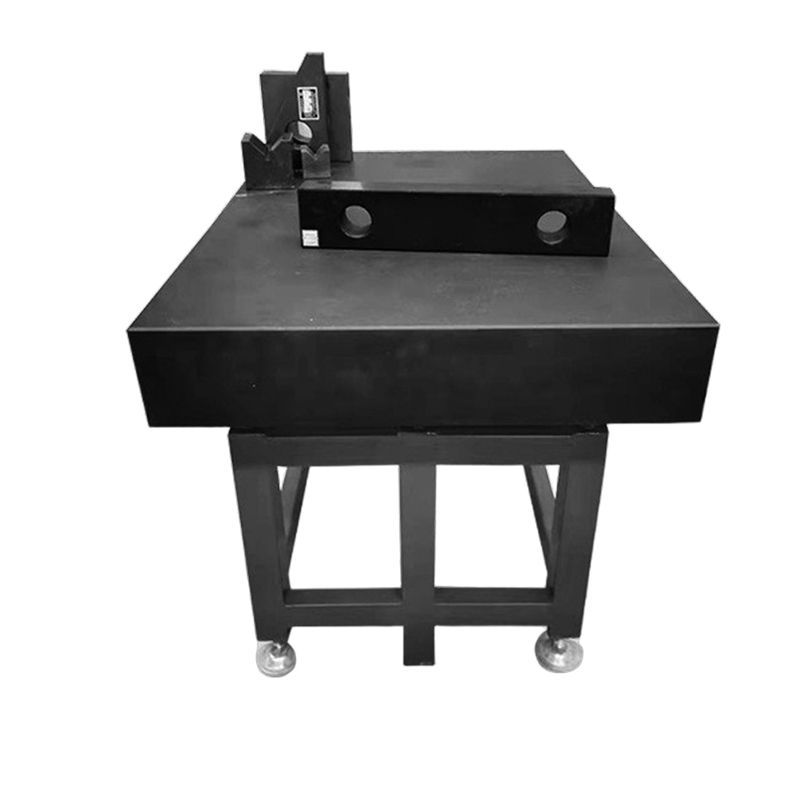
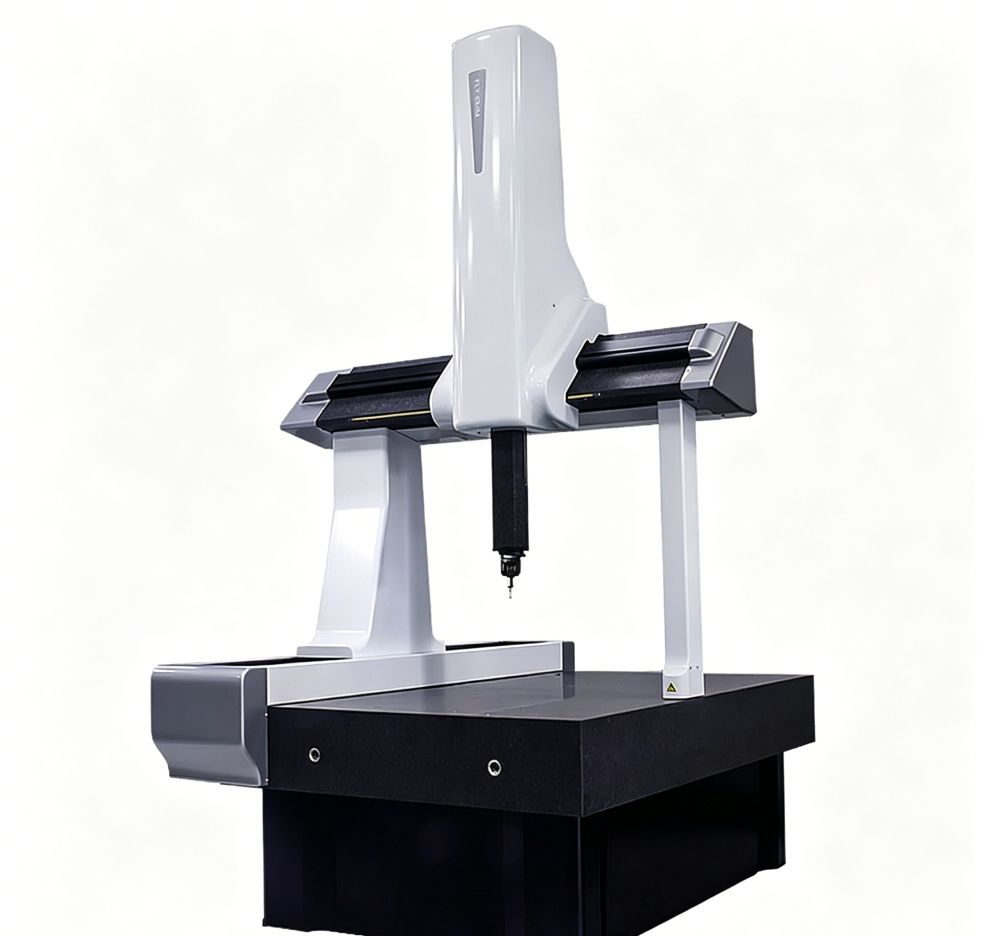
Inspection equipment reference table: Worktable for coordinate measuring machines and laser intes, providing an absolute flat reference to ensure the accuracy of nanoscale inspection data;
Wafer transfer modules: Granite-ceramic composite structure, anti-static and vibration-free, reddefect rates by 1.2 percentage points in 28nm processes.
III. Precision Laser Manufacturing: The “Guarantor of Accuracy” for Ultrafast Processing
From picosecond/femtosecond laser micromachining to high-power laser cutting, granite bases have become a standard core component of high-end laser equipment, supporting the demands for “high speed, high precision, and high consistency” in processing.
Ultrafast Laser (Picosecond/Femtosecond) System Bases: Maintain beam alignment stability to ensure micron-level drilling and engraving precision for medical devices and semiconductor wafers;
Laser Cutting/Welding Machine Frames: Suppress vibration during high-speed motion, ensuring smooth cut edges without burrs and repeat positioning accuracy of ±5μm, suitable for hard-to-machine materials such as ultra-thin glass and titanium alloys;
Laser Marking/Micro-sculpting Platforms: Thermal stability and vibration damping ensure 7×24 continuous production, improving marking consistency by 40%, suitable for micron-level marking of perovskite batteries and precision parts.
IV. Industrial Transformation: From “Building Stone” to the “Foundation of National Heavy Equipment”
The breakthrough in granite applications has driven the stone industry from “decorative building materials” to high-end precision components, becoming a critical link in the semiconductor and laser manufacturing supply chains:
Upgraded Processing Technology: Raw stone undergoes 5-axis linkage machining, 48-hour artificial aging, and nanoscale grinding to achieve precision within 1μm, complying with international standards such as German DIN876 and Chinese GB/T25994;
Rise of Industrial Clusters: Locations like Yueshi, Anhui, and Jinan, Shandong, are building precision granite component industrial parks with single-project investments exceeding 1 billion yuan, producing thousands of high-end equipment bases annually to serve global semiconductor and laser manufacturing enterprises;
Cost and Value Restructuring: Although initial investment is higher than metal, the full lifecycle requires no maintenance and maintains stable precision; calibration and repair costs saved within 3 years far exceed the initial investment, making it the “cost-effective choice” for high-end manufacturing.
V. Conclusion
On the extreme track of semiconductor nanofabrication and laser precision processing, granite leverages its natural material advantages to become a core force in breaking precision bottlenecks and ensuring manufacturing stability. From raw stone to nanoscale precision components, granite not only reshapes the precision standards of high-end manufacturing but also opens a new chapter for semiconductors and precision laser manufacturing, serving as the “rocky backbone” supporting national heavy equipment and driving industrial upgrading.