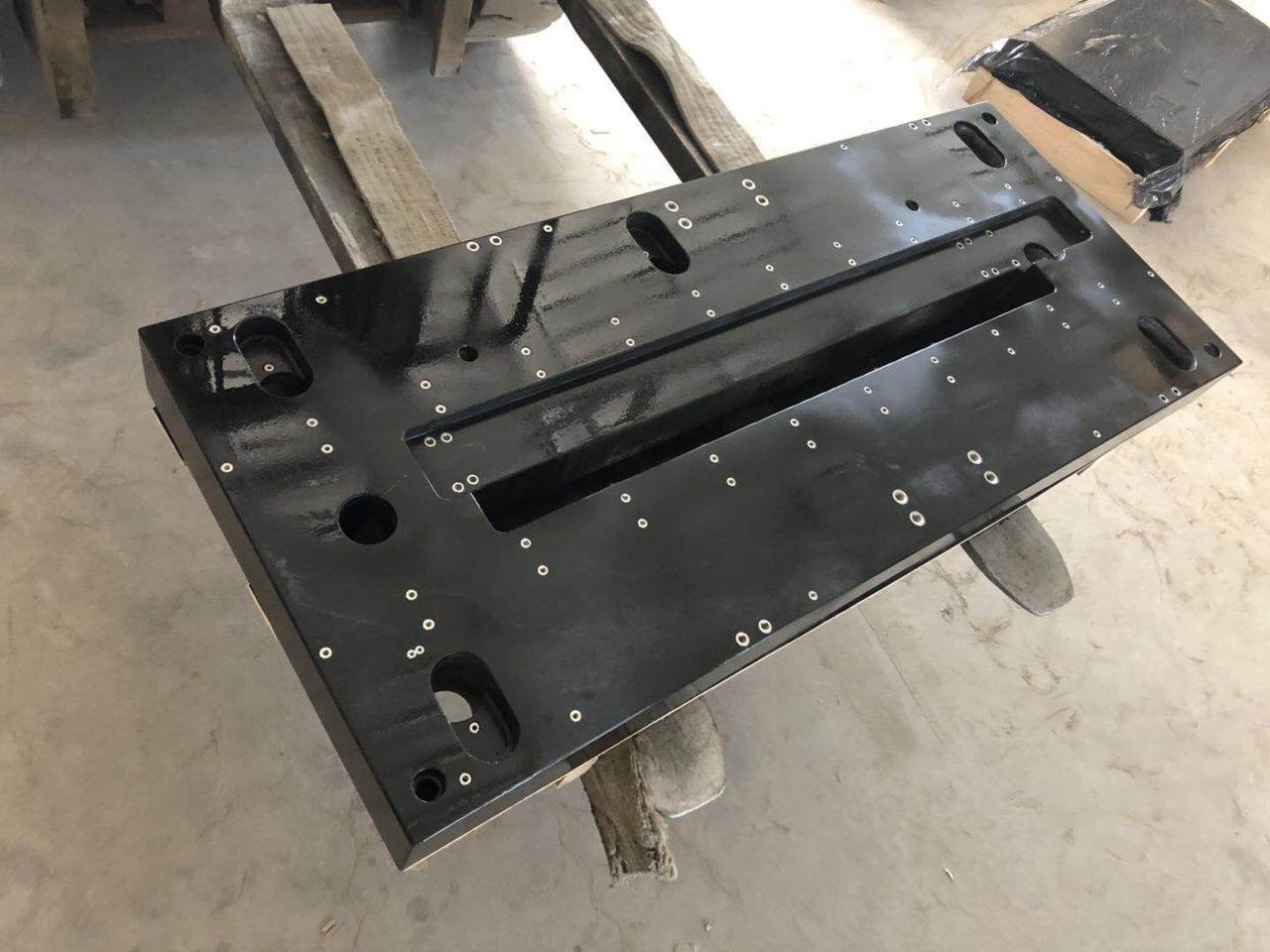
Characteristics of Artificial Granite
▲ Material Composition and Preparation
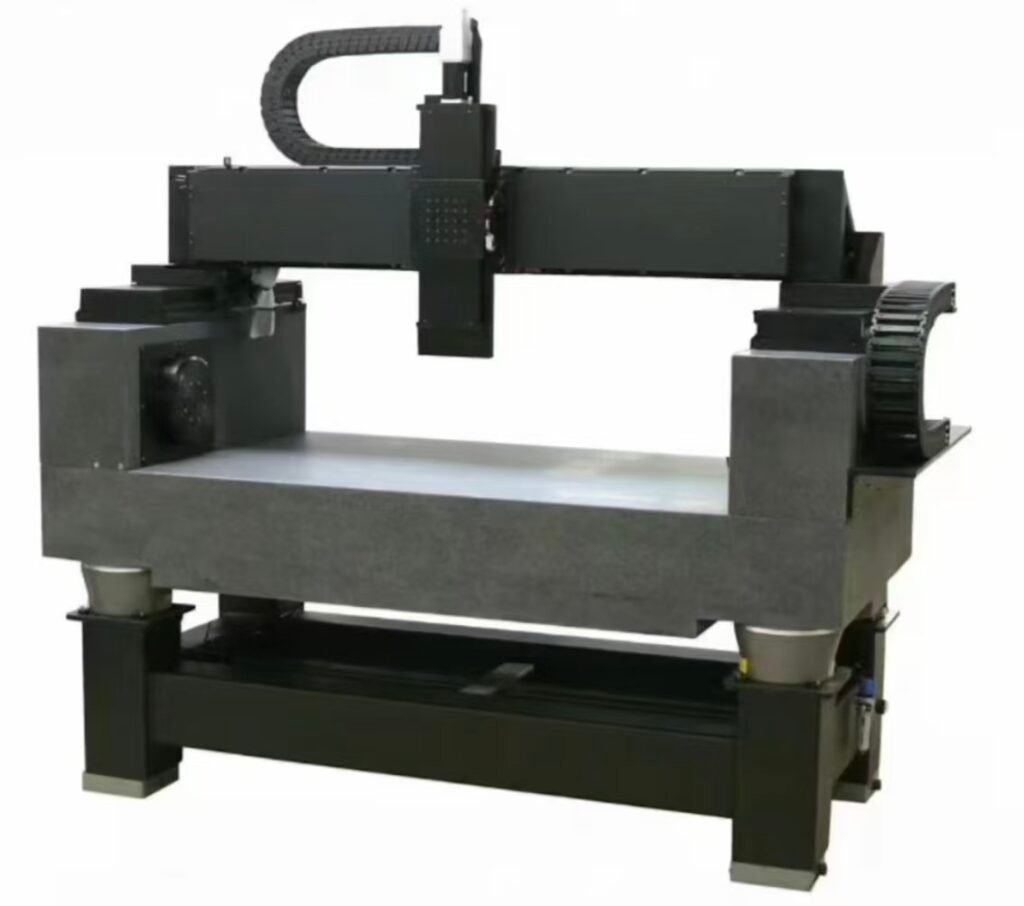
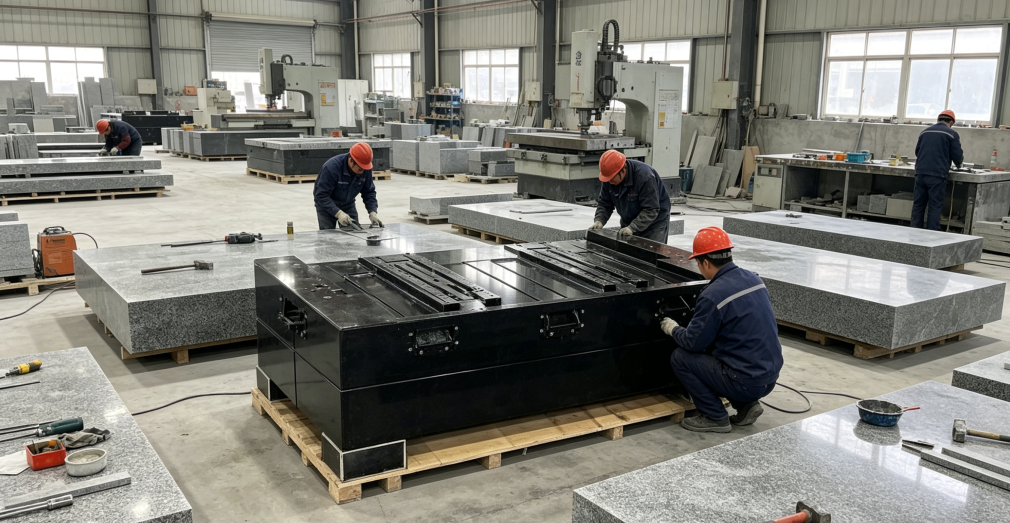
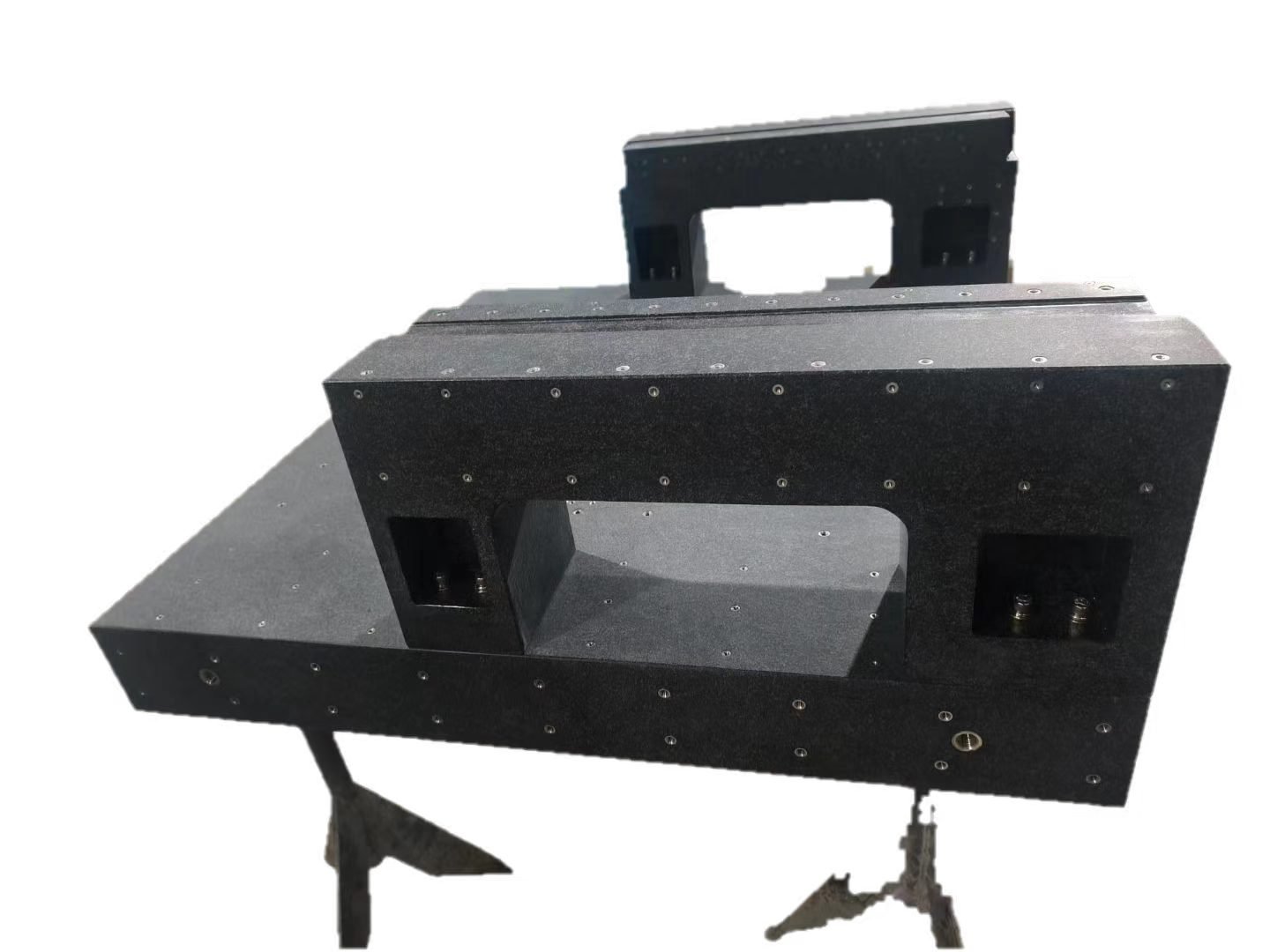
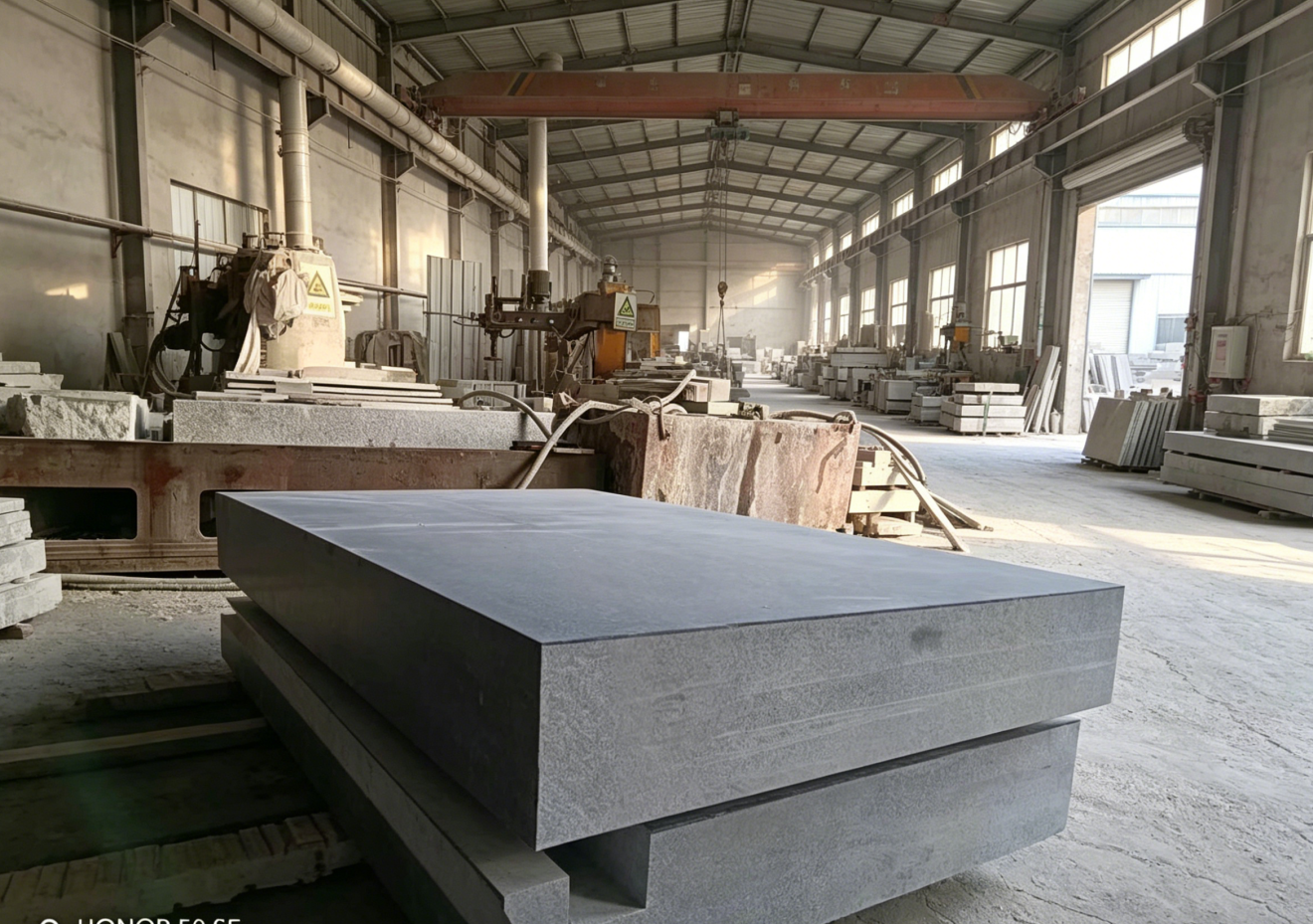
Artificial granite, also known as resin concrete or resin-based composite material, is primarily made from natural granite as aggregate, combined with epoxy resin as a binder, and supplemented with appropriate fillers and diluents. Through curing, these raw materials polymerize to form a new type of material. This material is currently highly regarded in the international machinery industry, as its performance is comparable to traditional cast iron. Therefore, it is often used to replace traditional cast iron in the manufacture of key components such as machine tool beds, bases, beams, and columns.
Artificial granite, also known as resin concrete or mineral casting, is an innovative composite material. Its key components include modified epoxy resin and a curing agent as binders, while granite and quartz sand particles serve as aggregates. Through scientific gradation and the addition of various additives, and a refined processing procedure, this high-performance material is ultimately synthesized.
▲ Physical Properties and Advantages
Compared to steel, artificial granite exhibits superior vibration damping properties, with a damping effect six times that of metals. It also possesses excellent corrosion resistance, a low coefficient of thermal expansion (only one-twentieth that of metals), and good electrical insulation. In its manufacturing process, artificial granite demonstrates design and manufacturing flexibility, short processing cycles, high demolding precision, and low-carbon environmental friendliness, enabling it to be perfectly integrated with any material.
Vibration damping capacity tests were conducted on 1.5-inch × 1.5-inch × 9-inch casting material samples at 70 degrees Fahrenheit. The results showed that resin concrete had a significant damping effect, with its vibration damping capacity being 45 times that of alumina, 10 times that of cast iron and steel, and 4 times that of granite.
▲ Application scenarios and history
Replacing cast iron, resin concrete is applied in the machine tool’s bed, base, beam, column etc., showing excellent shock absorption, reaching 10 times the level of cast iron. Meanwhile, its high precision characteristics make it possible to achieve straightness, flatness, parallelism within 3-5um/m. Due to the use of room temperature casting process, there is no need for tempering treatment and stress relief, so the stability excellent and it is not easy to deform. In addition, resin concrete also has the advantage of energy saving and environmental protection, with almost no pollution in the entire production process, and materials can be recycled. This scientific research achievement not only has the potential to reduce the use of metal materials in machine tools by 80%, but is also likely to trigger changes in the machine tool industry, thereby reducing environmental problems caused by metal smelting. As early as 1917, Schleicher in Germany proposed the idea manufacturing the bed of a lathe with reinforced concrete. Subsequently, in the 1940s, the German Beringer Company began mass-producing practical concretehes in order to save steel. Its cast iron spindle box, tailstock and other components are connected to the concrete base through bolts.