Complete Guide to Granite Applications, Selection, and Maintenance
I. Main Application Scenarios of Granite (Matched by Performance)
- Home Interior Scenarios
1) Kitchen Countertops
Suitable: Fine-grained Class A granite such as Sesame White, Sesame Gray, and Black Gold Sand
Advantages: Scratch-resistant to knives, resistant to soy sauce/vinegar/acid-base penetration, heat-resistant to hot pots
Pitfalls to Avoid: Coarse-grained materials with rough textures and large pores easily absorb oil stains; not recommended for stovetops
2) Windowsills, Thresholds, and Stair Treads
Wear-resistant and impact-resistant, waterproof and moisture-proof, does not whiten or wear out from long-term foot traffic
3) Floors and Feature Walls
Avoid large areas of dark granite in small apartments (oppressive); light gray and light white are versatile - Outdoor Engineering Scenarios
Sidewalks, plaza paving, residential landscaping, exterior wall dry-hanging, tombstones, pools
Advantages: Frost-resistant, acid rain-resistant, non-fading under sun exposure, resistant to vehicle crushing
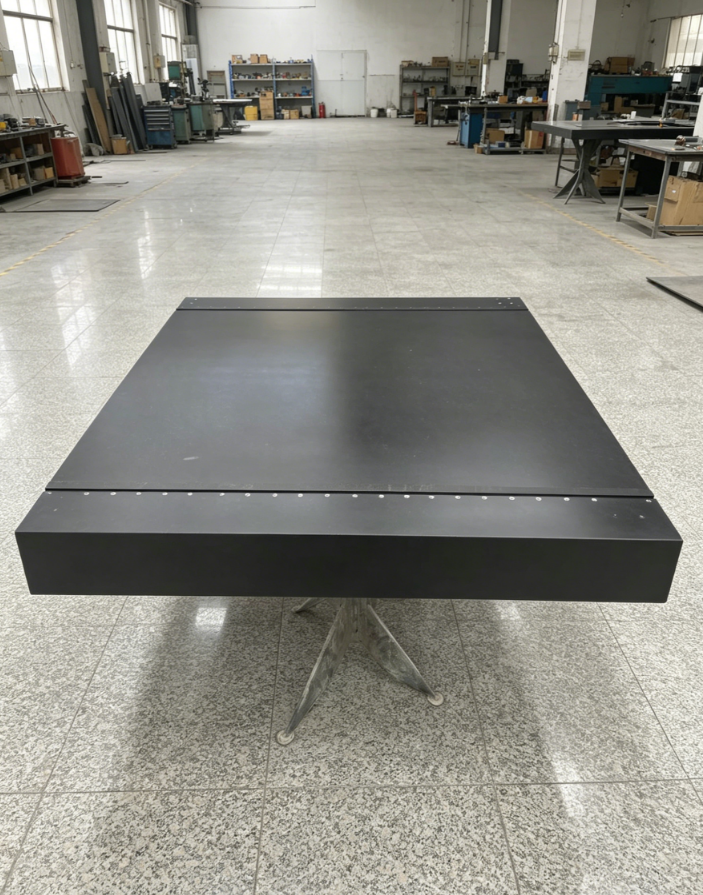
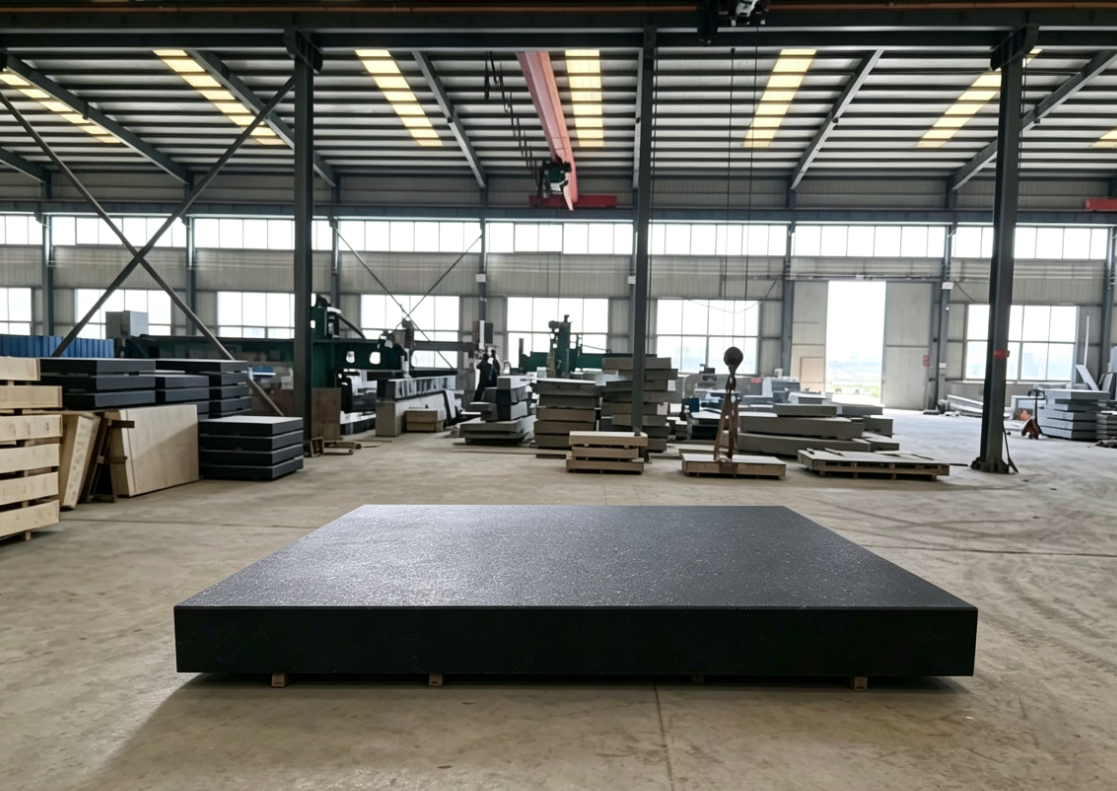
Common Finishes: Flamed or leathered surfaces for slip resistance; polished surfaces are used only indoors - Precision Industrial Scenarios (Measuring Platforms / CMM Bases)
Specialized Class 00 and Class 000 fine-grained granite
Core Requirements: Low expansion, vibration damping, non-magnetic, stress stability, high flatness - Garden Water Features
Rockeries, stone tables and benches, fountain pools; waterproof and weather-resistant, does not powderize even when submerged year-round
II. Complete Selection Standards for Granite (Separated by Home vs. Industrial)
(I) 5 Core Points for Home and Civil Selection - Radioactivity Classification (Top Priority)
National Stone Classification Standards:
Class A: Universal for all indoor/outdoor walls, countertops, and floors; the first choice for homes
Class B: For exterior walls only; strictly prohibited for indoor stovetops and bedroom floors
Class C: Only for outdoor roads and embankments; prohibited indoors
When purchasing, always check the stone’s radioactivity test report provided by the merchant; prioritize requesting reports for red and dark stones. - Grain Size Selection
Fine-grained granite (small, uniform crystals): Dense, extremely low water absorption, oil-resistant; suitable for stovetops, countertops, and high-precision platforms; higher premium
Medium-to-coarse grain: Slightly larger pores; suitable for outdoor floors and exterior walls; not recommended for kitchen countertops - Visual Quality Inspection
1) Surface: No obvious through-cracks, black scars, rust spots, or yellow lines (iron oxide causes yellowing)
2) Crystals: Uniform crystal distribution, no large mica clusters (excessive mica easily weathers and sheds black spots)
3) Water Drop Test: Drop clean water on the back of the stone; if the droplet does not spread or penetrate quickly = dense high-quality material; rapid spreading indicates large pores and easy staining
4) Thickness:
Countertop standard thickness: 20mm; Stair treads: ≥30mm; Outdoor paving: ≥50mm - Color and Style Pitfalls
Recommended for low-maintenance homes: Sesame White, Sesame Gray, Light Gray Linen; stains are inconspicuous and radioactivity is generally low
Use with caution: Bright red, pure Black Gold Sand, dark green/heavy colors; some varieties have higher radioactivity, and oil/water stains are highly visible - Processing and Craftsmanship Selection
Countertops must have: Water-retaining edges, bottom reinforcement, and rounded corners (to prevent chipping)
Outdoor stones should have flamed/leathered slip-resistant surfaces; polished surfaces are slippery when wet and prohibited for balconies and stairs
(II) Special Selection Standards for Industrial Granite Platforms
1) Grade: Class 00 / Class 000, micron-level flatness tolerance
2) Material: High-quality fine-grained black granite such as Jinan Green; extremely low thermal expansion coefficient
3) Requirements: No internal stress, no air pores, non-magnetic, strong vibration damping
4) Factory-provided certificates for flatness and expansion coefficient testing
III. Key Points for Granite Installation (Determining Service Life)
Six-sided protection (front, back four sides) must be applied before countertop installation; only protecting the front will inevitably lead to oil seepage later.
Cement application: Use low-alkali cement for outdoor and floor applications; alkali will cause efflorescence (whitening) on the stone, which can be mitigated by using a stone protector.
Expansion joints: Leave a 3-5mm gap every 1.5 meters outdoors to prevent cracking caused by thermal expansion and contraction.
Sink and stove joints: Use specialized anti-mold epoxy for stone; do not use ordinary silicone sealant (which turns black, molds, and leaks water).
Industrial platforms: Must be placed in a constant-temperature workshop for 2-3 days to release stress before calibrating precision.
IV. Daily Maintenance Guide for Granite by Scenario
(I) Kitchen Countertop Maintenance (Highest Frequency)
Daily Cleaning
Common stains: Warm water neutral dish soap, wipe with a soft cloth, and dry with clean water.
Stubborn oil stains: Use specialized stone degreaser; do not scrub hard with steel wool (it will scratch the polished surface).
Staining (soy sauce, coffee, iodine): Apply stone color remover paste and let it sit to absorb; do not soak in 84 disinfectant or toilet cleaner (strong acids/alkalis) for long periods.
Запрещенные действия
Do not place scalding hot pots directly on the surface (fine in the short term, but long-term high temperatures will accelerate the failure of the protective layer).
Do not let toilet cleaner, oxalic acid, or bleach sit for long periods; they will corrode the surface protective film.
Do not leave sliced lemons or vinegar for long periods; acidic substances will penetrate and leave marks.
Regular Maintenance
Re-apply oil-based stone protector every 1-2 years to seal micro-pores and prevent staining.
(II) Indoor Floor and Windowsill Maintenance
Daily mopping with clean water is sufficient; use strong alkaline floor cleaners sparingly.
Use pads under metal furniture legs to prevent rust from dripping and forming yellow rust stains.
Use stone rust remover paste for rust stains; do not rinse directly with hydrochloric acid.
(III) Outdoor Granite Maintenance (Flamed / Leather Finish)
Rinse moss and dust with a high-pressure water gun once a year, and clear weeds from joints.
In humid areas, apply waterproof protection every 2 years to prevent efflorescence and whitening from rainwater.
Do not use industrial snow-melting salt on snow accumulation; salt will corrode stone pores and accelerate weathering.
(IV) Industrial Measurement Platform Maintenance
Clean only with anhydrous ethanol and specialized lint-free cloths; do not allow water residue.
Avoid heavy impacts or hard object scratches on the surface; do not allow chemicals to drip.
Store in a constant-temperature environment; avoid direct sunlight to prevent dimensional deviations.
V. Common Problem Repair & Pitfall Summary
- Oil Seepage and Yellowing
Cause: Poor protection, large pores in coarse-grained stone.
Solution: Absorb with degreaser paste, then re-apply overall protection. - Surface Whitening and Efflorescence
Common outdoors due to cement alkali leaching; apply waterproof protection after cleaning, and replace joints with specialized grout. - Chipping and Fine Cracks
Use same-color stone epoxy to repair minor cracks; replacement is recommended for large-scale fractures.
Buying Pitfall Checklist
Merchants verbally claim “radiation-free” without providing test reports → Do not buy.
Stove countertops using only 15mm thin slabs, without reinforcement or splashbacks → Do not choose.
Using low-priced coarse-grained granite for kitchen countertops, which easily seeps soy sauce and oil.
Using polished stone for stairs and balconies, which poses a safety hazard when wet and slippery.