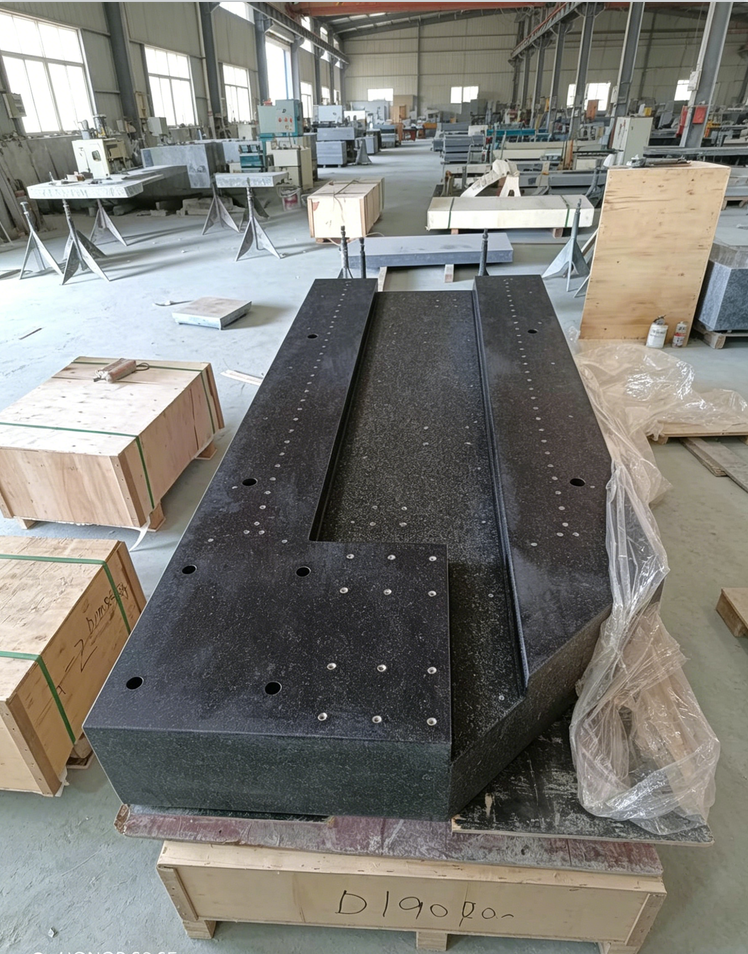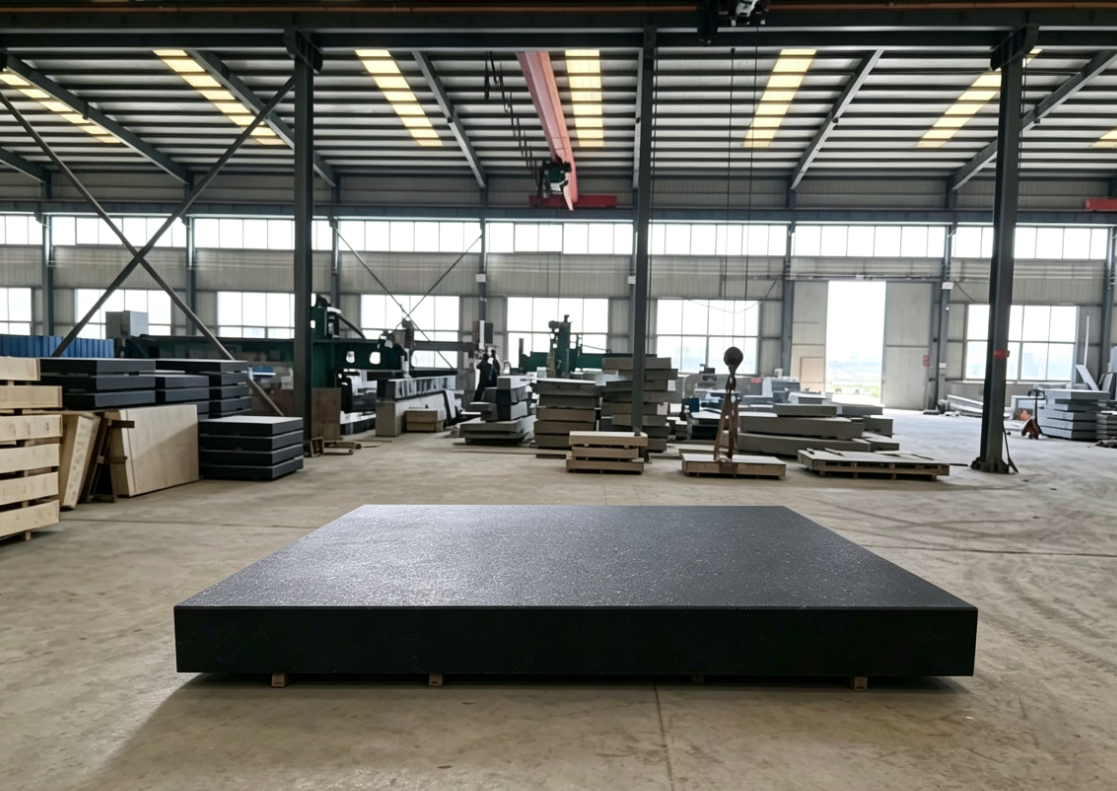
Гранитная измерительная плита или чугунная измерительная плита: что лучше подходит для высокоточных измерений в лаборатории?
Прямой вывод: Для проведения точных лабораторных измерений следует уделять первоочередное внимание Гранитная плоская плита, поскольку по точности и стабильности она значительно превосходит чугунную плоскость.
I. Основные сравнительные показатели (факторы, влияющие на точность измерений)
- Термическая деформация (наиболее важный фактор для лабораторий)
- Гранит: Чрезвычайно низкий коэффициент теплового расширения; при незначительных колебаниях температуры он практически не изменяется, что приводит к минимальному тепловому дрейфу.
- Чугун: Высокий коэффициент теплового расширения; при изменении комнатной температуры материал подвергается незначительному расширению/сжатию, что приводит к значительному дрейфу точности в зависимости от температуры.
- 👉 Даже незначительные колебания постоянной температуры в лабораторных условиях негативно сказываются на чугуне; гранит же демонстрирует большую стабильность.
- Долгосрочная стабильность размеров
- Гранит: Натуральный камень, состарившийся под воздействием природных факторов на протяжении миллионов лет; не имеет внутренних напряжений, не подвержен ползучести и обладает устойчивостью к постоянным деформациям.
- Чугун: Содержит внутренние напряжения, образовавшиеся при литье; со временем в материале происходит медленное снятие напряжений и постепенное искривление, что приводит к снижению точности через несколько лет эксплуатации.
- Гашение вибраций и ударопрочность
- Гранит: Высокий коэффициент демпфирования благодаря кристаллической структуре; высокая амортизация ударов и подавление вибраций; внешние вибрации не влияют на показания измерительных приборов.
- Чугун: Твёрдый, но жёсткий; сильная передача вибраций; даже незначительные вибрации могут помешать точному измерению и вызвать скачки стрелки индикатора.
- Точность поверхности и износостойкость
- Гранит: Чрезвычайно высокая твёрдость и износостойкость; возможность шлифования до сверхвысокой плоскостности и высокой чистоты поверхности; устойчивость к царапинам и заусенцам.
- Чугун: Средняя твёрдость; подвержена появлению вмятин и износу; при длительном использовании эталонная поверхность быстро теряет точность.
- Ржавчина и техническое обслуживание
- Гранит: Не подвержен ржавчине, немагнитен, устойчив к воздействию масла и смазочно-охлаждающих жидкостей; не требует профилактических мер по защите от ржавчины.
- Чугун: Очень подвержен ржавчине; требует регулярного нанесения антикоррозионного масла или краски; ржавые пятна непосредственно ухудшают точность плоскостности.
- Структурная однородность
- Гранит: Плотный и однородный материал, без пор и песчаных пустот; хорошая однородность по всей опорной поверхности пластины.
- Чугун: Характеризуется появлением пор, усадочной пористостью и неоднородностью материала; точность в разных местах может варьироваться.
II. В каких случаях можно использовать чугунную плоскость?
Подходит только для:
Обычная планировка цеха, сборка инструментов, предварительный осмотр и операции по сильному постукиванию.
Не подходит для:
Лаборатории, метрологические помещения, координатно-измерительные машины и калибровка прецизионных приборов.