A precision laser cutting system is a high-end manufacturing equipment integrating laser optics, precision mechanics, secontrol, and computer technology. Its core involves melting/vaporizing materials using a high-energy-density laser beam and relies on a high-precision motion platform to achieve micron-level positioning and high-speey processing.
I. Precision Laser Cutting System (Core Components)
- Laser Generation System (Energy Source)
Fiber Laser (Mainstream): Wavelngth 1.06–1.08μm, high electro-optical conversion efficiency (>30%), good beam quality (M²<1.1), and simple maintenance. Suitable for precision cutti metals such as stainless steel, aluminum, copper, and carbon steel.
CO₂ Laser: Wavelength 10.6μm, suitable for cutting non-metls (acrylic, wood, fabric, PCB) and thin metals.
Ultrafast Laser (Pico/Femtosecond): Ultra-short pulses, cold processing, and extremely small heat-acted zone (<1μm). Used for micro/nano precision cutting of semiconductors, ceramics, glass, and sapphire. - Optical Transmission and Focusing System
Beam ransmission: Fiber (flexible, low loss) or mirror array (for CO₂).
Focusing Unit: F-theta field lens (planar scanning) or dynamic focusingup, focusing the spot to 10–50μm.
Cutting Head: Includes focusing, capacitive/laser height sensing (real-time focus adjustment), and auxiliarygas lines (O₂ for combustion, N₂ for oxidation prevention, Ar for protection).
Galvanometer System: High-speed scanning (up to 10m/s), used for sformat, high-speed precision processing. - Control System (The Brain)
Multi-axis CNC/Motion Controller (EtherCAT Bus): Trajectory interpolation, velocity look-ahead, error compensation.
Vis Positioning (CCD): Accuracy ±1–5μm, automatic edge detection, Mark point compensation, and thermal expansion compensation.
Process Database: Automatically matches power, frequ, speed, and gas pressure parameters. - Auxiliary Systems
Water cooling/temperature control, dust removal, voltage stabilization, safety interlocks, gas monitoring.
II. Precision Motion Platfore Actuation Mechanism)
- Main Structural Types
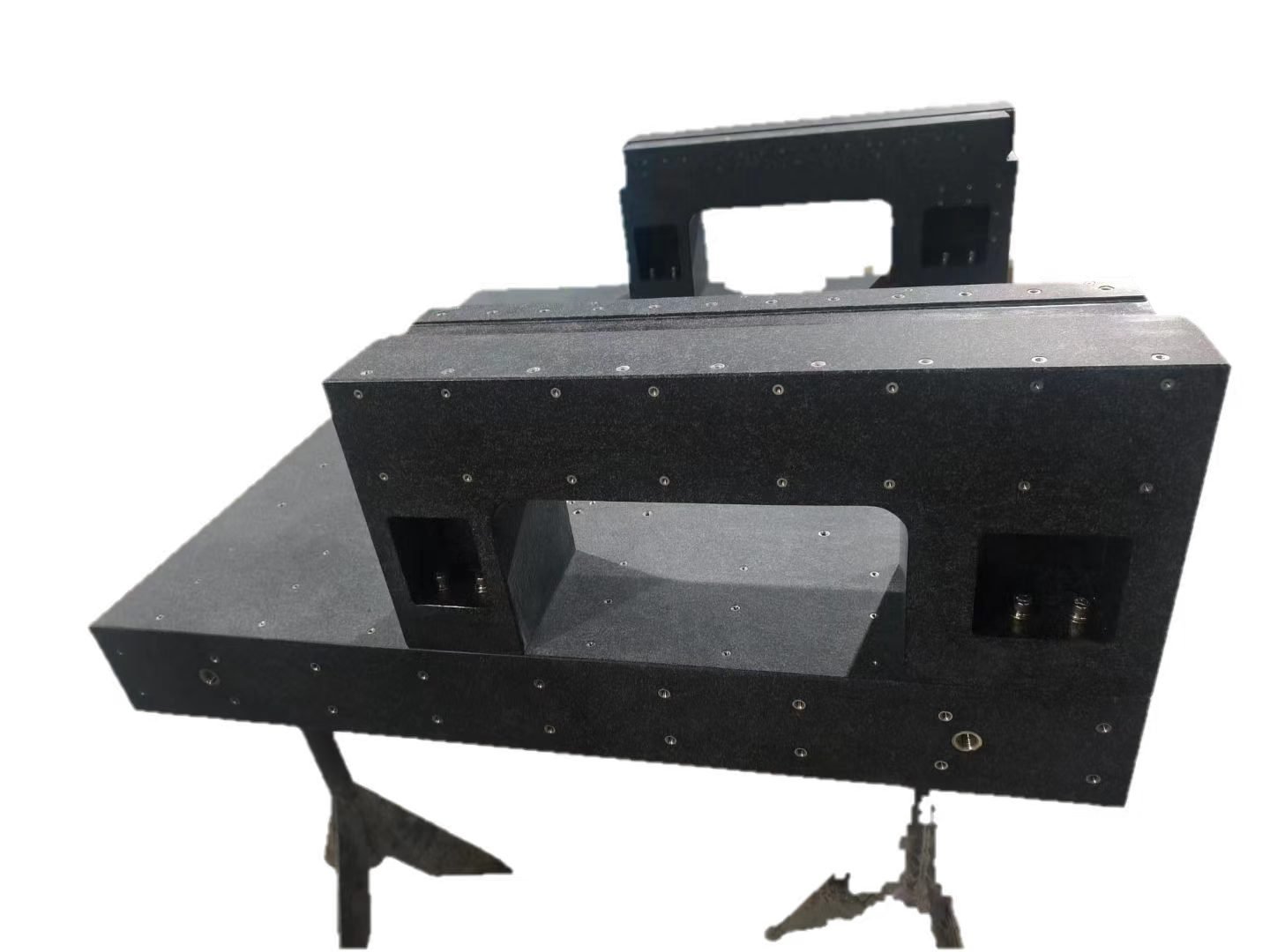
Gantry Type (Most Common)
Dual-drive symmetric, high rigidity, and good stability.
Suitable for: Lare format (1.5×3m–6×2.5m), high power, heavy load.
Cross Table (XY Table)
Compact structure, high closed-loop precision.
Se for: Small-format precision parts (300×300–600×600mm).
Cantilever Type
Single-side support, small footprint, mic response.
Suitable for: Medium and small format, high-speed light load.
5-Axis Linkage Platform
Includes A/C rotary axes, enabling 3D curved sevel cutting.
Suitable for: Aerospace blades, automotive pipes, and irregular parts. - Core Drive and Guidance
Drive Methods
Linear Motor (Preferred for precision): Contaero backlash, acceleration 1–2g, speed 0.5–1m/s, repeatability ±1μm.
Servo Ball Screw: Medium to lw precision, low cost, repeatability ±3–5μm.
Guides and Bearings
Linear Guide (Roller/Needle): High rigidity, preloading to elimine backlash.
Air Bearing: Friction≈0, extremely low vibration, ultra-precision scenarios.
Материал основания
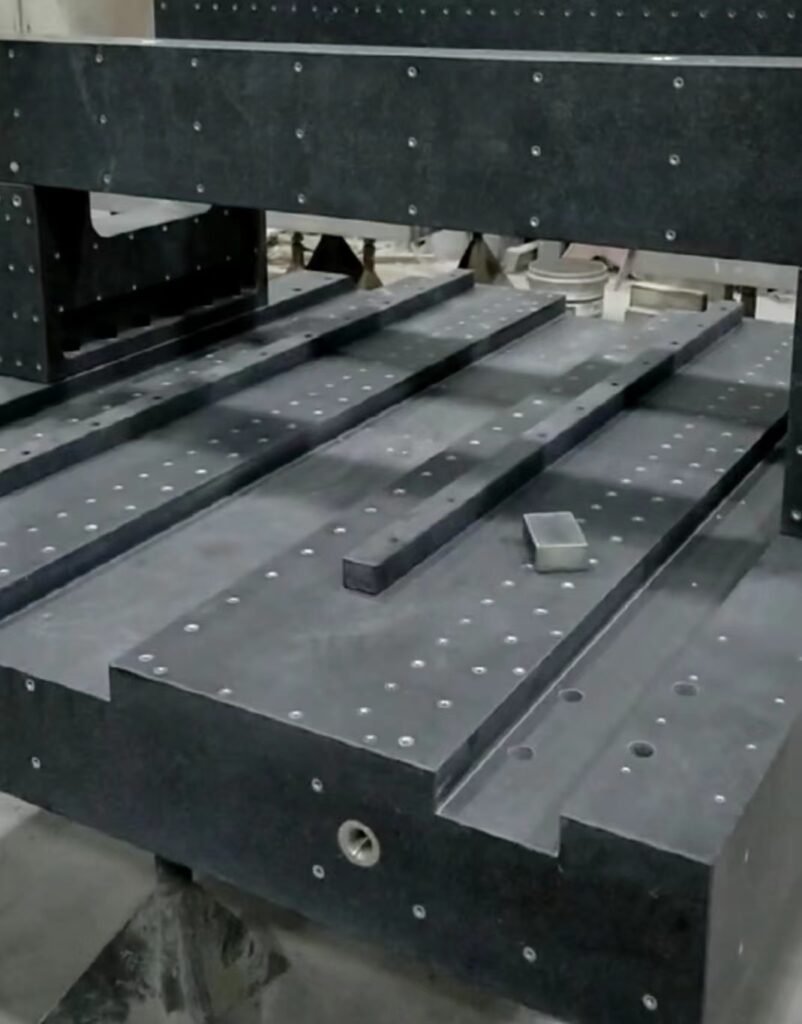
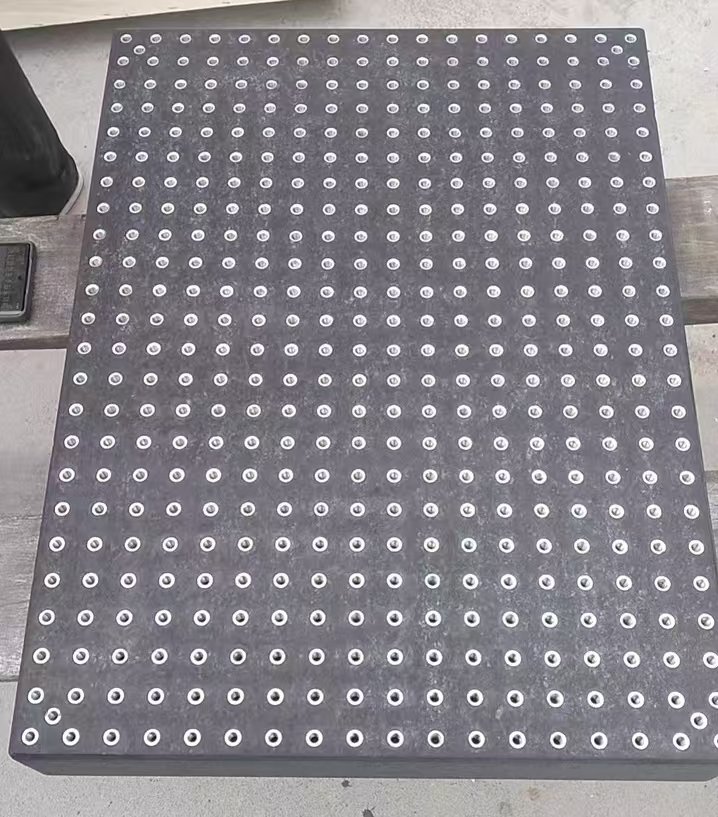
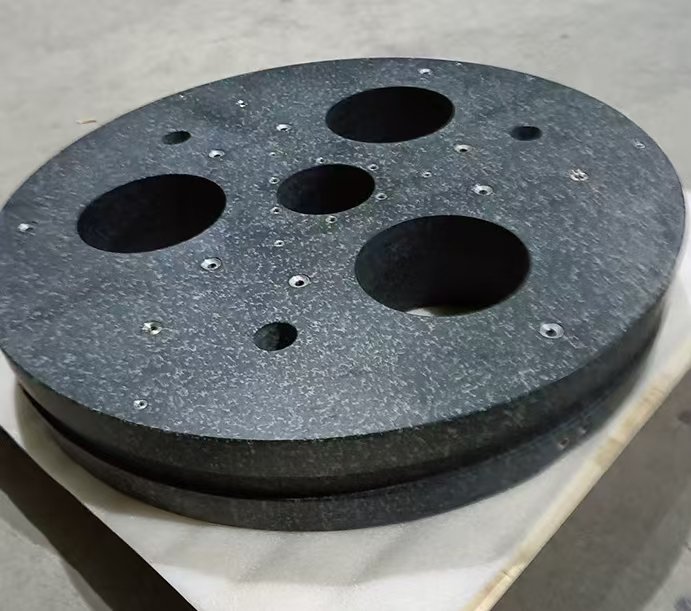
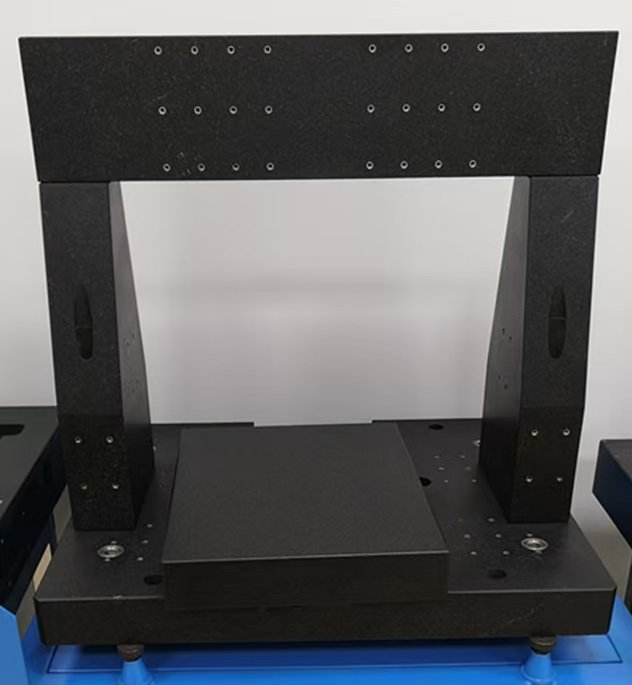
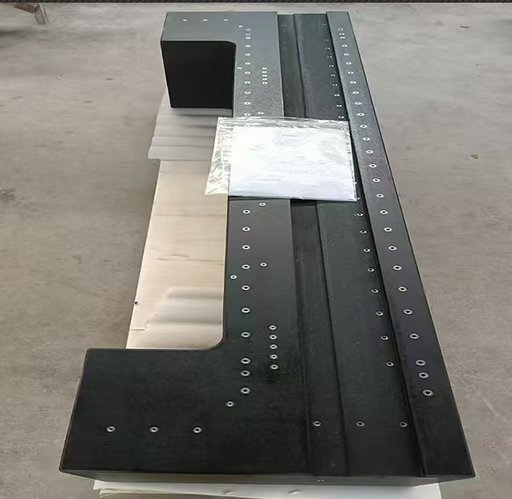
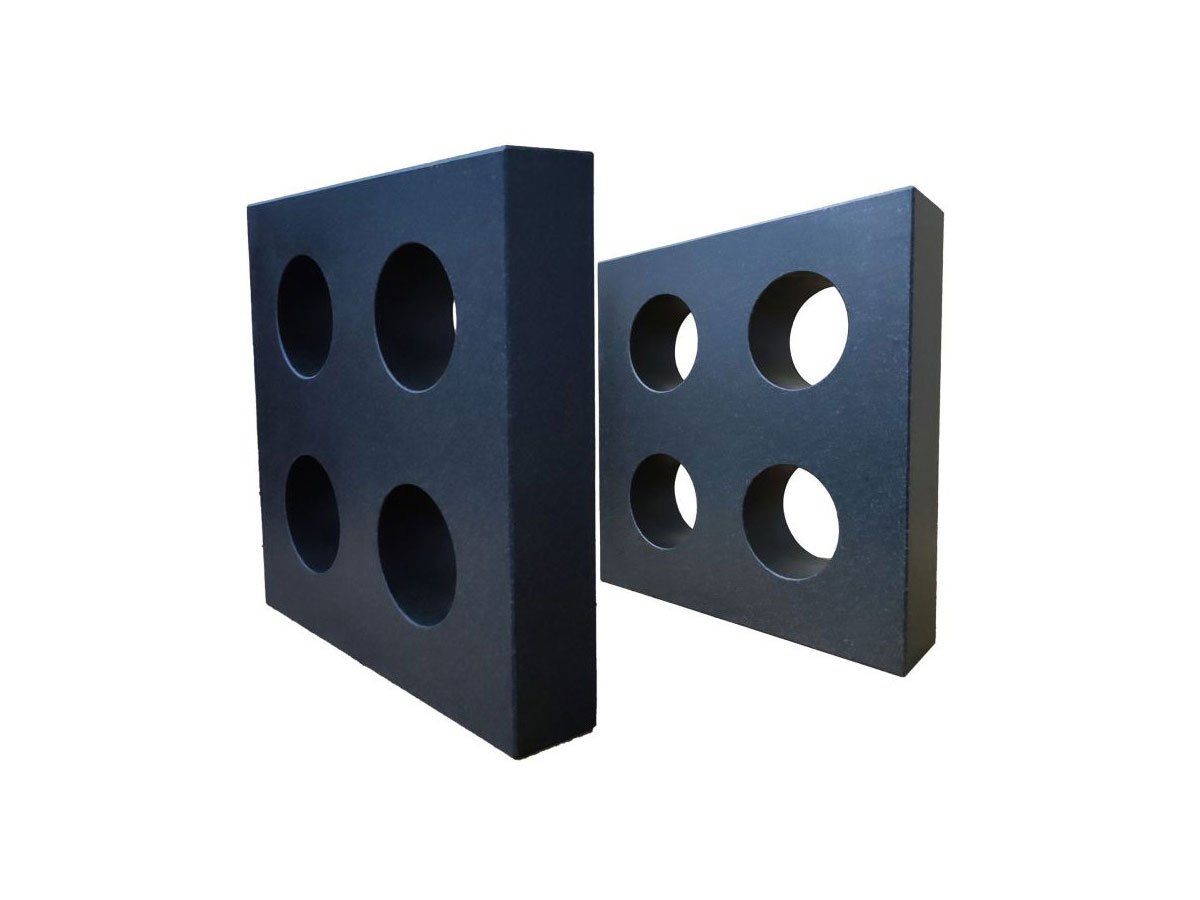
Natural Granite (Preferred): Low thermal expansion coefficiet (<0.8ppm/℃), high damping, and good long-term stability.
High-rigidity Cast Iron/Steel Structure: Economical, heavy load. - Key Technical Specifications (Precision Gra
Positioning Accuracy: ±1–5μm
Repeatability: ±0.5–2μm
Rapid Traverse Spe: 500–1000mm/s
Acceleration: 0.5–2g - Flatness / Straightness: ±1–3μm/m
- Vibraton: <0.1g (RMS)
III. Typical Applications and Selection Guidelines
3C Electronics: Mobile phone midframes, FPC, PCB, camera rings (±5μm).
Precisiare: Springs, connectors, watch parts, ophthalmic instruments.
Semiconductors: Wafer dicing, ceramic substrates, lead frames.
Aerospace: Thin-walle structures, honeycombs, titanium alloys, composite materials.
Selection Core:
Precision: Positioning / Repeatability, thermal stability, vibration
Speed / Acceleration: Affectficiency and corner quality
Working Area: Matched to workpiece size
Laser: Material compatibility (metal / non-metal / brittle)
Stability: Machine frame, drive system,ture control, long-term precision retention