
NOUVELLES
Specific application scenarios of granite countertops (commonly referred to as marble countertops in the industry) in the full process of chip manufacturingNote: The “marble countertops”
Specific application scenarios of granite countertops (commonly referred to as marble countertops in the industry) in the full process of chip manufacturingNote: The “marble countertops”
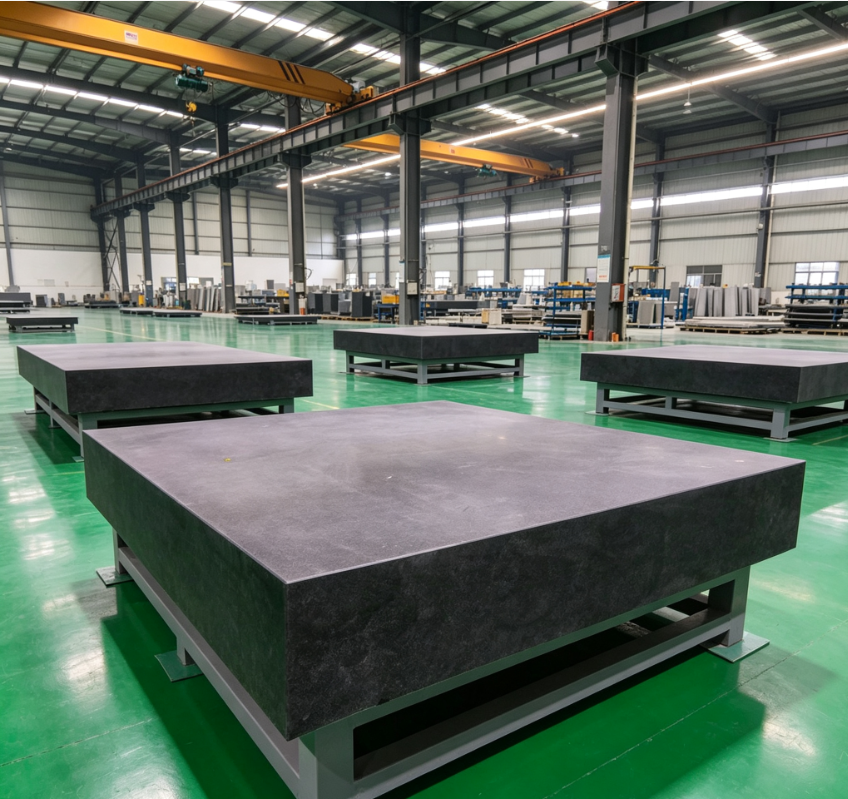
The Outstanding Application of Granite (Precision Marble Tabletop) in Chip Manufacturing I. Distinction First: The semiconductor industry does not use ordinary marble, but black precision
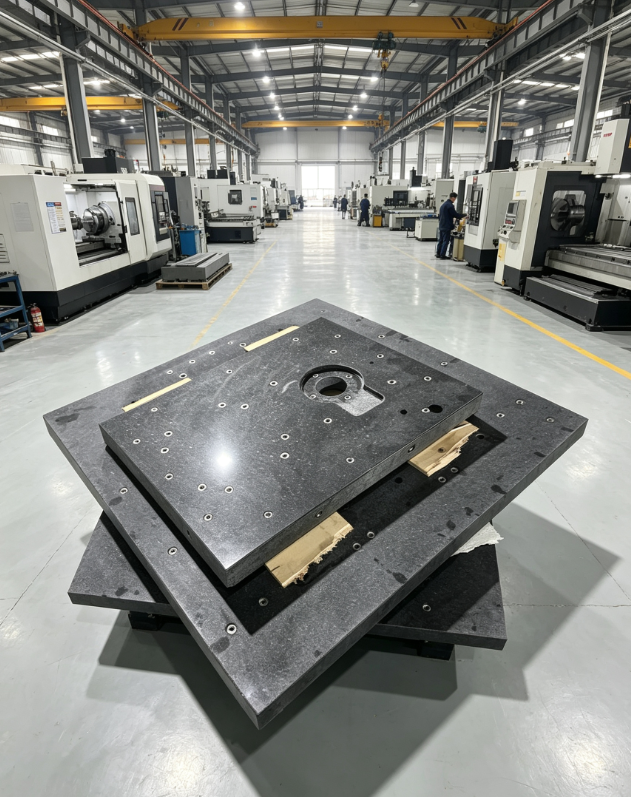
Complete Applications of Granite Precision Bases in the Semiconductor IndustryI. Core Material Advantages of Granite Bases in Semiconductor ManufacturingSemiconductor manufacturing processes reach nanometer-level precision, requiring
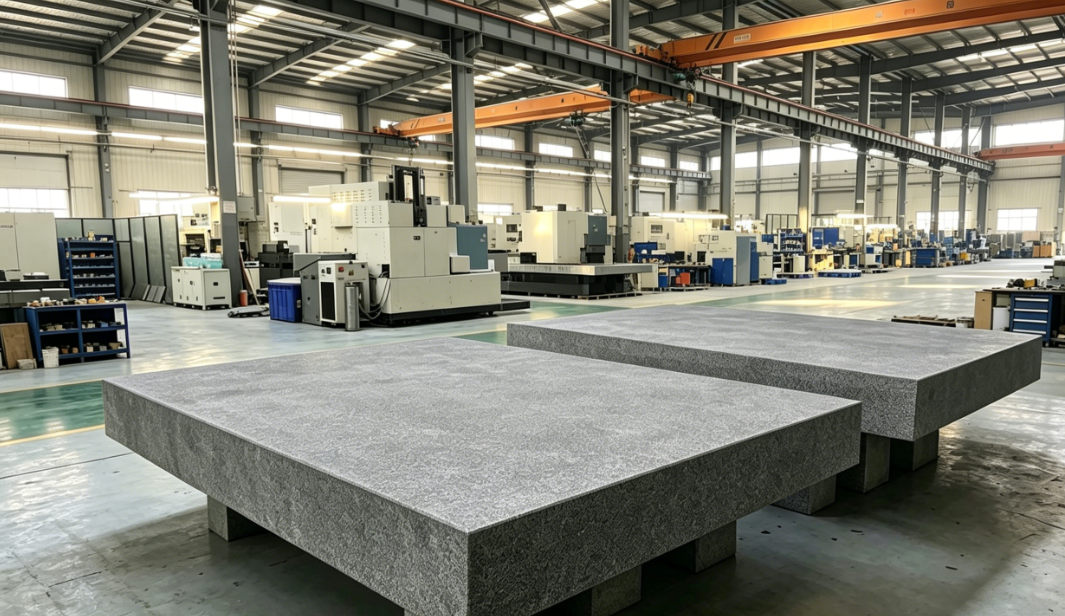
Specific Manifestations of Granite Platform Wear Resistance I. Inherent Wear Resistance of the MaterialHigh Mohs HardnessHigh-quality precision granite (Jinan Green / Zhangqiu Black) has a
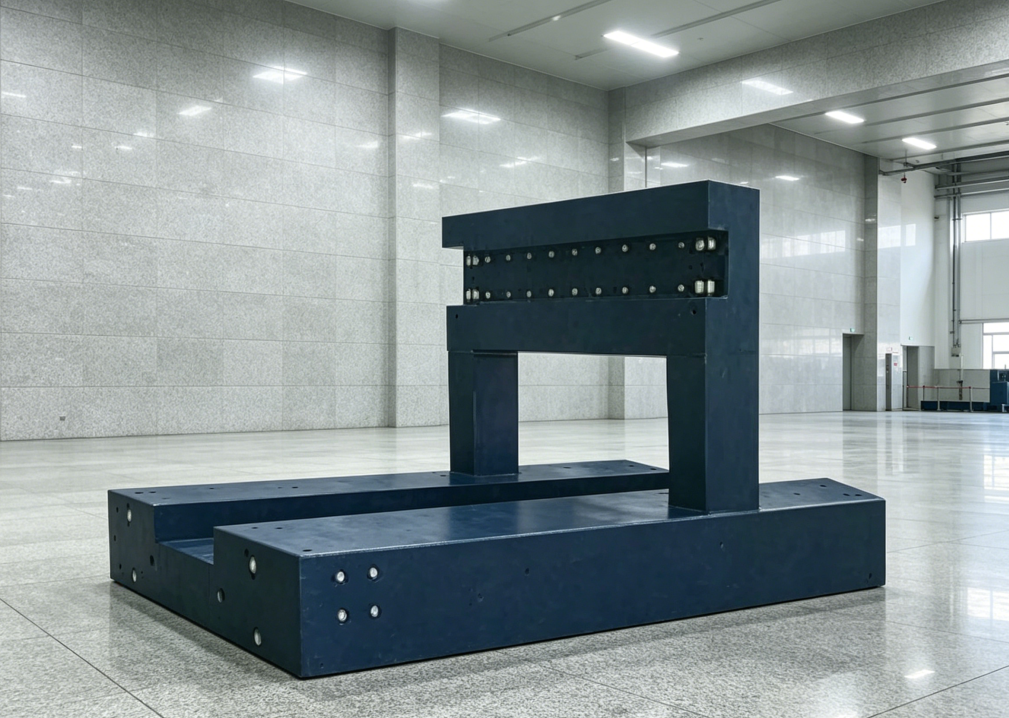
Core key advantages of granite as a CMM platform base: I. Excellent thermal stability, suppressing dimensional drift caused by temperature changesThe linear thermal expansion coefficient
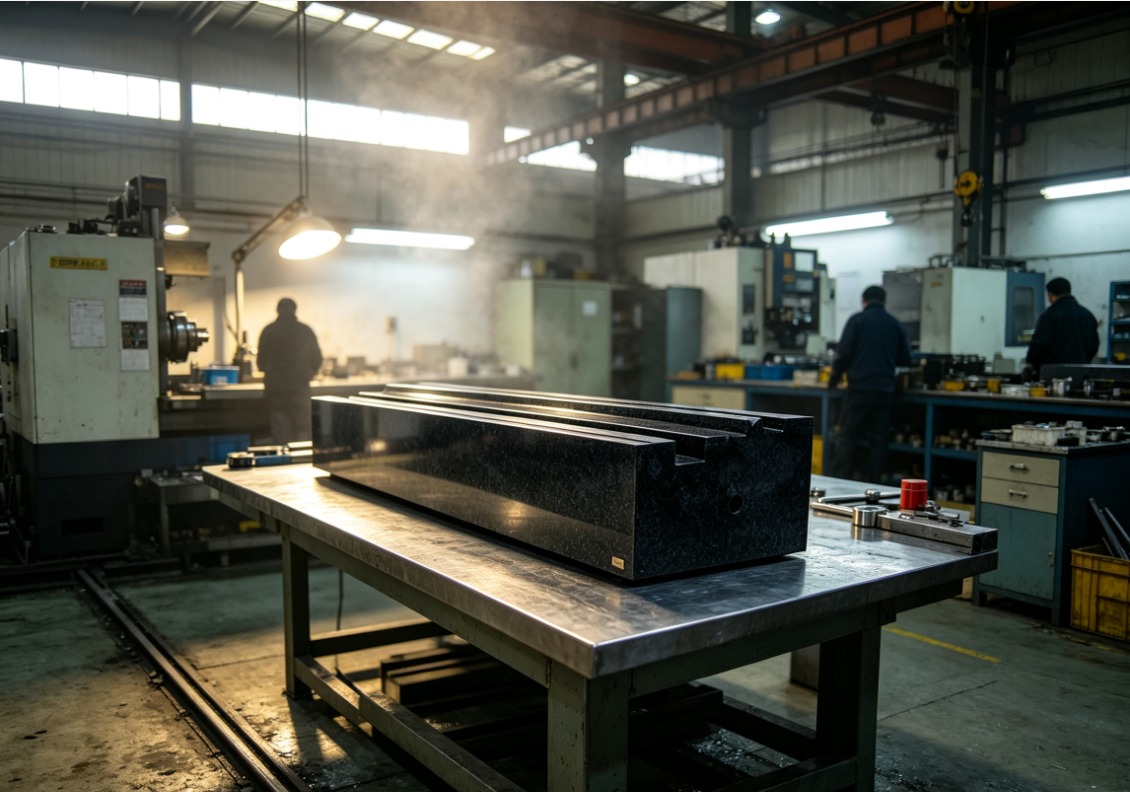
Full Calibration Standards for Flatness and Parallelism of Granite (Stone) Surface Plates I. Core Execution Standards (Currently Effective in China) II. Flatness Standards (Core Tolerances
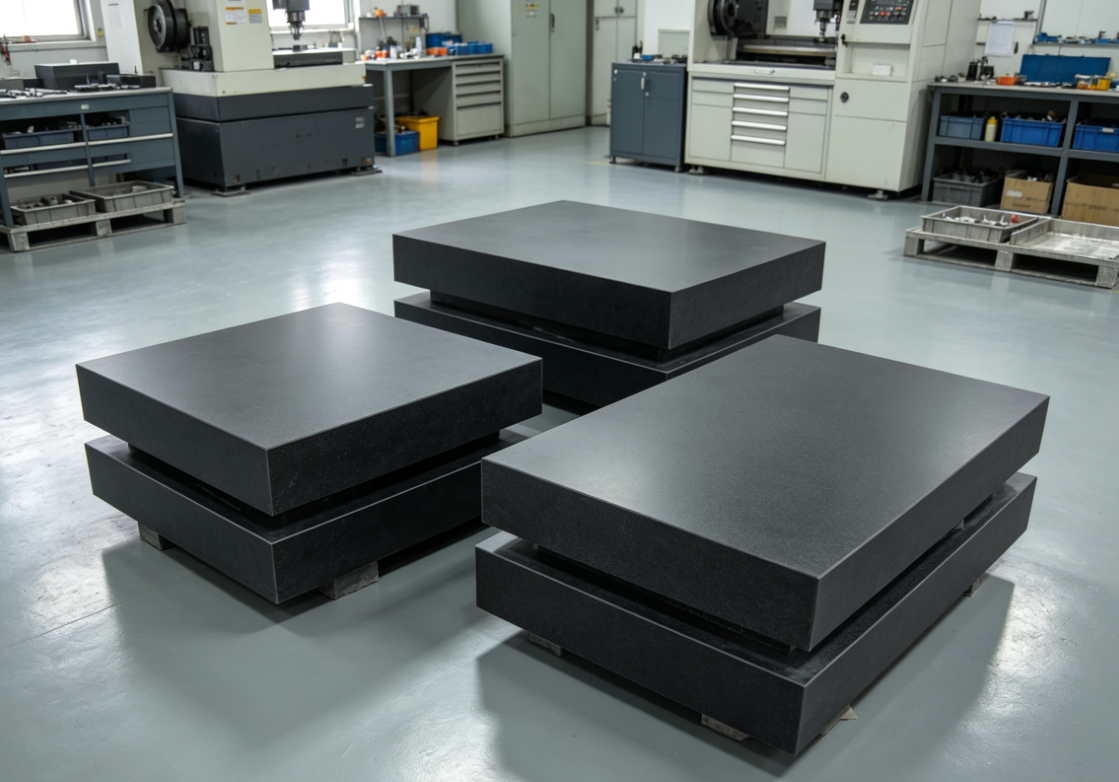
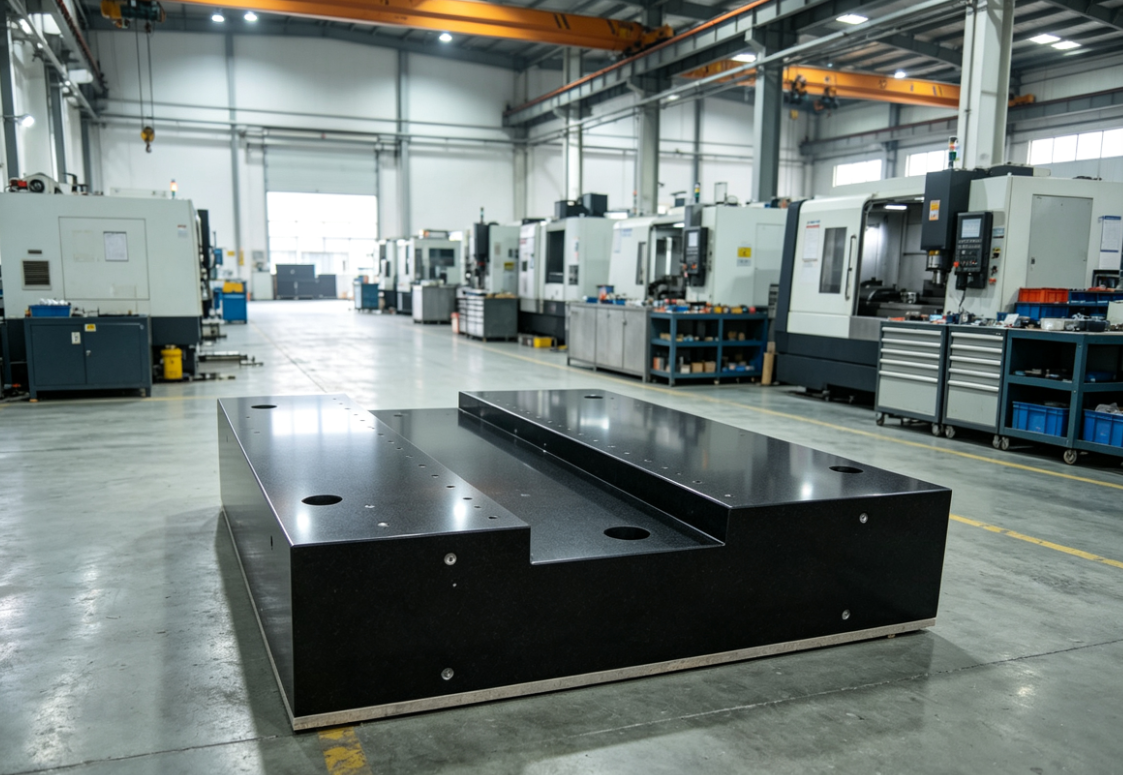
High-precision marble platforms empower precision inspection and mold machining I. Core material advantages of marble (granite) platforms, suitable for precision mold and inspection scenariosIn the

Precise Measurement and Quality Control of Precision Granite PlatesPrecision granite (granite stone) plates serve as the reference plane for metrology, CMM, optical inspection, and precision

Why granite machine beds are preferred for improving machine tool precision and performance (compared to cast iron / steel beds)To achieve high precision and stability,
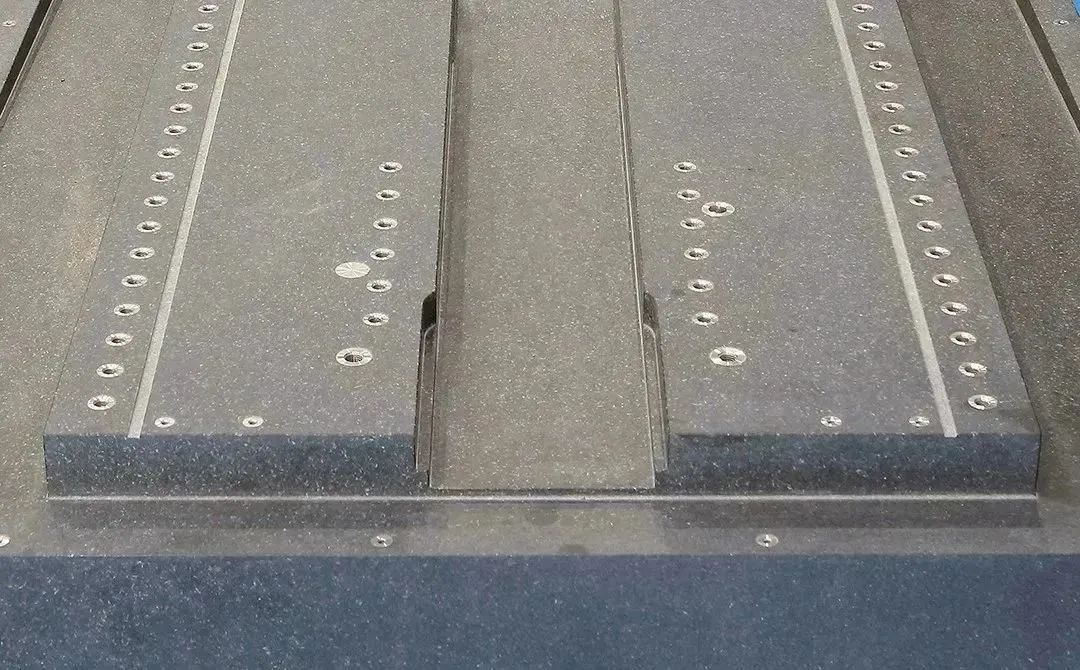
Granite platforms / bases have become an indispensable core requirement for high-tech manufacturing for the following reasonsHigh-end manufacturing (semiconductor lithography, CMM, ultra-precision machining, optical inspection,