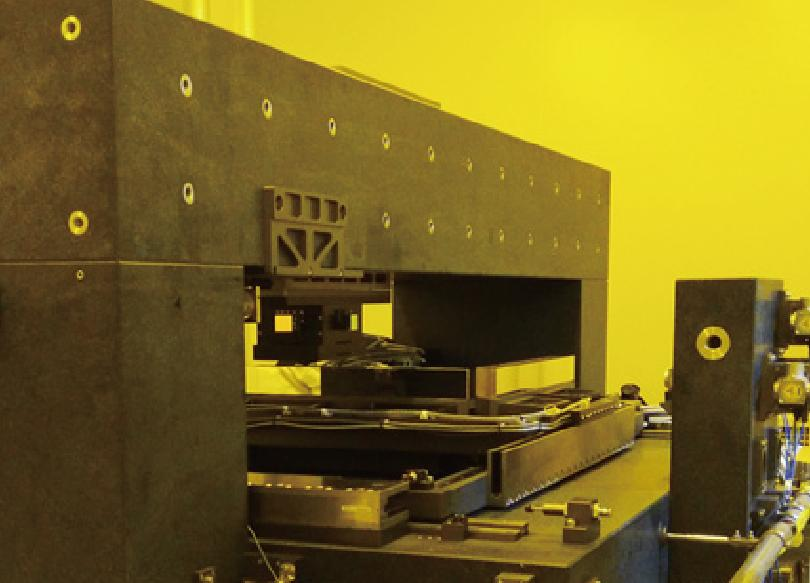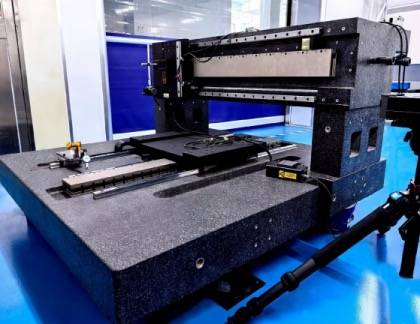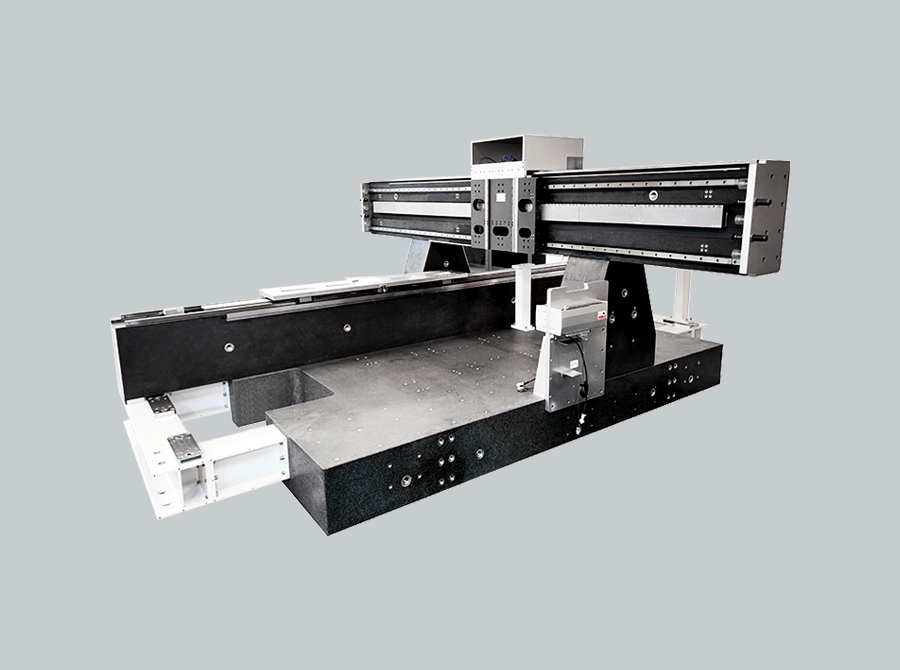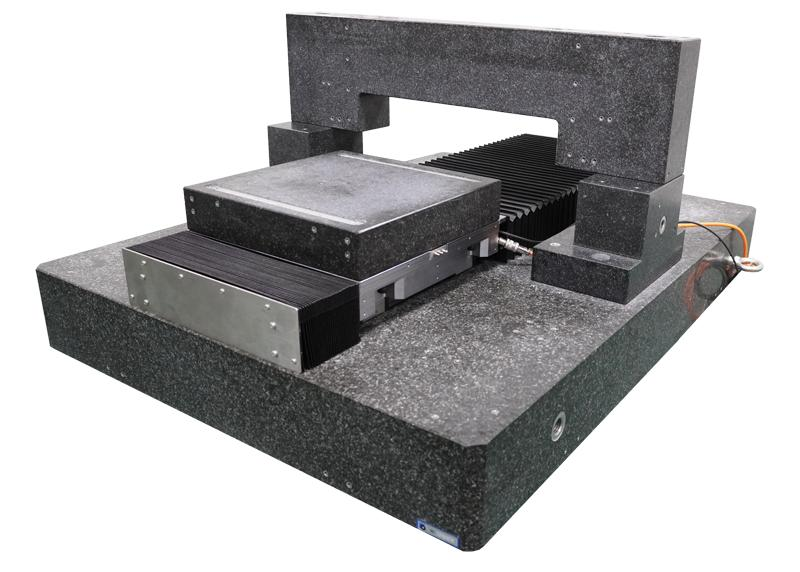
Ten Taboos for Protecting Marble (Granite) Motion Bases
I. Chemical Taboos (Corrosion, Whitening, Irreversible Micro-pore Contamination)
Strictly forbid strong acids and strong alkalis from contacting the tabletop
Hydrochloric acid, oxalic acid, rust removers, bleach, caustic soda, heavy-duty alkaline degreasers, etching liquids, electroplating chemicals, welding slag cleaners.
These will corrode granite crystals, causing large-scale white spots, loss of gloss, and expansion of micro-pores on the tabletop, leading to a permanent decline in precision.
Prohibit long-term soaking and wiping with strong organic solvents
Acetone, banana oil, xylene, paint strippers. Short-term rapid wiping of oil stains is acceptable, but long-term contact will destroy the stone’s protective layer and penetrate the interior, causing efflorescence.
Do not use cleaners containing abrasive or grinding particles
Cleaners with polishing powder, scouring powder, or steel wool contain hard particles. Wiping will create dense, permanent scratches and destroy the reference plane.
Cutting fluids, coolants, and chemical reagents must not remain for long periods
Emulsified cutting fluids and grinding fluids contain acid-base additives. If dripped on the tabletop and not cleaned promptly, they will penetrate micro-pores overnight and cannot be cleaned off later.
II. Physical Impact and Scratch Taboos (Fatal Flaw of Stone Brittleness)
Strictly forbid dropping heavy objects or hard workpieces onto the tabletop, or dragging them across it
Directly dropping or pushing/pulling steel parts, jigs, and measuring tools easily causes deep pits and scratches on the tabletop; edges and corners are the most brittle, and even slight impacts can cause chipping.
Prohibit metal tools and hard scrapers from directly scraping the reference surface
Using scrapers, wrenches, tweezers, or hard-bristled brushes to clean dust will leave linear scratches, affecting air-float fitting and guide rail installation reference precision.
Do not grind, cut, or weld directly on the stone tabletop
High-temperature burning from welding slag will cause pitting; grinding debris embedded in micro-pores and high temperatures altering the surface crystal structure of the stone will permanently damage flatness.
Prohibit long-term single-point heavy pressure and overloaded use
Concentrating heavy workpieces in one spot for a long time generates continuous compressive stress, causing slight permanent deformation of the base and drifting of straightness and flatness.
III. Water and Humid Environment Taboos (Internal Efflorescence, White Spots)
Strictly forbid direct water pipe spraying or large amounts of water rinsing the base
Water seeping into joints, threaded holes, and internal micro-pores of the stone will leave white salt and alkali spots upon long-term retention, which cannot be eradicated.
Eliminate long-term water accumulation and condensation on the tabletop
In high-humidity environments without dehumidification, day-night temperature differences cause condensation. Continuous water vapor penetration leads to internal powdering of the stone and a year-by-year decline in precision.
Do not leave water stains to air-dry naturally after cleaning
After water evaporates, minerals remain in the micro-pores forming white spots. Every wet cleaning must be immediately wiped dry with a lint-free cloth.
IV. Temperature and Environmental Use Taboos
Prohibit direct sunlight and long-term direct blowing of hot air on the base
Excessive local temperature differences cause thermal deformation; long-term high temperatures accelerate the failure of the stone’s protective layer, making micro-pores more susceptible to contamination.
Strictly forbid placing hot or cold workpieces directly on the tabletop
Direct contact with freshly processed high-temperature workpieces or ice-cold workpieces causes local thermal expansion and contraction, resulting in micro-cracks and tabletop warping.
V. Cleaning and Maintenance Taboos
Prohibit using hard tools to clean holes and slots
Using screwdrivers or steel to hard-scrape threaded holes and guide rail slots, scratching the installation reference surface, and causing the assembly gap between guide rails and modules to increase.
Applying thick layers of protective or applying it to air-float mating surfaces / guide rail reference surfaces
Excessive protective agent accumulates and cures into a protruding film, destroying planar accuracy; applying protective agent to air- areas will block air-float gaps.
Blowing high-pressure air guns directly at close range into tabletop gaps
Dust is forced by high-pressure airflow into stone micropores threaded holes, making it difficult to clean later and wearing down the guide rail mating surfaces.
VI. Lifting, Transporting, and Storage Taboos
Prohibit single-point at non-designated lifting points or side-tilting transport
Internal stress is generated inside the base, creating hidden micro-cracks invisible to the naked eye, leading to a drop in accuracy after a period of use.
Long-term open-air storage without cover
Exposure to wind, rain, and alternating sun and temperature differences causes the stone to and powder rapidly, resulting in the direct scrapping of the entire base set.
Stacking or heavy-pressure stacking of idle bases
The bottom stone is compressed and deformed, damaging tabletop reference.
VII. Matching Processing and Assembly Taboos
Prohibit on-site drilling, grinding, and trimming on the finished ground tabletop
Processing dust and coolant contaminate the, and processing impact generates micro-cracks, destroying the factory reference accuracy.
Failure to promptly clean glue or sealant overflow on the tabletop
After curing, the glue firmly adheres the micropores; forced removal will tear off the surface crystals of the stone, forming pits.
Brief Summary of Core Red Lines
Avoid acids and alkalis, avoid water accumulation
Avoid impact, dragging, and high-temperature welding slag;
Avoid strong acid/alkali cleaners and abrasive cleaners;
Avoid localized high-temperature sun exposure and single-point loads;
Avoid flushing with large amounts of water and letting water stains air-dry.
Violating any of the above will cause irreversible damage to the accuracy of the stone base significantly shortening its 20-50 year service life.