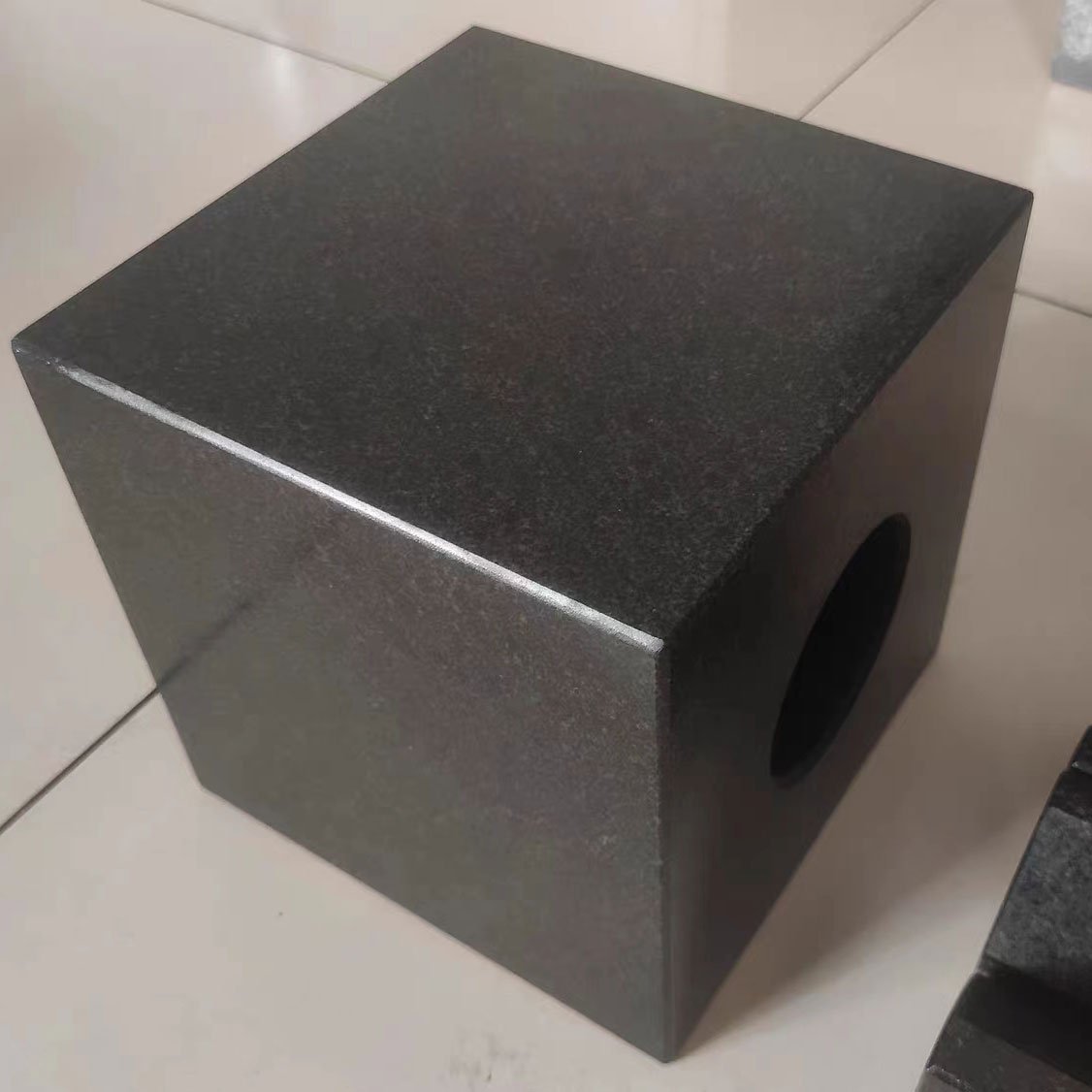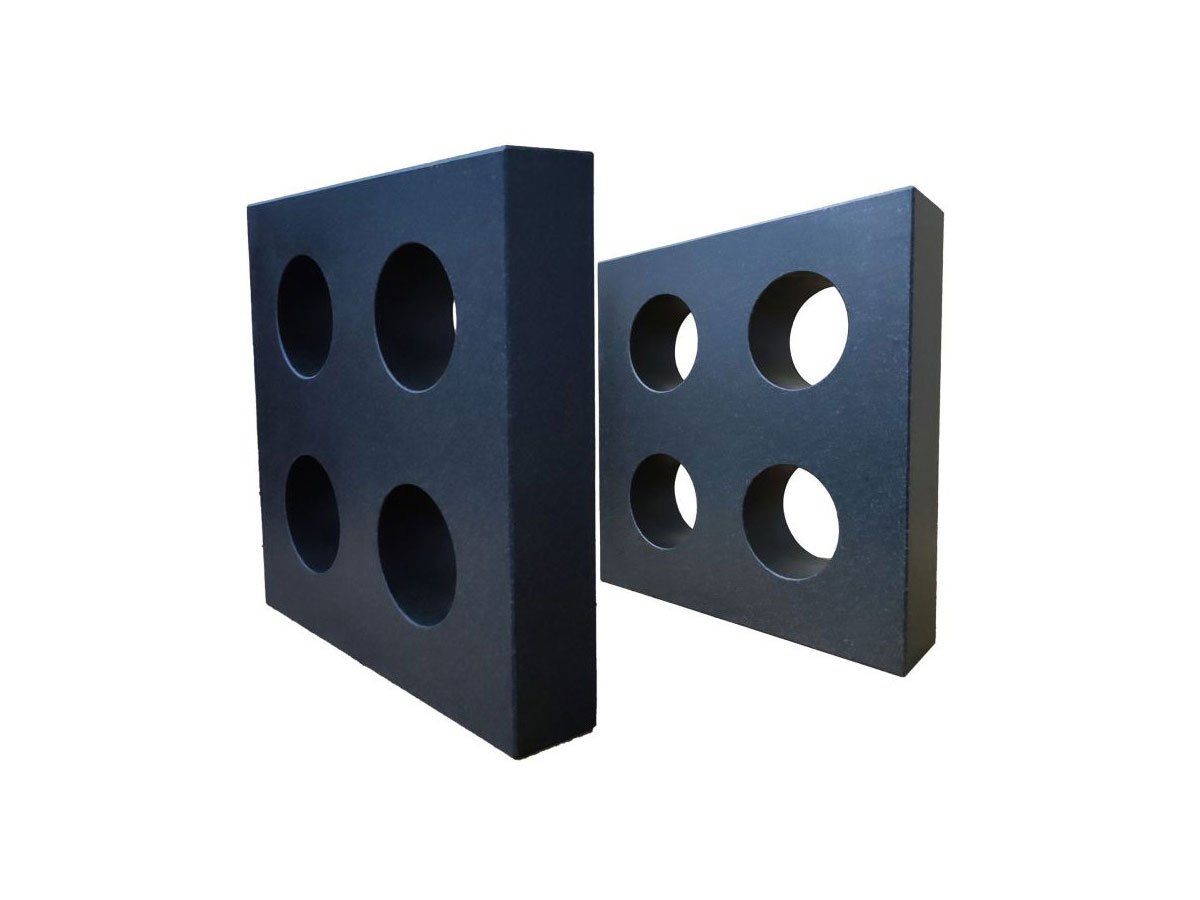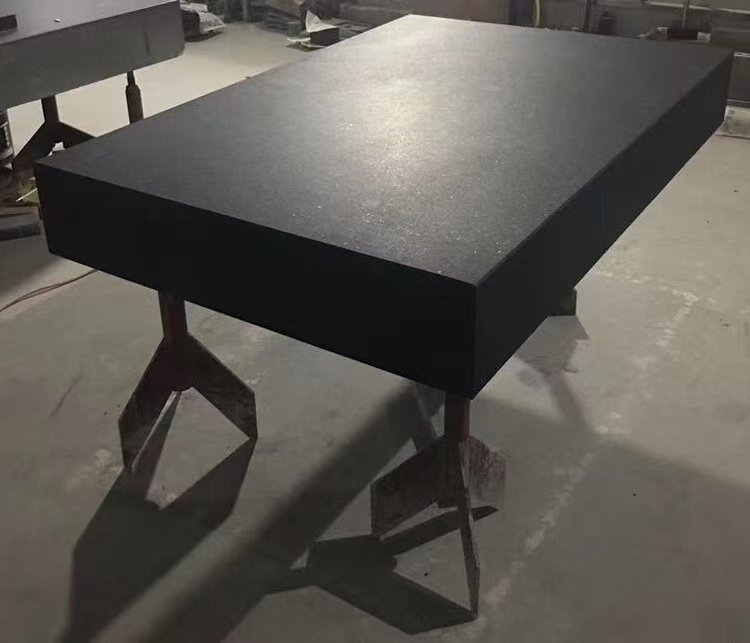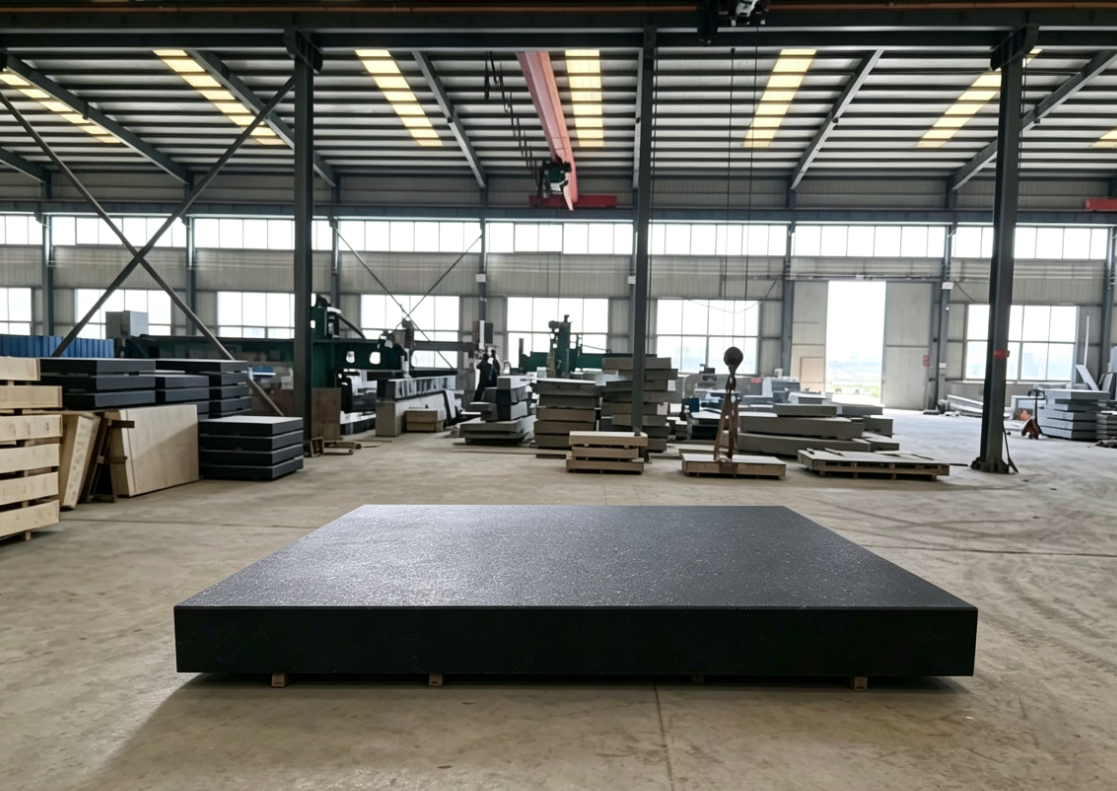
1. Material & Origin – Indian Granite: A type of igneous rock formed deep underground, mainly composed of quartz, feldspar, and mica. It is mined in large quantities in India, with unique mineral compositions and textures.- Ordinary Stone: A general term for common building stones, including sedimentary rocks (e.g., sandstone, limestone), metamorphic rocks, and low-grade granite/stone blocks. It has a wide range of origins and uneven material properties. 2. Physical Properties – Hardness & Density: Indian granite has a Mohs hardness of 6–7, high density (2.6–2.8 g/cm³), and excellent compactness. Ordinary stone (e.g., sandstone, limestone) has a Mohs hardness of 3–5, lower density, and looser texture.- Wear Resistance & Durability: Indian granite is highly wear-resistant, scratch-resistant, and has a service life of decades to centuries. Ordinary stone is prone to scratches, wear, and weathering, with a shorter service life.- Water Absorption: Indian granite has extremely low water absorption (<0.5%), making it resistant to water, frost, and stains. Ordinary stone has higher water absorption (1–5%), easily absorbing water and causing efflorescence or cracking. 3. Appearance & Texture – Color & Pattern: Indian granite features rich, stable colors (black, white, gray, pink, etc.) and unique natural patterns (e.g., flecks, veins) with strong layering. Ordinary stone has single, dull colors and simple, irregular textures with poor consistency.- Gloss & Finish: Polished Indian granite has a high gloss (up to 80–90 gloss units) and a bright, mirror-like surface. Ordinary stone has low gloss and a rough, matte finish after polishing. 4. Performance & Application – Stain & Corrosion Resistance: Indian granite resists acid, alkali, oil, and common stains, making it easy to clean and maintain. Ordinary stone is easily corroded by acids/alkalis and stained, requiring frequent maintenance.- Deformation & Stability: Indian granite has minimal thermal expansion and contraction, with high dimensional stability and no easy warping. Ordinary stone is prone to thermal deformation, warping, and cracking.- Main Applications: Indian granite is used for high-end projects—countertops, flooring, exterior walls, monuments, and precision equipment bases. Ordinary stone is for low-demand scenarios—ordinary building foundations, rough paving, and non-decorative structures. 5. Price & Cost – Indian granite: Higher price due to superior quality, mining costs, and processing difficulty.- Ordinary stone: Lower price, suitable for budget projects with low quality requirements.