I. Why Modern Precision Workshops Still Cannot Do Without These Three Granite Measuring Tools
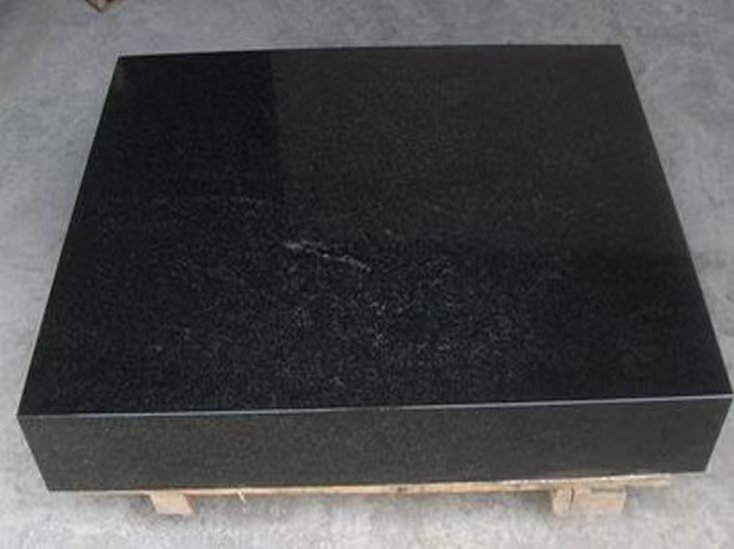
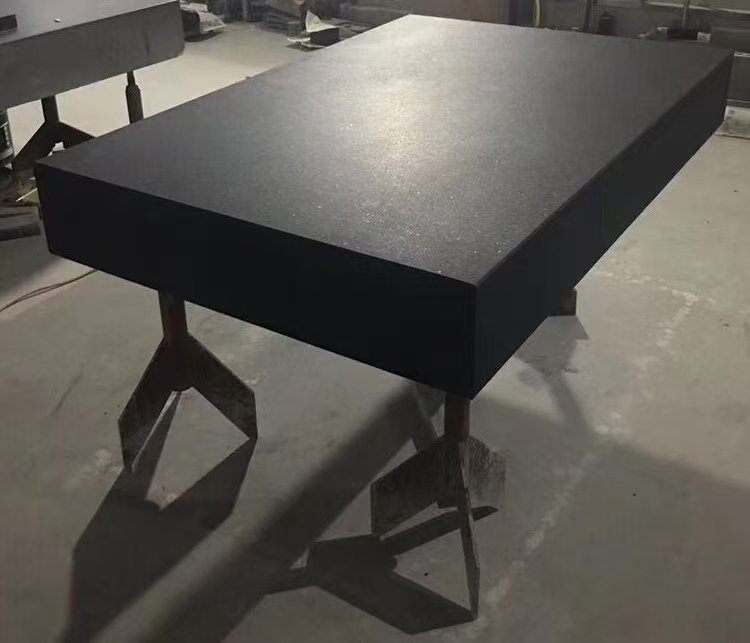
- Granite Right Angle Square
Extremely strong stability: Minimal dimensional impact from temperature changes; does not deform or warp over the long term.
Non-magnetic: Does not attract metal chips; does not interfere with coordinate machines, grinders, or cutting tools.
Wear-resistant and rust-proof: Resistant to workshop oil, coolant, and humid environments.
Applications:
Alignment of verticality for grinders, coordinate boring machines, and machining centers.
Inspection of workpiece perpendicularity and right-angle surface precision.
Precision assembly and tooling positioning reference.
In 00-grade and 000-grade precision scenarios, metal right angle squares have basically been phased out of the mainstream, and granite is the standard configuration. - Granite V-Block
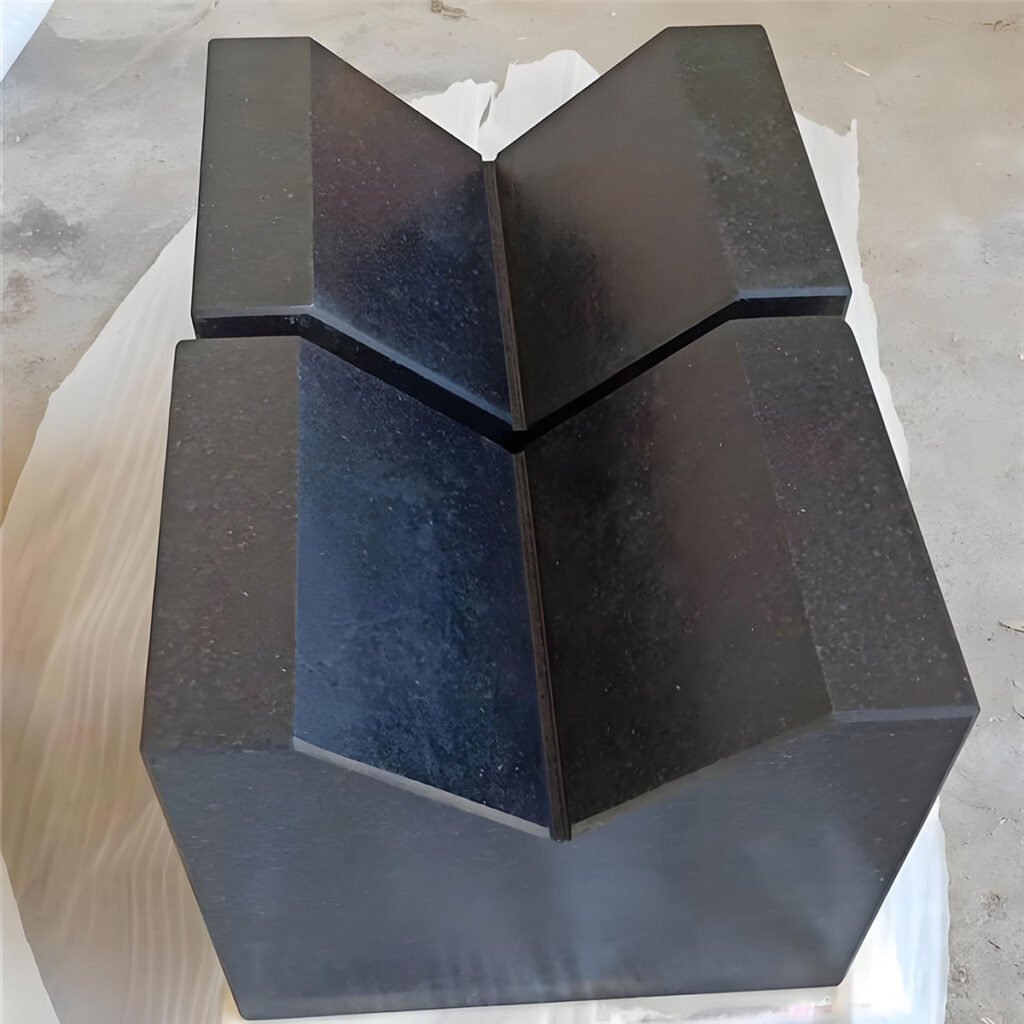
High-precision centering: Sets cylindrical workpieces (shafts, mandrels, guide pillars) straight in one go.
Good rigidity, does not deform under pressure; suitable for heavy-duty precision shafts.
Non-magnetic, does not adsorb metal chips that affect precision.
Applications:
Alignment and inspection of shaft workpieces, checking circular runout.
Bench support for grinding and inspection.
V-block for positioning precision measuring instruments.
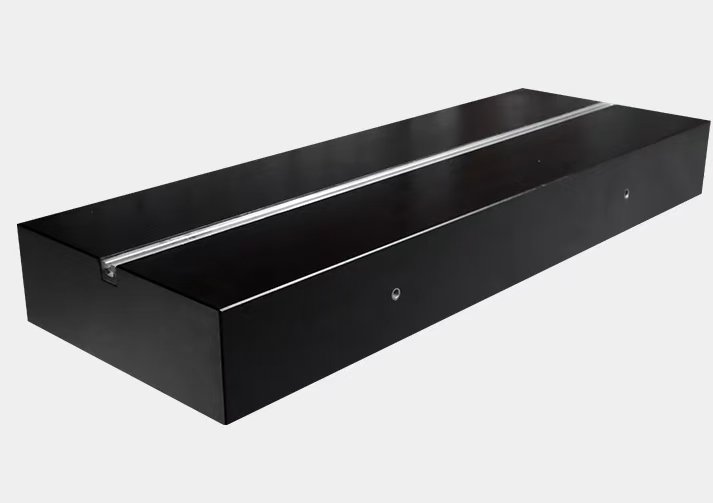
As long as the workshop produces precision rotary parts, V-blocks will always be useful. - Granite Parallel Rule (Parallel Gauge, Parallel Block)
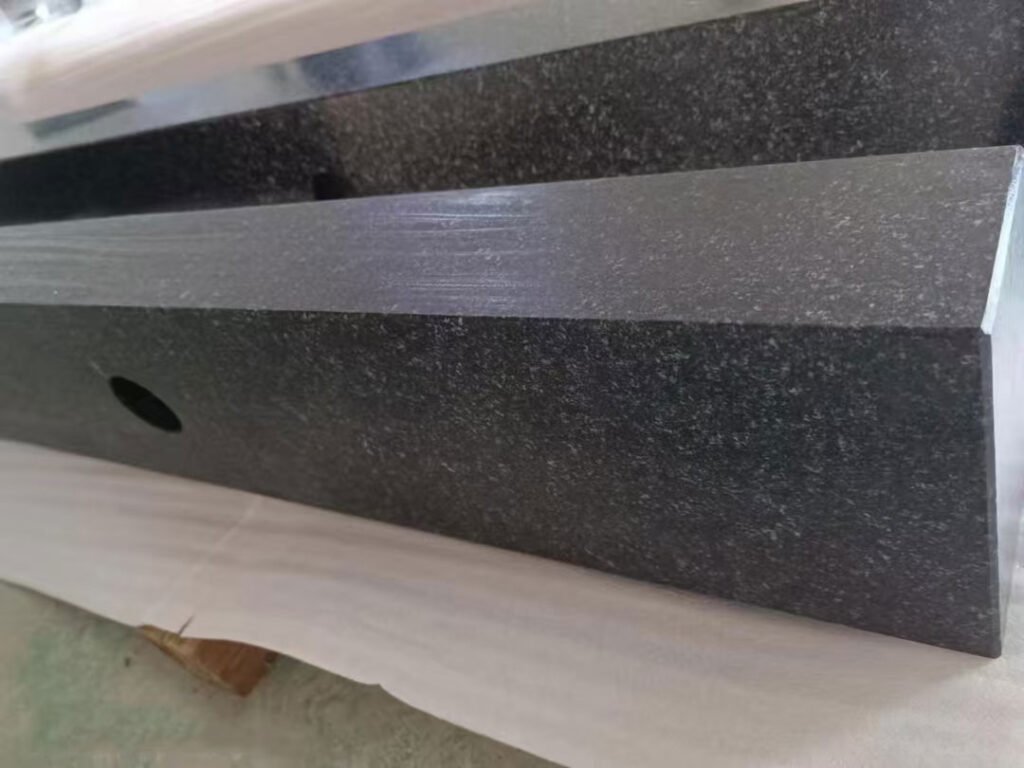
Extremely high parallelism and flatness, with lifetime stability.
Does not undergo elastic deformation when supporting workpieces due to pressure.
Good thermal insulation; the influence of hand temperature and ambient temperature is far less than that of metal.
Applications:
Precision scribing and alignment reference.
Elevating and parallel support for workpieces.
Used with height gauges and dial indicators for flatness and parallelism inspection.
In grinding shops, tool rooms, and metrology labs, it is a basic reference tool that is almost impossible to replace with anything else.
II. Their Truly Irreplaceable Core Advantages
Far superior temperature stability compared to steel
The coefficient of linear expansion is only about 1/3 to 1/2 that of steel, so workshop temperature fluctuations have minimal impact on precision.
No deformation, no release of internal stress
Good granite undergoes long-term aging; precision remains stable for decades of use.
Rust-proof, non-magnetic, oil and coolant resistant
Metal measuring tools require frequent maintenance, rust prevention, and demagnetization; granite is virtually maintenance-free.
Sufficient rigidity and wear resistance
Under normal use, wear is extremely slow, making it suitable for long-term use as a reference measuring tool.
Extremely high cost-effectiveness for precision
Metal reference measuring tools of the same grade are much more expensive and fail more easily.
III. In Which Scenarios Must Granite Versions Be Used Instead of Metal?
Coordinate grinding, high-precision surface grinding, EDM precision discharge machining
Daily reference standards in inspection rooms and metrology labs
Semiconductor, mold, and precision fixture assembly
Workstations kept in the workshop environment with infrequent maintenance
Scenarios requiring extremely high perpendicularity and parallelism, where error drift is not allowed
IV. Summary
In modern precision workshops pursuing micron and sub-micron level precision:
Granite right angle squares, V-blocks, and parallel rules are not “traditional old tools,” but rather the low-cost, high-reliability, and lifetime-stable foundation stones of reference.
As long as precision manufacturing exists, they are indispensable.