

NEWS
Flatness error inspection of granite platforms shall be conducted in accordance with GB/T 20428-2006 “Rock Slabs”* as a priority. Common methods include the electronic level
Flatness error inspection of granite platforms shall be conducted in accordance with GB/T 20428-2006 “Rock Slabs”* as a priority. Common methods include the electronic level
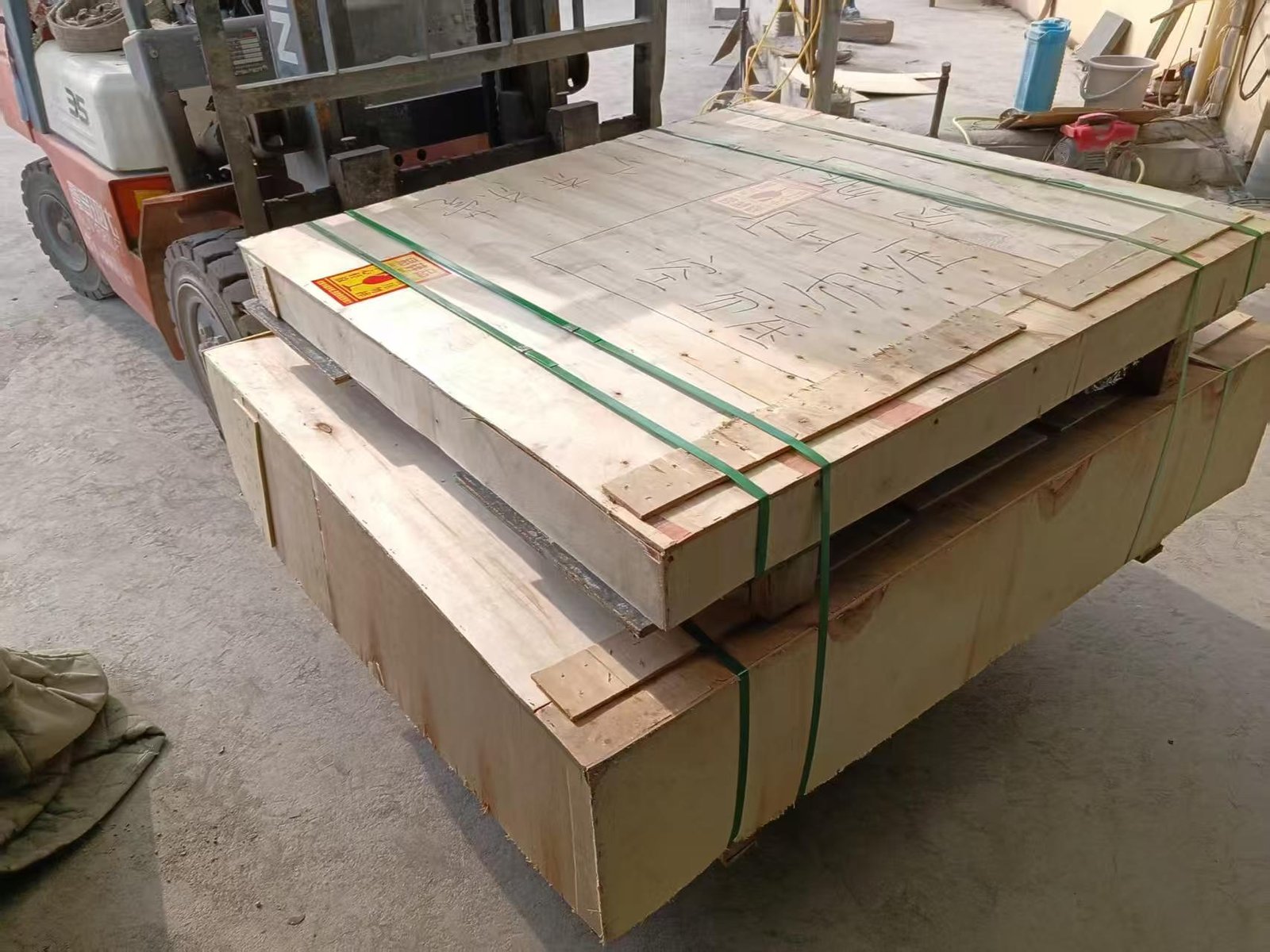
I. Packaging Requirements (Shipping / Long-distance Transport) II. Storage Requirements (Warehouse / On-site Storage) IHandling and Lifting PrecautionsMust use the original design lifting holes /

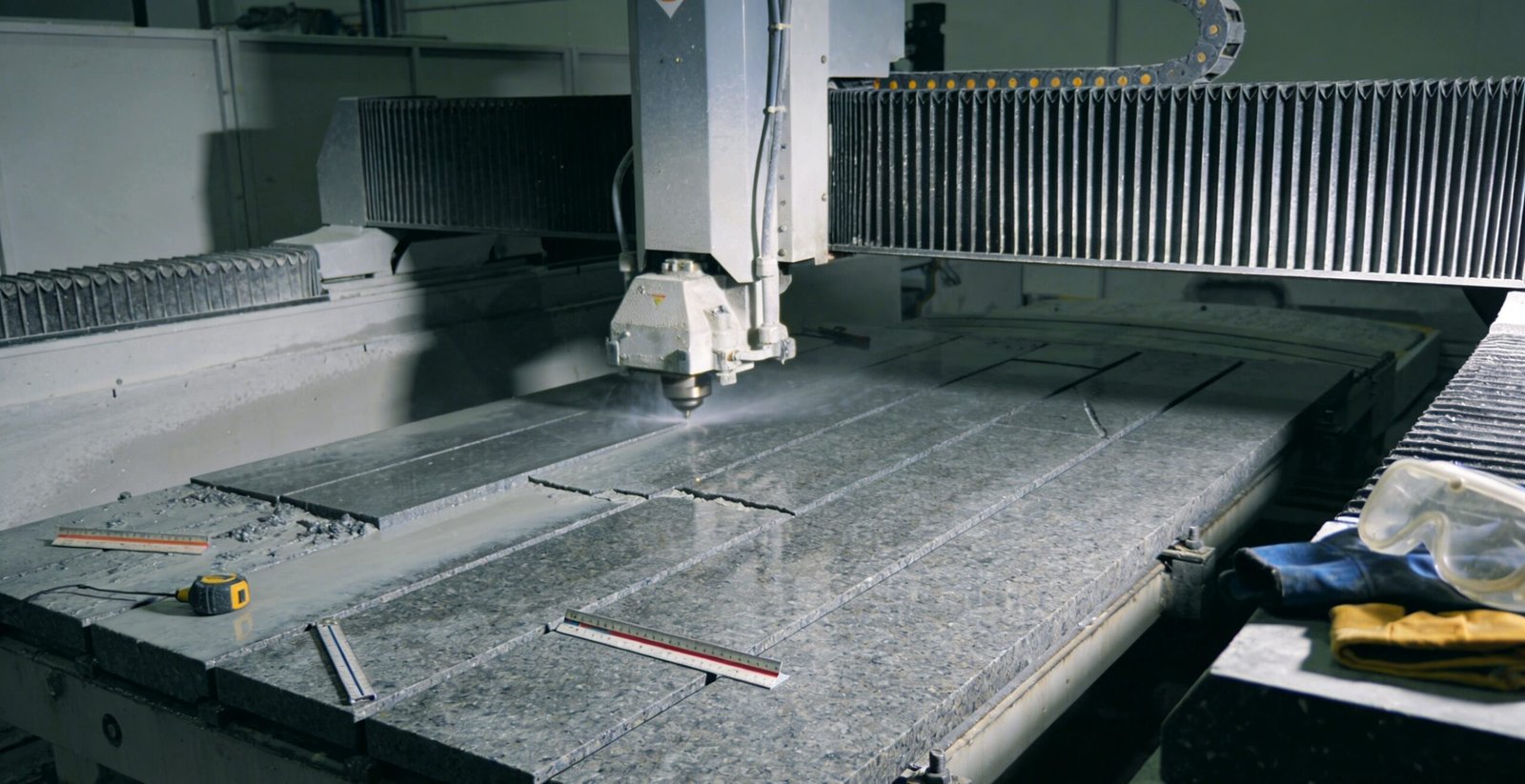
Granite Platform — The Impact of Cutting, Thickness Measurement, and Polishing on Precision, Stability, and Appearance I. Impact of Cutting Process Iof Thickness Measurement Process
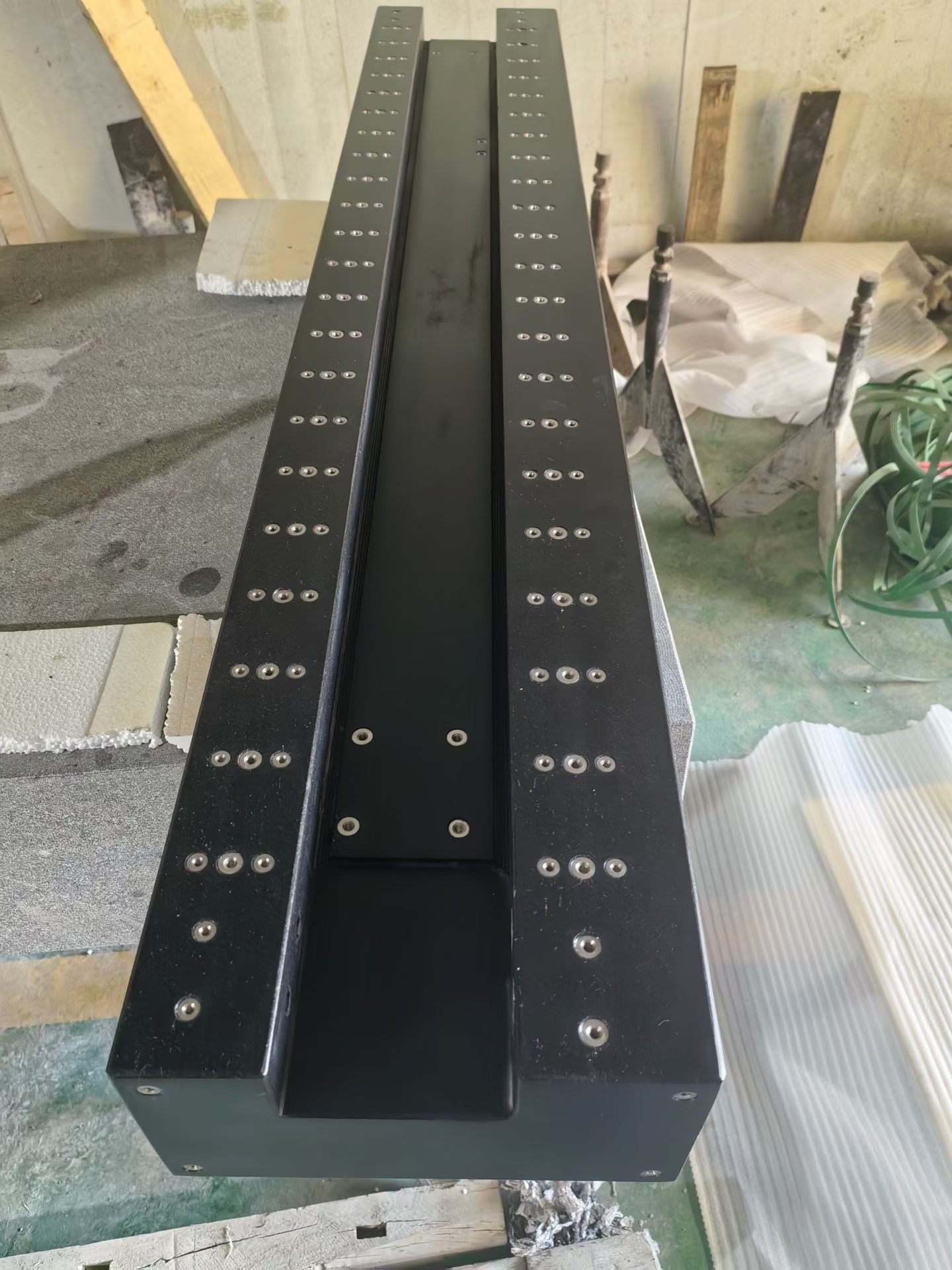
I. Main Causes of Deformation II. Prevention and Control Measures III. Recommendations for Handling DeformationMinor Deformation / Wear: Use manual grinding diamond grinding paste for
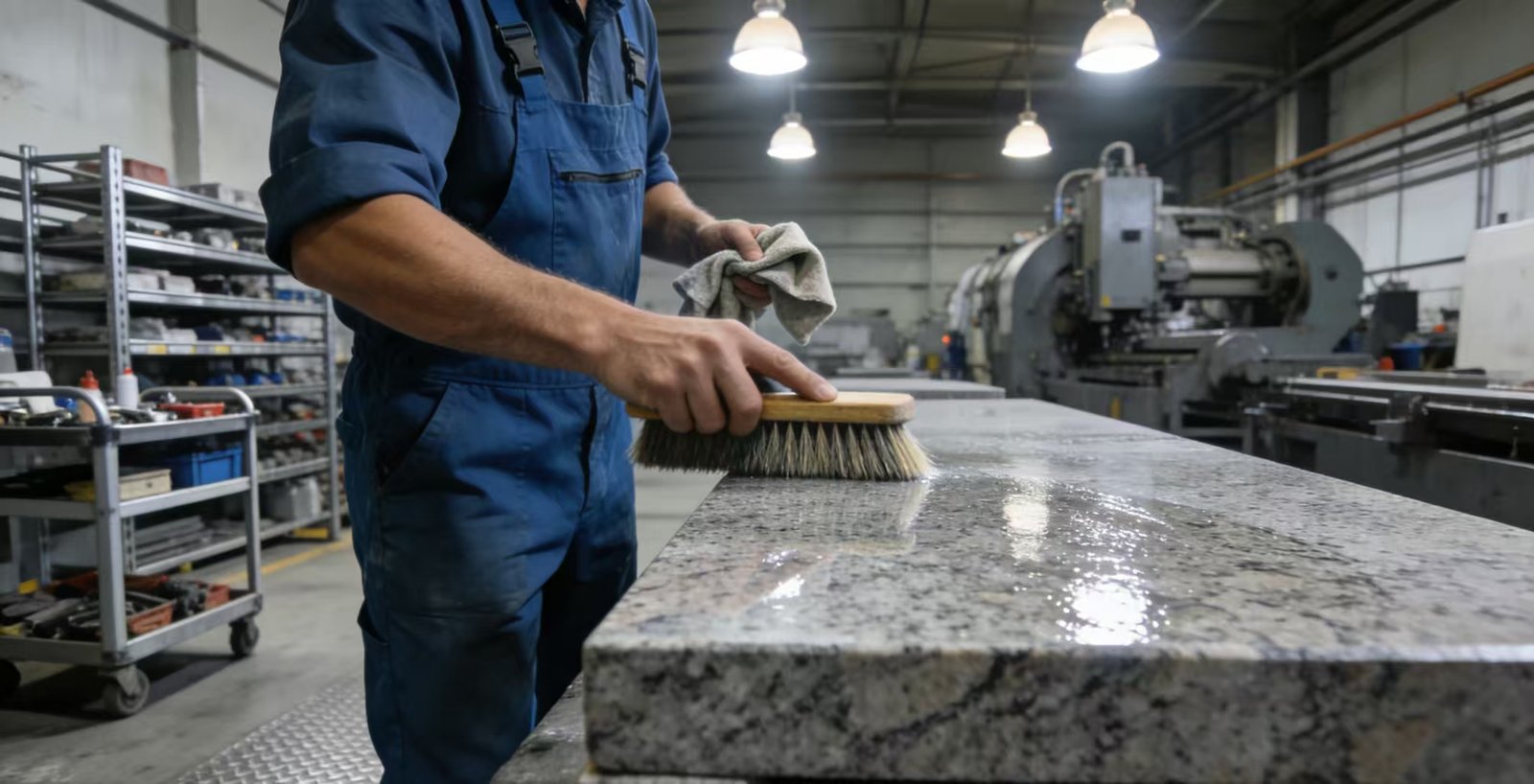
Granite Measuring Platform / Gauge Cleaning Maintenance Daily Care StandardsApplicable tde 00, Grade 0 granite platforms, straight edges, angle blocks, parallels, etc. I. Cleaning Methods
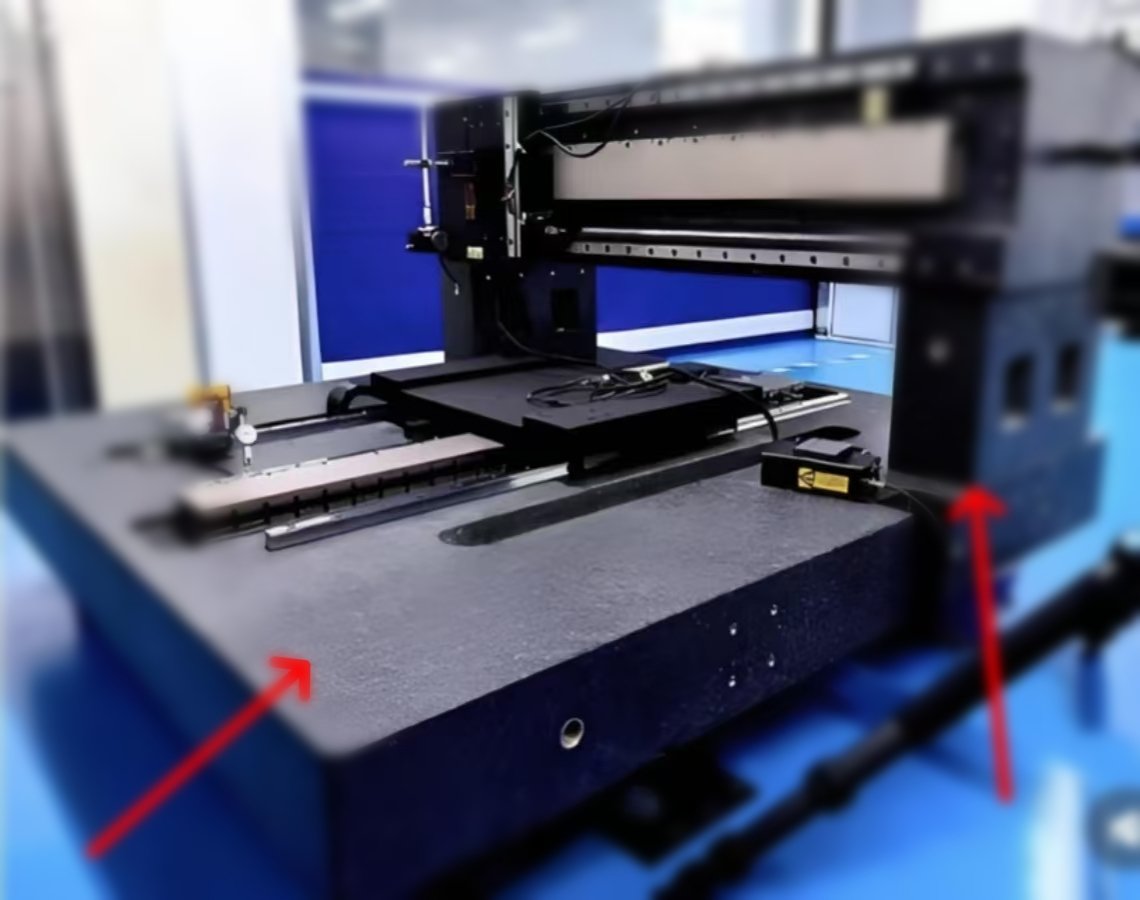
Common Fixation Methods for Granite Platforms I. Most Universal: Three-Point Support Fixation (Mandall precision platforms)** Applicable to:** Grade 00, Grade 0, Grade 1 precision inspection

The delivery acceptance of granite components is centered on complete documentation, qualified appearance, precise dimensions, compliant ormance, and stable installation. Quality control spans the entire
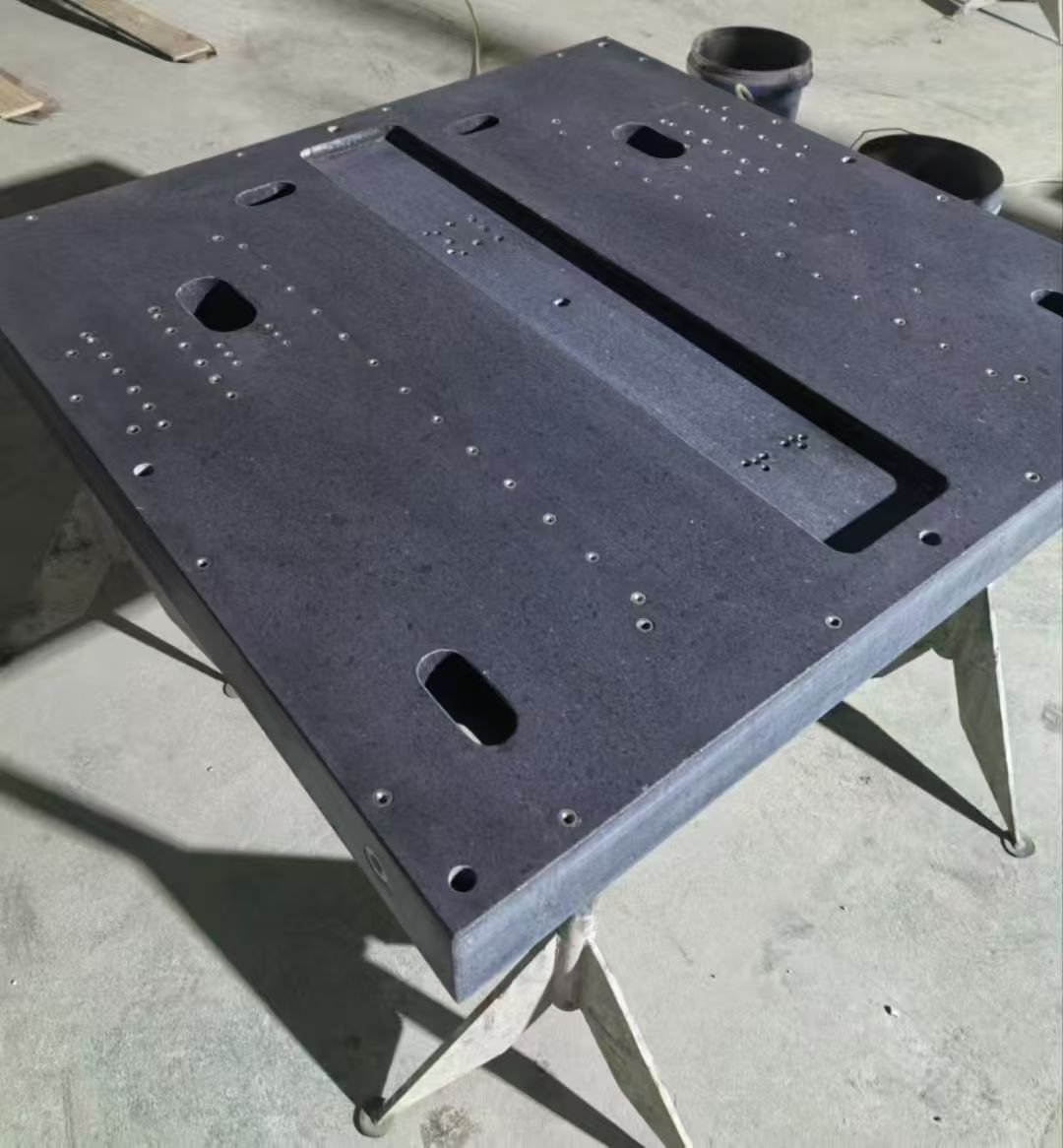
Granite bases are coated with a layer of oil before shipment primarily for the following core reasons, all aimed at protecting the product during transportation

Granite Platform Stands are specialized structures used in precision measurement and machining to support granite plates, ensuringir levelness and stability. The core design follows the
2 Surface Cleaning (Crucial)Use a dust-free cloth/rabbit skin cloth to wipe away floating dust.For oil stains: Gently wipe with anhyd ethanol/isopropanol or neutral cleaner, and