Equipos de precisión: Comparación de la selección de materiales (cerámica, metales y granito). Lógica completa de selección
I. Resumen de las características fundamentales (diferenciación rápida)
- Granito (piedra natural)
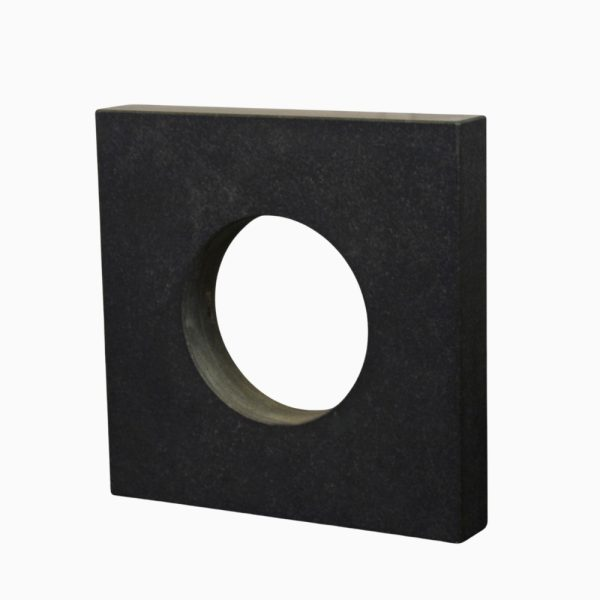
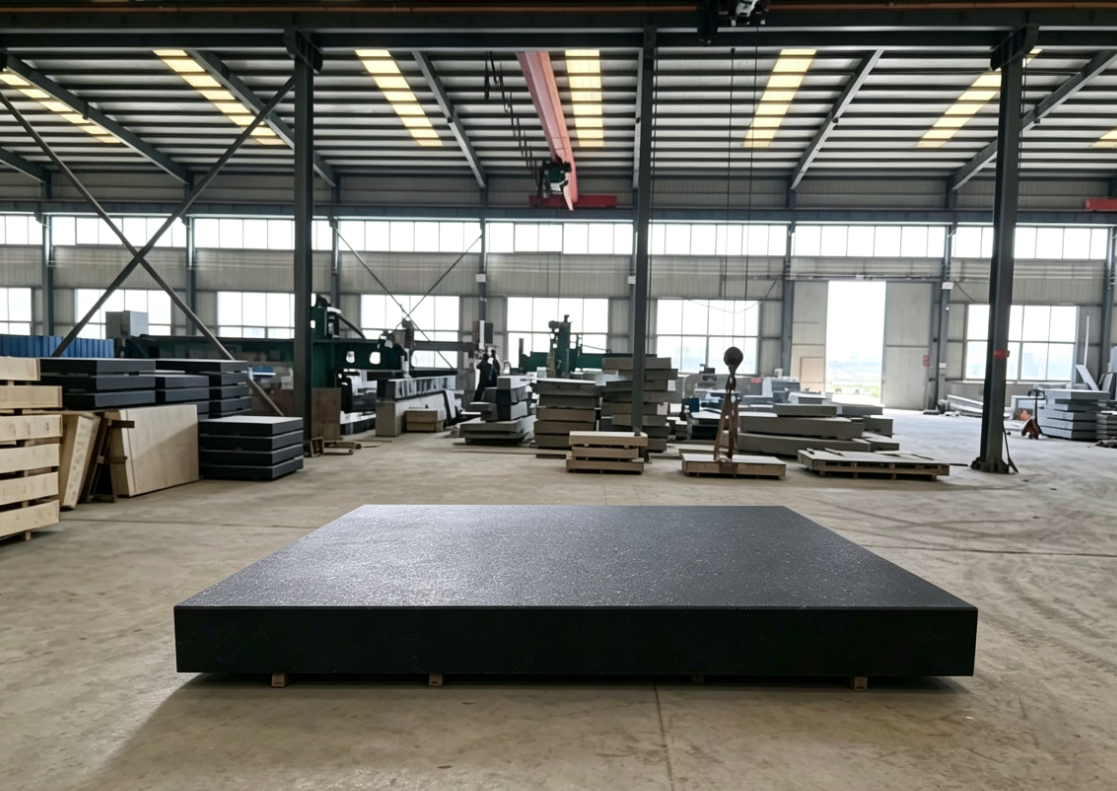
Ventajas: Excelente amortiguación de vibraciones, expansión térmica extremadamente baja, aislamiento no magnético, bajo coste, tecnología consolidada para bases de gran superficie;
Inconvenientes: Textura natural e impurezas; propenso a astillarse en orificios pequeños o paredes delgadas; no se puede moldear en formas irregulares complejas; muy pesado; absorbe el agua y las manchas de aceite; presenta una ligera deformación por fluencia bajo una presión intensa y prolongada. - Metal (aluminio / acero / hierro fundido)
Ventajas: Fácil de mecanizar, admite estructuras complejas, paredes finas y ligeras, no se astilla al taladrar o roscar, montaje flexible, entrega rápida;
Inconvenientes: Expansión y contracción térmicas significativas, propenso a la resonancia por vibraciones, el acero se oxida, es conductor y magnético, presenta fluencia bajo tensión prolongada, escasa estabilidad de precisión. - Cerámicas de precisión (cerámicas de carburo de silicio y alúmina)
Combina los puntos fuertes de ambos y compensa sus puntos débiles
Características propias de la piedra: baja dilatación térmica, alta amortiguación de vibraciones, aislamiento no magnético, resistencia a la corrosión, dureza ultraalta y resistencia al desgaste;
Derivado del metal: mecanizado de precisión de orificios pequeños, orificios pasantes, roscas empotradas, paredes delgadas e irregulares y estructuras integradas;
Ventajas exclusivas: material homogéneo sin defectos naturales, no absorbente al aceite ni a las manchas, sin fluencia, estabilidad a altas temperaturas y menor peso con la misma rigidez.
II. Criterios de selección basados en escenarios (que se adapten directamente a tu equipamiento)
Escenario 1: Grandes plataformas fijas de inspección, bases de máquinas CMM → Dar prioridad al granito
Adecuado para: dimensiones grandes, uso fijo, presupuesto limitado, sin necesidad de orificios pequeños y densos ni ranuras complejas
Desventajas: No se recomienda si se requieren orificios de tornillos muy próximos entre sí, estructuras ultrafinas o movimientos a alta velocidad.
Escenario 2: Módulos de movimiento de alta velocidad, soportes de movimiento ligeros, utillaje pequeño de precisión → Dar prioridad al metal (aleación de aluminio / acero)
Adecuado para: estructuras complejas, producción en serie de bajo coste, variaciones mínimas de temperatura, uso a corto plazo, sin requisitos estrictos de precisión a largo plazo
Desventajas: No es adecuado para entornos con temperaturas extremas (calor o frío) ni para equipos ópticos o de semiconductores de alta precisión, ya que la precisión se verá afectada.
Escenario 3: Óptica de alta precisión, semiconductores, equipos láser, piezas móviles de alta precisión y alta velocidad, bases pequeñas de alta precisión → Dar prioridad a la cerámica
La cerámica es la solución óptima si se da alguna de las siguientes circunstancias:
Necesidad de orificios pequeños y densos, orificios pasantes o pilares de aislamiento montados en la parte inferior (como la placa anterior de 4 pulgadas del cliente, con una estructura de pernos densa);
El equipo requiere un movimiento recíproco a alta velocidad, por lo que debe ser ligero y amortiguar las vibraciones;
Entorno con variaciones estrictas de temperatura, en el que la precisión a nivel de micras no debe sufrir desviaciones durante el funcionamiento a largo plazo;
Se requiere un aislamiento no magnético para evitar interferencias electromagnéticas con los componentes ópticos y los chips;
Contacto con fluidos de corte ácidos o alcalinos, por lo que no debe oxidarse nunca ni absorber manchas de aceite;
Estructuras integradas de paredes delgadas y forma irregular en las que la piedra natural tiende a romperse en fragmentos.
III. Tabla de decisión para la comparación de indicadores clave
| Requisitos de rendimiento | Granito | Metal | Cerámica de precisión |
| Base fija de gran tamaño, con un presupuesto ajustado | ✅ Primera opción | ❌ No recomendado | Alternativa (de mayor coste) |
| Componentes ligeros que se desplazan a gran velocidad | ❌ Demasiado pesado | ✅ La mejor opción para precisión estándar | ✅ La mejor opción para una precisión ultraalta |
| Agujeros pequeños y densos, agujeros pasantes y estructuras de paredes delgadas | ❌ Propenso a que se astillen los bordes | ✅ Mecanizable | ✅ Mecanizado estable sin astillamiento |
| Amplio rango de temperaturas y ultraprecisión a largo plazo | ⭕ Aceptable | ❌ Error grave de expansión térmica | ✅ Solución óptima |
| No magnético, aislante, resistente a las interferencias electromagnéticas | ⭕ Aceptable | ❌ Conductivo y magnético | ✅ Solución óptima |
| Resistencia a los ácidos y a los álcalis; resistencia a la absorción de aceite | ⭕ Se puede usar, pero absorbe la grasa y es difícil de limpiar | ❌ Propenso a la corrosión y al óxido | ✅ Superficie densa y no absorbente |
| No se produce deformación lenta bajo carga a largo plazo (fluencia nula) | ⭕ Se aprecia un ligero desplazamiento | ❌ Un tipo que da mala espina | ✅ Fluencia prácticamente nula |
| Piezas integradas complejas de formas especiales | ❌ Capacidad de mecanizado limitada | ✅ Fácil de moldear | ✅ Conformado de alta precisión |