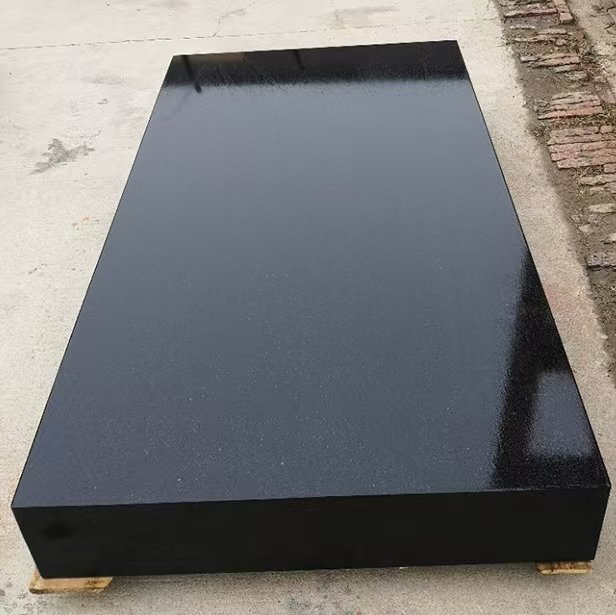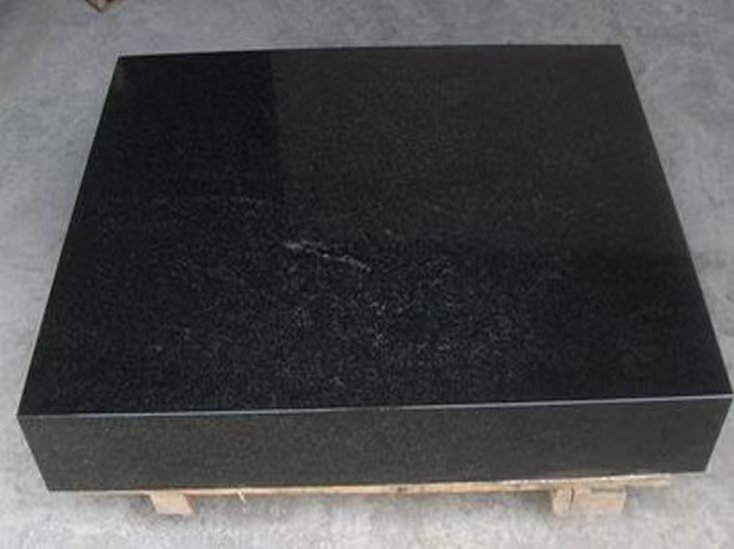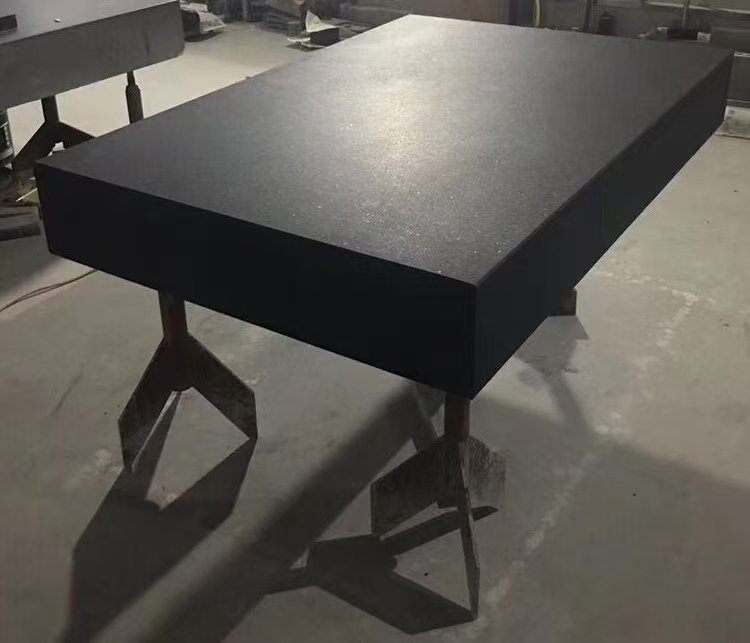
In the vast river of human civilization, stone has always played a silent and solid role. It is nurtured from the mountains, tempered by geological changes, and ultimately becomes the cornerstone of the world. Among the many stones, marble, with its unique qualities, occupies an irreplaceable position in the halls of architecture and art. Among them, marble platforms, as a highly representative form of application, perfectly interpret the essence of this material—it is not only the carrier of function but also the expression of aesthetics, and a medium connecting the power of nature and human wisdom.
Marble is a metamorphic rock formed by limestone or dolomite under the action of high temperature and high pressure in the deep crust for a long time. This birth process endows it with a dense crystal structure and tough physical properties. The ever-changing texture inside it is not the deliberate carving of craftsmen, but the natural marks left by the flow and blending of mineral components in geological periods, like a solid river of time, each piece tells a unique story. When such a complete piece of stone is carefully mined, cut, and polished into a flat platform, the stability, heaviness, and eternity it contains are fully revealed.
The physical characteristics of marble platforms are the root of their value. Its hard texture and dense structure endow the platform with excellent load-bearing capacity. This innate stability allows it to maintain its flat shape for a long time without deformation due to external force or time. In occasions where high precision is required, this natural stability is particularly important. It provides a constant and reliable reference plane, and any slight deviation can be clearly reflected on its surface.
At the same time, marble has excellent abrasion resistance. Its hard surface can resist friction and wear in daily use, and it becomes more beautiful with age. This durability does not rely on additional coatings or chemical treatments, but on its inherent rock nature, making marble platforms a practical utensil that can be passed down. In addition, marble has low sensitivity to temperature, and the effect of thermal expansion and contraction is weak, which further ensures its dimensional stability and measurement accuracy under various environmental conditions.
However, the charm of marble platforms far exceeds its excellent physical performance. It is also a work of art that integrates the beauty of nature with the craftsmanship of humanity. The aesthetic value of marble is unparalleled. Its rich and diverse colors, from pure jade to stable ink jade, to gorgeous color jade, each presents a different temperament and emotion. And its most fascinating feature is the unpredictable natural texture—the flowing cloud-like lines, the landscape-like artistic conception, and the star-like spots. These textures are not static patterns but are full of dynamics and vitality, as if they condense the grand natural landscape within an inch.
When these natural patterns are combined with the mirror-like gloss obtained by precise grinding, a profound visual experience is produced. The smooth surface not only enhances the texture of the space but also reflects the surrounding light and shadow, making the platform itself seem to have depth and agility. This beauty is restrained and eternal. It is not showy but has a strong attraction. It can naturally become the focus of vision and set the tone of the space as stable and elegant.
In the world of scientific research, especially in experiments where vibration isolation and flatness are of utmost, marble platforms play a crucial role as well. With their massive weight and inherent damping, they effectively absorb and isolate tiny vibrations, providing a stable working base for precision instruments. From experimental platforms to the exploration of the microscopic world, marble platforms provide the most fundamental physical guarantee for the progress of science.
Moreover, marble platforms are also deeply rooted in culture and life. In classical gardens, stone platforms serve as ideal places for rest, viewing scenic landscapes, and meditation, integrating with natural mountains and waters and bearing the elegance and philosophy literati and poets. In traditional architecture, such as ancestral temples and temples, marble platforms are also commonly seen in important places, symbolizing solemnity, stability, and, and establishing the ritual and sacredness of the architectural space.
Even in contemporary interior design, marble platforms also show new vitality. It could be a simple and heavy desk, which endows the working space with a sense of stability and order; or it could be an island countertop in the kitchen, turning cooking into a sensuous experience of texture; or it could be a stand-alone sculptural piece of furniture, becoming a combination of art and function in the living space. It enhances the quality of daily life introduces fragments of nature into the indoors, and allows people to feel the warmth of stone and the heaviness of the earth at hand.
Making a high-quality large platform is a complex process that integrates modern technology and traditional craftsmanship. It begins with the selection of materials in the mine. Experienced craftsmen will choose the most suitable b for making large-size platforms based on the vein, color, and potential internal structure of the stone. After the initial cutting of the extracted massive material, it forms a rough block
The next step, which is the key process, is trimming and coarse grinding, which requires the use of large-scale gantry saws and grinding machines to gradually the surface of the stone material into a preliminary flatness. This process needs to be precisely controlled to avoid the release of internal stress causing the stone to crack. Then comes the more grinding and polishing process, through the use of diamond grinding heads of different grits, from coarse to fine, advancing layer by layer, gradually eliminating the traces left by the previous, and finally making the surface reach the required flatness and glossiness. The whole processing process is not only a test of mechanical accuracy but also a tempering of the operator’ experience and patience.
Finally, according to the specific application scenario requirements, the edges of the platform will undergo chamfering, grooving and other fine processing to ensure safety and functionality of the use. A perfect marble platform is the crystallization of its natural endowment and the superb craftsmanship of human beings.
Indeed, marble also have their characteristics. Like all natural materials, it has its own personality. Although its surface hardness is high, it is slightly inferior to metal in toughness. When subjected to fierce impact from a sharp object, there may be a risk of local damage. In addition, some components of marble with more active ingredients (mainly carbonate calcium) are more to acidic substances and may undergo chemical reactions affecting the surface luster. However, these characteristics are not defects but part of their material essence. Through reasonable design, correct use, appropriate maintenance, these characteristics can be fully understood and managed.