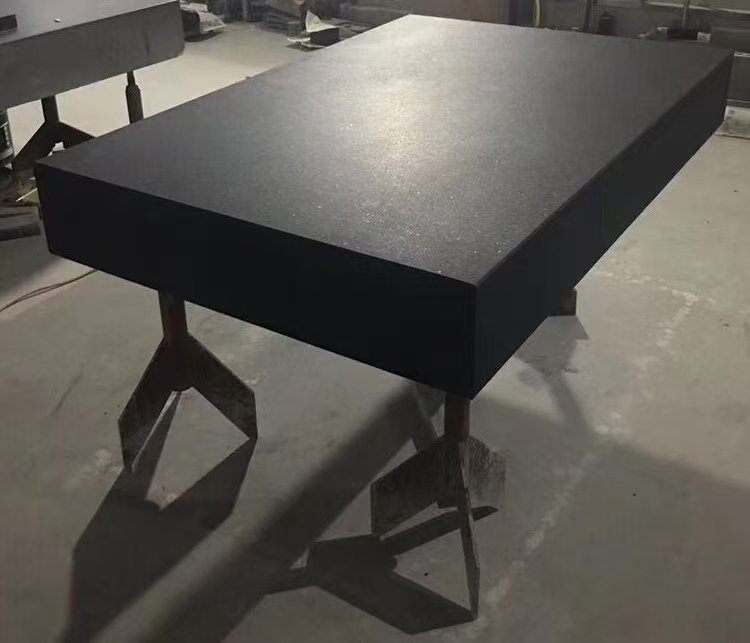
Aunque las herramientas de medición de granito presentan importantes ventajas, como su alta precisión y su resistencia a la corrosión, en las aplicaciones prácticas siguen existiendo las siguientes desventajas, que deben sopesarse y seleccionarse en función de escenarios específicos:
- Textura crujiente con poca resistencia al impacto
Rendimiento: Aunque el granito tiene una gran dureza, es quebradizo y propenso al agrietamiento o al colapso angular cuando se somete a impactos externos como caídas u objetos pesados, llegando incluso a la fractura total.
Impacto: Un manejo inadecuado durante el transporte, la instalación o el uso puede causar daños irreversibles y aumentar los costes de mantenimiento.
Caso: Cuando un determinado fabricante de automóviles utilizaba una plataforma de inspección de granito, el borde resultó dañado debido a una colisión durante el transporte y hubo que devolverlo a la fábrica para su reparación, lo que retrasó el programa de producción. - Tratamiento difícil y coste elevado
Rendimiento: El granito requiere un esmerilado, pulido y otros procesos de alta precisión para cumplir los requisitos de medición, con un largo ciclo de procesamiento y elevados requisitos técnicos y de equipamiento.
Impacto: El coste de las herramientas de medición personalizadas es significativamente superior al de los materiales metálicos; por ejemplo, el precio de las reglas angulares de granito importadas es 10% -15% superior a la media del sector.
Datos: Los rectificadores de herramientas de medición de granito de alta gama requieren más de 20 años de experiencia, y los costes de mano de obra suponen más de 30%. - Pesado, incómodo de transportar e instalar
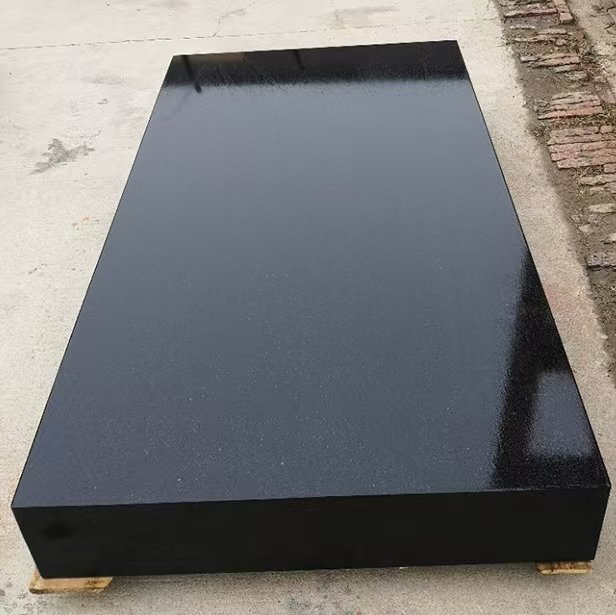
Rendimiento: El granito tiene una densidad elevada (unos 2,7-3,1 g/cm ³), y las herramientas de medición de gran tamaño (como plataformas y reglas cuadradas) pueden pesar varias toneladas, por lo que requieren equipos especializados para su manipulación.
Impacto: El aumento de los costes logísticos y los estrictos requisitos de capacidad de carga y espacio del lugar de instalación limitan su aplicación en escenarios móviles.
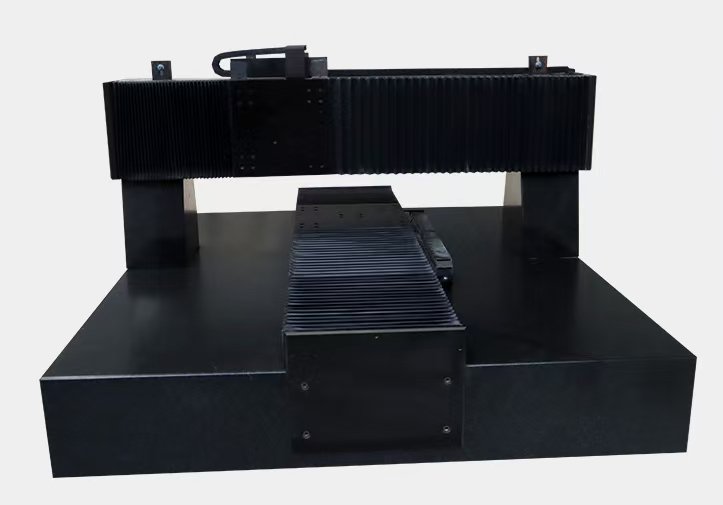
Caso práctico: Una empresa de semiconductores personalizó una plataforma de granito de 5 × 2 m, lo que requirió el uso de una grúa y el refuerzo del suelo de la fábrica, con un gasto adicional de más de 50000 yuanes. - Poca resistencia al fuego
Rendimiento: El granito contiene componentes de cuarzo y es propenso a sufrir transformaciones cristalinas a altas temperaturas, lo que provoca dilataciones de volumen e incluso grietas.
Impacto: En entornos de alta temperatura (como talleres metalúrgicos y de fundición) o escenarios de incendio, las herramientas de medición pueden dañarse, afectando a la precisión de la medición.
Datos: La temperatura refractaria del granito suele ser inferior a 800 ℃, mientras que las herramientas de medición de hierro fundido pueden soportar altas temperaturas superiores a 1200 ℃. - Los defectos naturales afectan a la calidad
Rendimiento: El granito natural puede presentar defectos como diferencias de color, líneas de color e intercalaciones (refuerzo de la piedra), por lo que los materiales cualificados deben someterse a un examen previo y a pruebas.
Impacto: Los defectos pueden provocar una superficie irregular o reducir la resistencia de las herramientas de medición, como grietas en las barras de piedra, lo que puede disminuir la estabilidad estructural.
Caso: Una regla cuadrada de granito comprada por una empresa de fabricación de precisión fue devuelta por problemas de diferencia de color, y la re-selección de materiales provocó un retraso de 2 semanas en el plazo de entrega. - La flexibilidad de personalización es limitada
Rendimiento: Debido a las limitaciones de la tecnología de procesamiento, el tamaño personalizado y la complejidad de la forma de las herramientas de medición de granito son inferiores a los de los materiales metálicos, y el plazo de entrega es más largo.
Impacto: Es difícil satisfacer la demanda de herramientas de medición ultra grandes (como>8m) o irregulares, por ejemplo, no se pueden producir herramientas de medición de ángulos especiales para equipos semiconductores.
Datos: Sólo 30% de los fabricantes admiten herramientas de medición de granito personalizadas de más de 8 m de longitud, con un plazo de entrega superior a 45 días. - Fácil fragilidad en entornos de baja temperatura
Rendimiento: A temperaturas extremadamente bajas (como<-20 ℃), la fragilidad del granito aumenta y su resistencia al impacto disminuye aún más.
Impacto: Cuando se utiliza en regiones frías o escenarios de almacenamiento en frío, se requieren medidas de protección adicionales, lo que limita su ámbito de aplicación.