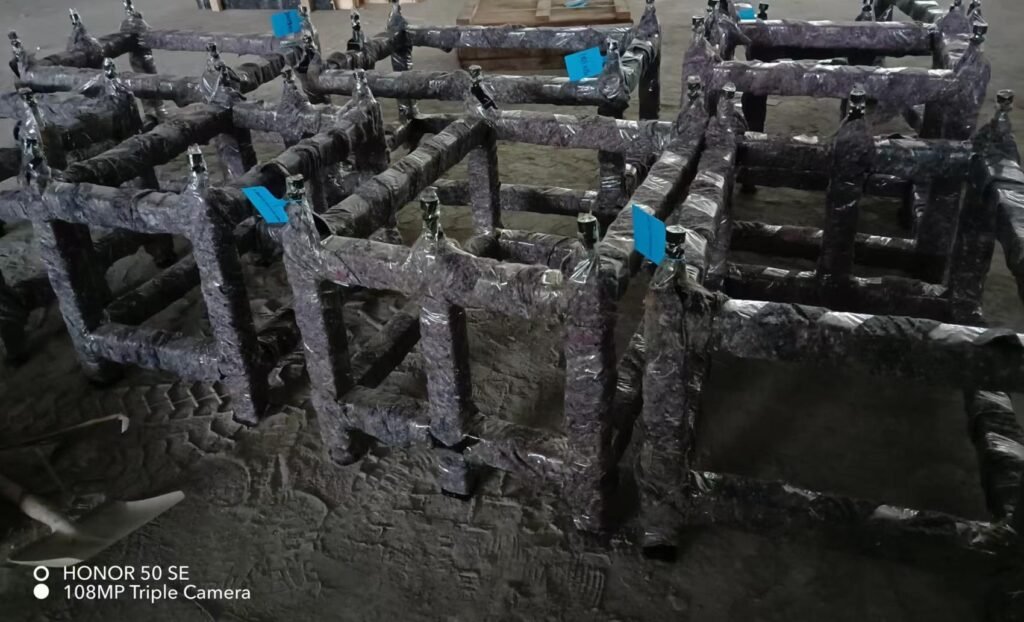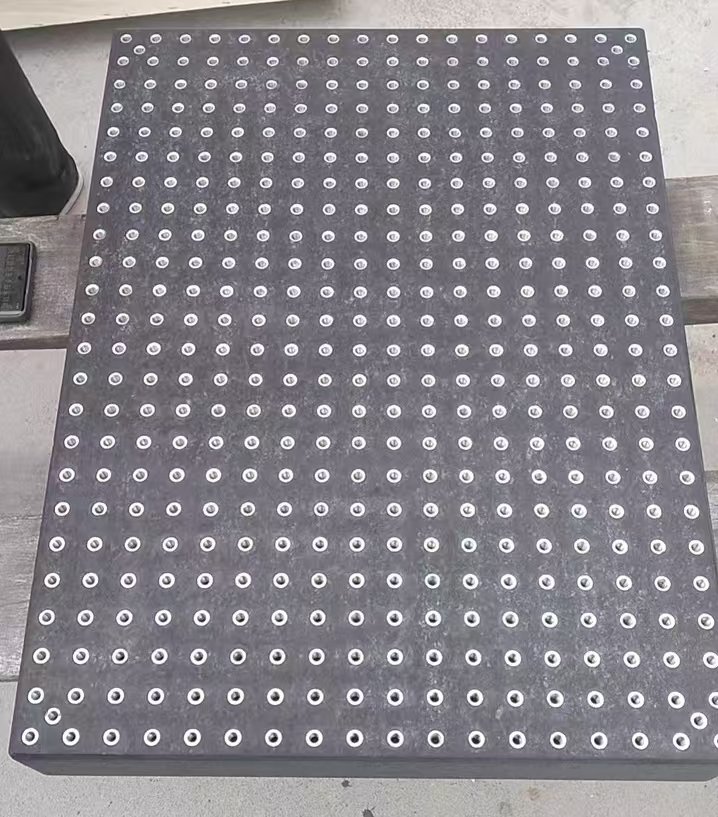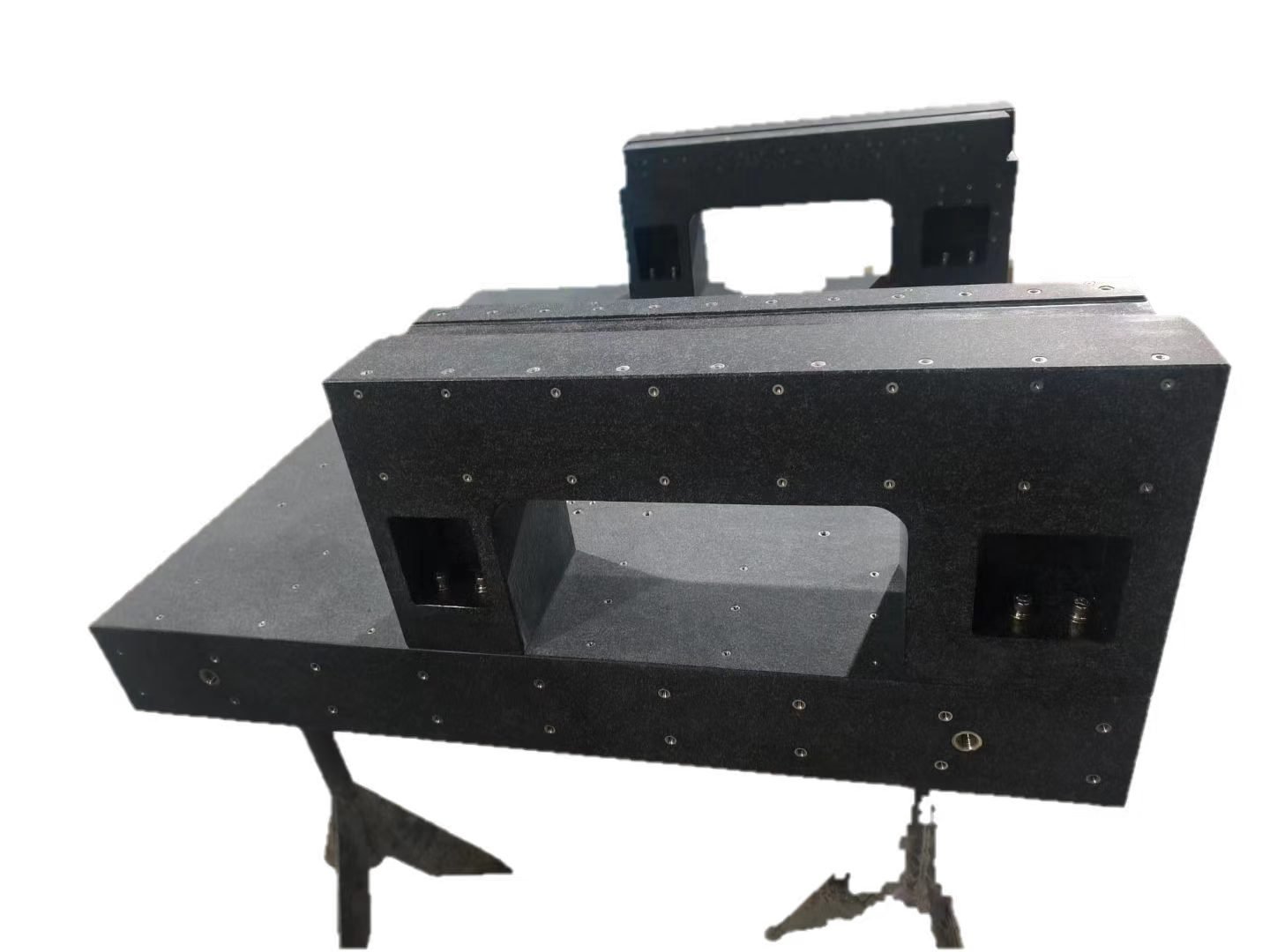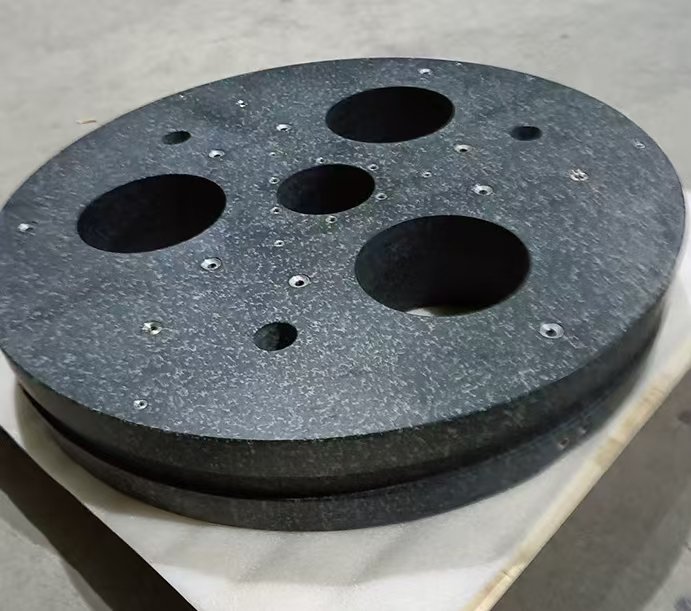
To eliminate internal stresses in precision metal parts, the core approach is: heat the material to “loosen” the atoms, then cool it slowly to releasetress, while minimizing deformation and preserving hardness and strength.
I. Stress Relief Annealing (Most Universal and Commonly Used)
Principle
Heat to a temperature below the phase transformation point, hold a period to allow internal stresses to relax, then cool slowly.
Does not alter the microstructure, does not significantly soften the material, and provides excellent dimensional stability.
Process Parameters (Cmon Ranges)
Carbon Steel / Structural Steel: 550–650°C, holding time 2–6 hours
Cast Iro: 500–550°C
Stainless Steel: 600–750°C
Cooling: Slow cooling in the furnace to below 200°C before unloading.
Ale Scenarios
Precision shafts, sleeves, molds, and fixtures
Parts after machining, welding, or cold forming
Precision parts requiring high dimensional accuracy and long-term deformation resistanc
المزايا
Effective stress relief
Minimal impact on hardness and strength
Minimal deformation
II. Low-Temperature Annealing (Low-Temperature Stress Relief, Preventing Deformation)
Ptemperatures, generally 250–450°C, with long holding times.
الخصائص
Lower stress elimination rate than high-temperature stress relief annealing, beven smaller deformation
Suitable for precision parts that have already been finish-machined and have high hardness
Applicable
Precision gauges, cutting tools, precision stamping that cannot tolerate any dimensional changes.
III. Aging Treatment (Especially suitable for precision alloy parts)
- الشيخوخة الطبيعية
Stored at room temperature for several months to several years.
Stress is released slowly.
Advantages: Zero deformation.
Disadvantages: Slow, low efficiency.
Mainly used for: High-precision machine tool beds, precision platforms, gauges, etc. - Artificial Aging (Mainstream in industry)
Heated to 100–200°C and held for several hours to dozens of hours, then air-cooled.
Applicable to:
Precision parts of aluminum alloys
Precision parts of titanium alloys and high-temperature alloys
Structural components of high-precision instruments
الميزات:
Stress relief and stabilization
Basically does not change dimensions and mechanical properties
Commonly used as the final stabilization treatment after precision machining
IV. High-Temperature Tempering (Suitable for parts after quenching)
If parts have already undergone quenching medium-high temperature tempering, the tempering itself will eliminate quenching stresses.
العملية:
Tempering at 500–650°C
Furnace cooling or air cooling
Applicable to:
Precision molds, precision gears, shafts
Structural components requiring high toughness dimensional stability
V. Vibration Aging (Auxiliary stress relief, no heating)
Not a heat treatment, but often used in conjunction with heat treatment:
Using vibration equipment to make the part resonate and release internal stresses
Temperature does not rise, completely deformation-free
Suitable for large precision parts, welded parts, machine tool beds
Can be used as:
A supplement to heat treatment stress relief
The only option when heating the part is not allowed
VI. Selection for Different Materials (Direct reference)
- Precision parts of carbon steel / alloy structural steel
After rough machining: Stress-relief annealing at 550–600°C
Before/after precision machining: Low-temperature annealing at around 300°C - Precision parts of stainless steel
Stress relief: Stress-relief annealing at 600–700°C
High corrosion resistance requirements: Avoid excessively high temperatures - Precision parts of aluminum alloys
Artificial aging at 120–170°C, 4–24 hours
Strictly prohibit high temperatures, otherwise softening and deformation will occur - Precision platforms/beds of cast iron
Stress-relief annealing at 500–550°C
Combined with natural aging for excellent dimensional stability - High-precision gauges, gauge blocks
Low-temperature aging cryogenic treatment (around -70°C)
Multiple cycles to ensure long-term dimensional stability
VII. Key Points (To ensure precision without deformation)
Heating speed must be slow
Especially slow for large parts and complex parts to prevent the superposition of thermal stresses.
Holding time must be sufficient
For every 10mm increase in wall thickness, holding time should be extended by about 1 hour.
Cooling must be slow
Rapid cooling will regenerate stresses, making previous efforts futile.
Process sequence is important
Recommended sequence:
Rough machining → Stress-relief annealing → Semi-precision machining → Low-temperature aging / stabilization treatment → Precision machining
Strictly prohibit high-temperature treatment after precision machining, as it is extremely prone to deformation exceeding tolerances.
Brief Summary
To thoroughly relieve stress stabilize dimensions: Use stress-relief annealing
To have almost no deformation: Use low-temperature annealing or artificial aging
Quenched parts: Use high-temperature tempering
Large parts: Combine heat treatment with vibration aging.