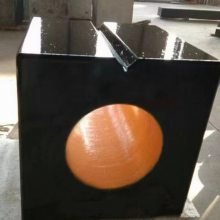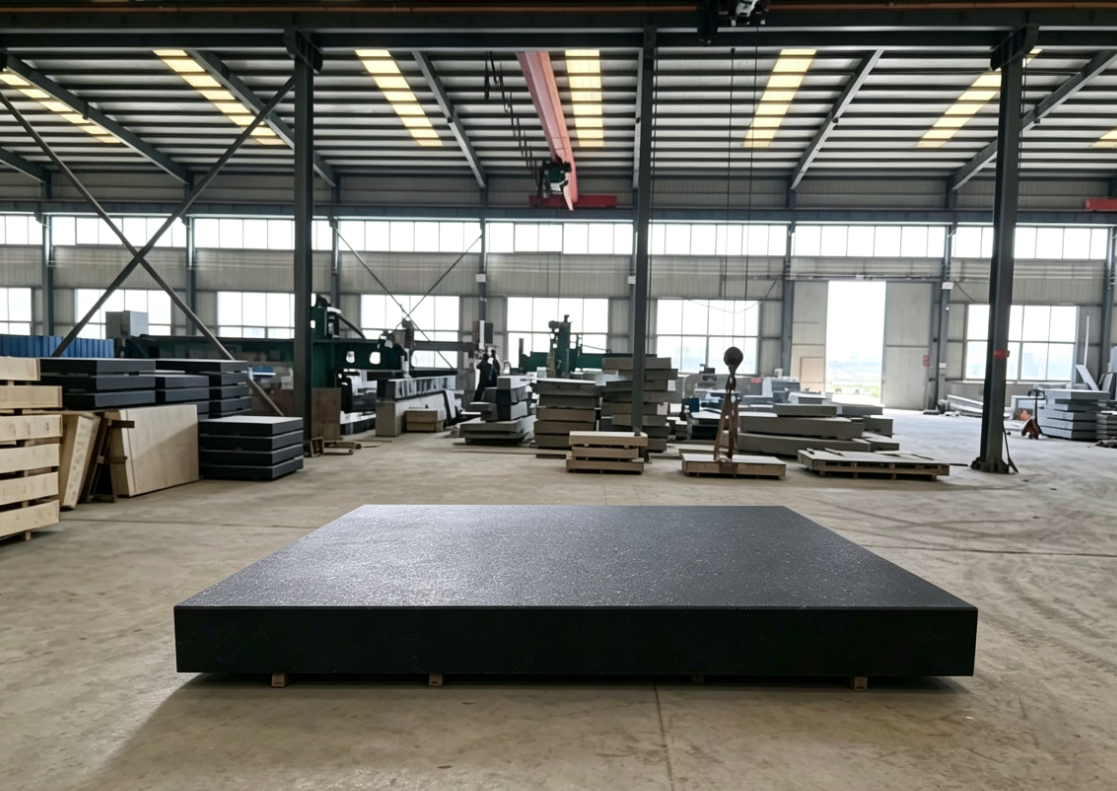
Marble Square Box vs. Cast Iron Square Box: ComparisonI. Core Performance1. Precision and Stability- Marble Square Box: Resistant to thermal expansion and contraction, maintains good precision over long-term use, suitable for high-precision measurements.- Cast Iron Square Box: Easily deformed by temperature and external forces, resulting in faster precision decay; mostly used in general working conditions.2. Physical Properties- Marble: Non-magnetic, rust-free, acid and alkali resistant, wear-resistant, requires no oiling maintenance.- Cast Iron: Prone to rust, magnetic, requires regular application of anti-rust oil, susceptible to corrosion.3. Hardness and Impact Resistance- Marble: High hardness, wear-resistant, but brittle; prone to chipping and cracking upon impact with heavy objects.- Cast Iron: Good toughness, impact-resistant, not easily broken.II. Application Scenarios- Marble Square Box: Precision testing rooms, coordinate measuring machine/image system accessories, gauge calibration, high-end machining quality inspection, dust-free precision workshops. Cast Iron Square Boxes: Suitable for general fitter marking, machine tool on-site inspection, rough workshop operations, and heavy-duty fixture positioning.III. Weight and Operation- Marble: Heavier than other materials of the same size, difficult to move, suitable for fixed workstations.- Cast Iron: Relatively lightweight, more flexible to move and flip.IV. Price and Lifespan- Marble: Higher unit price, extremely long normal service life.- Cast Iron: High cost-performance ratio, lower price, requires continuous maintenance, slightly shorter lifespan.Quick Selection Recommendations- For high precision, long-term stable precision, and a clean environment → Choose a marble square box.- For on-site workshop use, frequent movement, sensitivity to impacts, and limited budget → Choose a cast iron square box.