High Precision Granite Surface Plate: Complete Introduction (Applications, Material, Accuracy Grades, Features, Selection, Maintenance)
I. What is a High Precision Granite Surface Plate?
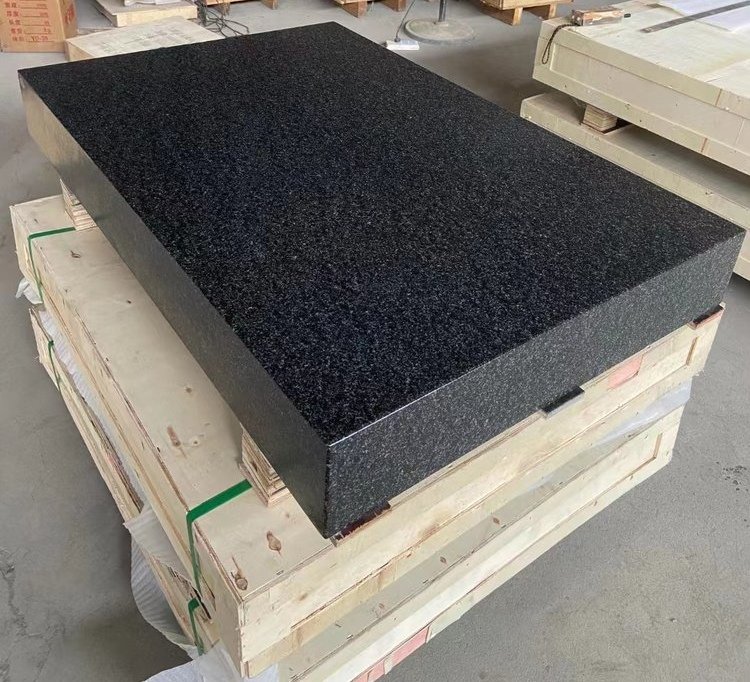
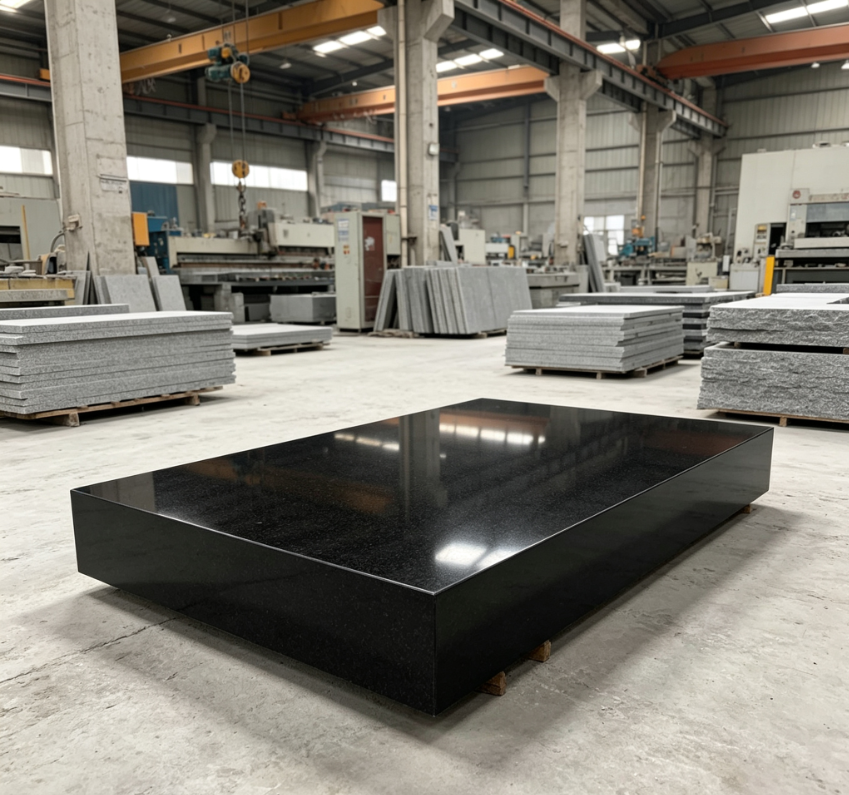
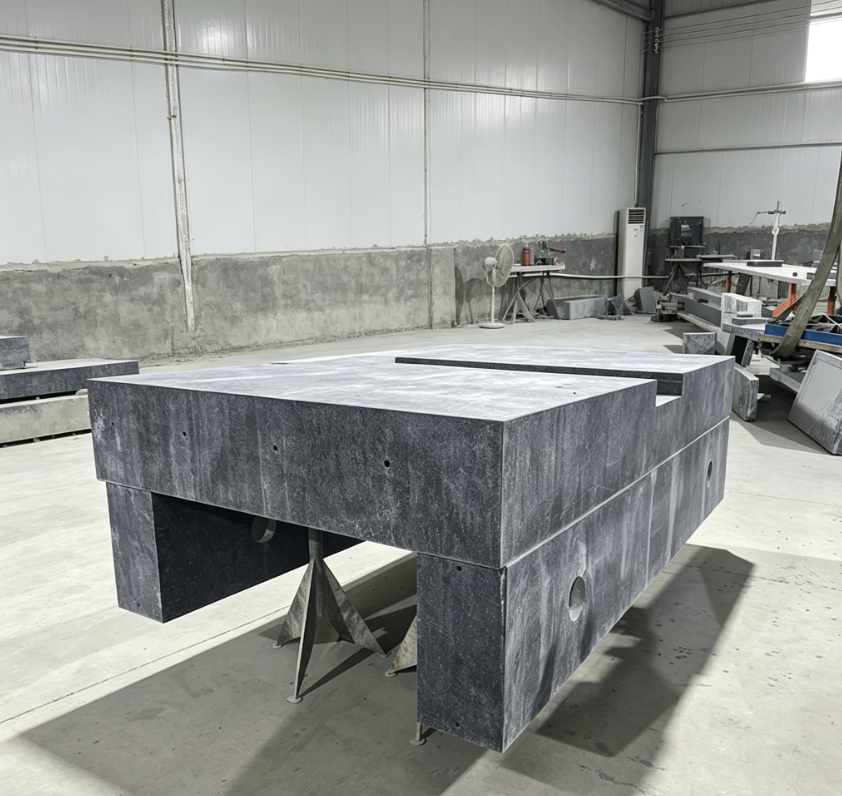
A precision benchmark measuring tool made from natural black fine-grained granite (such as Jinan Qing, Mount Tai Qing, etc.) after aging treatment and precision grinding. It serves as a reference surface for mechanical inspection, CMMs, tooling calibration, and precision assembly.
II. Core Advantages (Why it is better than cast iron)
Extremely high precision stability
Minimal internal stress, long-term deformation and creep resistance, maintaining accuracy for years.
Low thermal deformation
Low coefficient of thermal expansion; workshop temperature fluctuations have a much smaller impact on flatness compared to cast iron.
Excellent vibration damping
High damping crystal structure absorbs vibrations, suitable for precision inspection and measuring tool calibration.
Rust-proof and non-magnetic
Non-magnetic, does not attract metal chips; resistant to cutting fluids and oil stains; no rust maintenance required.
High hardness and wear resistance
High Mohs hardness, resistant to scratches, with high surface finish.
Uniform structure without sand eyes
Dense and pore-free, preventing deformation and oil seepage.
III. Common Materials (Specialized for High Precision)
First Choice: Jinan Qing (High-end industry standard, fine grain, uniform structure, extremely low stress, most stable precision)
Alternative: Mount Tai Qing, Zhangqiu Qing (General industrial high precision)
Reject: White granite, red granite, mixed color speckled granite (Uneven structure, unsuitable for high precision).
IV. Accuracy Grades (Common National Standards)
Divided into three grades:
000 Grade: Ultra-high precision, for laboratories, metrology rooms, and CMM benchmarks.
00 Grade: Precision inspection, measuring tool calibration, precision tooling.
0 Grade: Workshop routine inspection, scribing, assembly.
Precision values are slightly relaxed as the platform size increases; the larger the specification, the greater the flatness tolerance.
V. Common Specifications and Structure
Standard Sizes: 200×300, 300×400, 400×600, 500×800, 600×1000, 800×1200, etc.
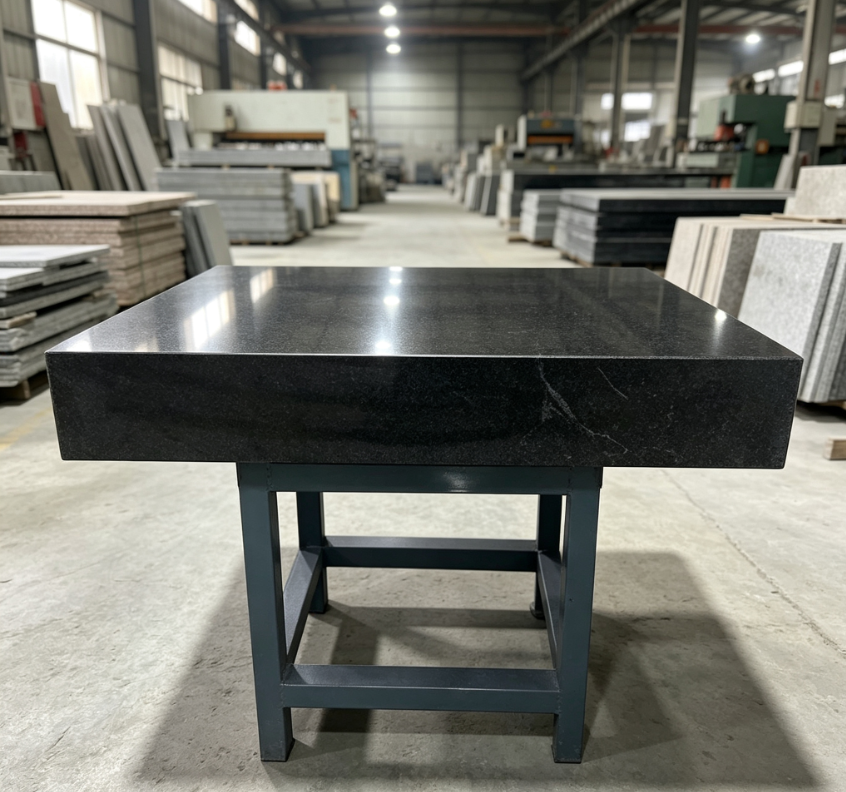
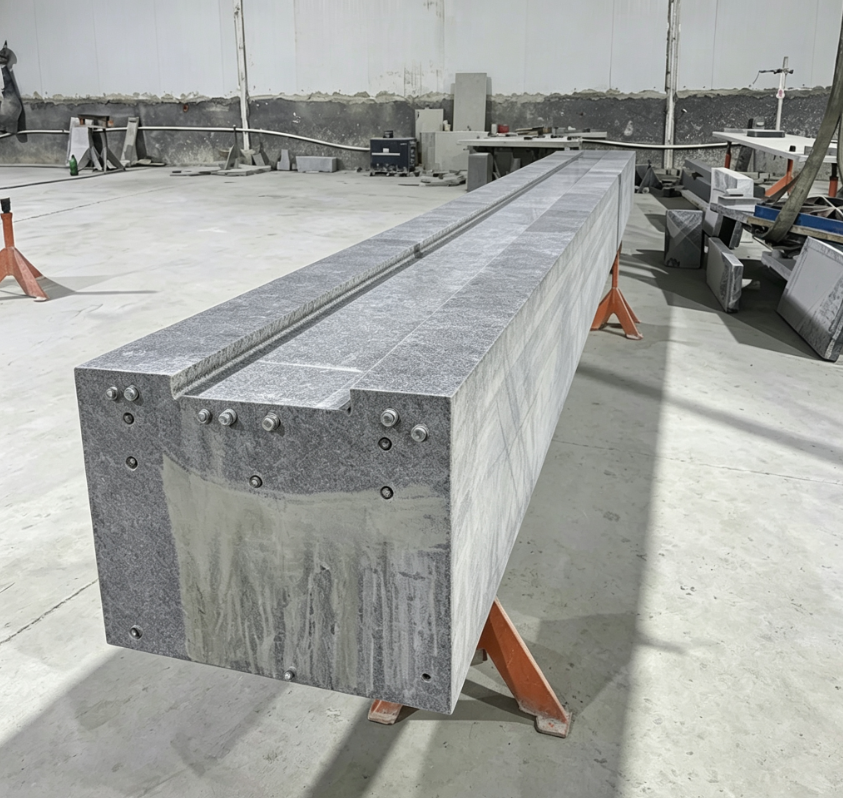
Structure: Solid monolithic block with thickened ribbed base, supporting feet on the bottom.
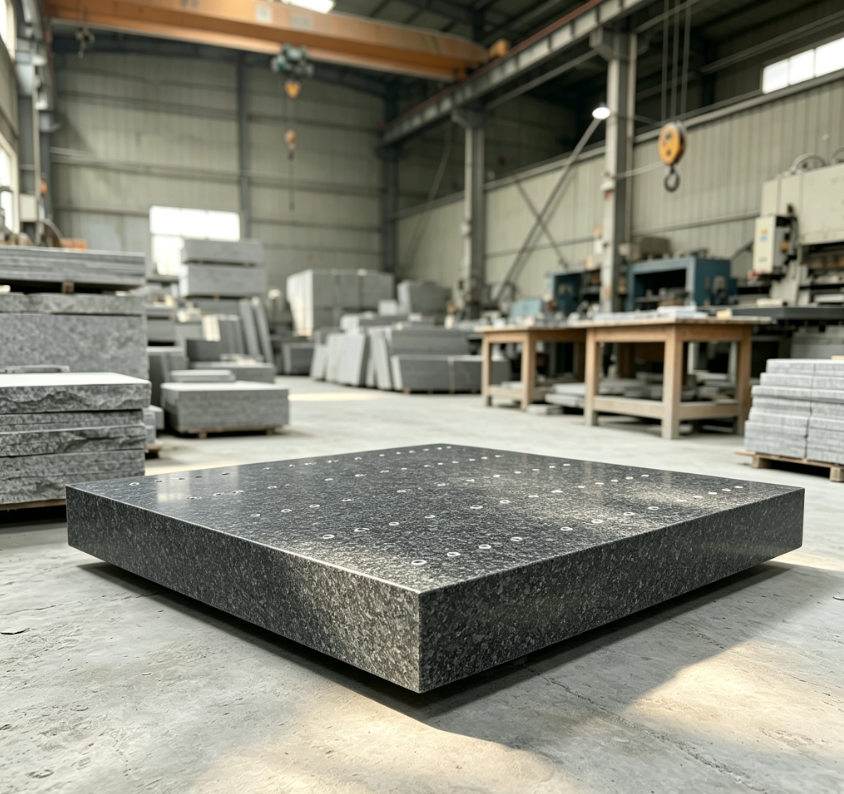
Customizable: T-slots, threaded holes, dowel holes, lifting holes, air floatation holes.
VI. Application Scenarios
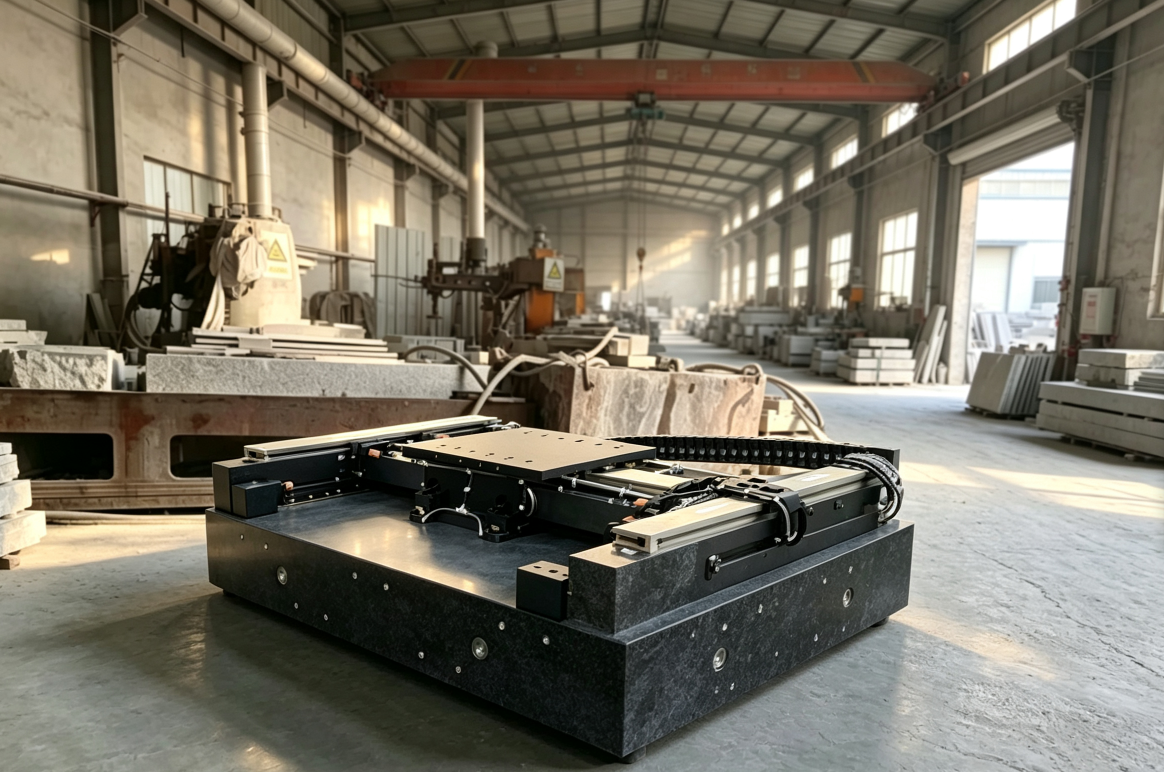
CMM bases, gantry guide benchmarks
Precision measuring tool calibration (straight edges, angle blocks, gauge blocks)
Mold, precision part inspection, scribing, assembly
Optical instruments, automation equipment reference surfaces
Laboratory metrology benchmarks
VII. Key Points for Use and Storage
Must be supported by three points with adjustable vibration-damping feet; forced twisting for leveling is prohibited.
Keep away from direct sunlight, air conditioning drafts, and heat sources; maintain a constant temperature of around 20°C as much as possible.
Knocking, hammering, and grinding workpieces on the surface are strictly prohibited.
Clean with anhydrous alcohol and lint-free cloth; avoid acids, alkalis, and steel wool.
Avoid long-term localized heavy pressure to prevent minute deformation.
Regularly re-inspect flatness; 000 Grade is recommended to be stored in a metrology room with constant temperature.