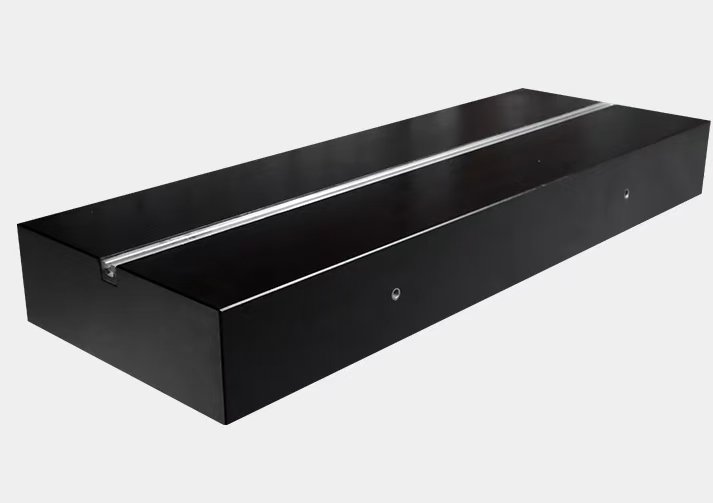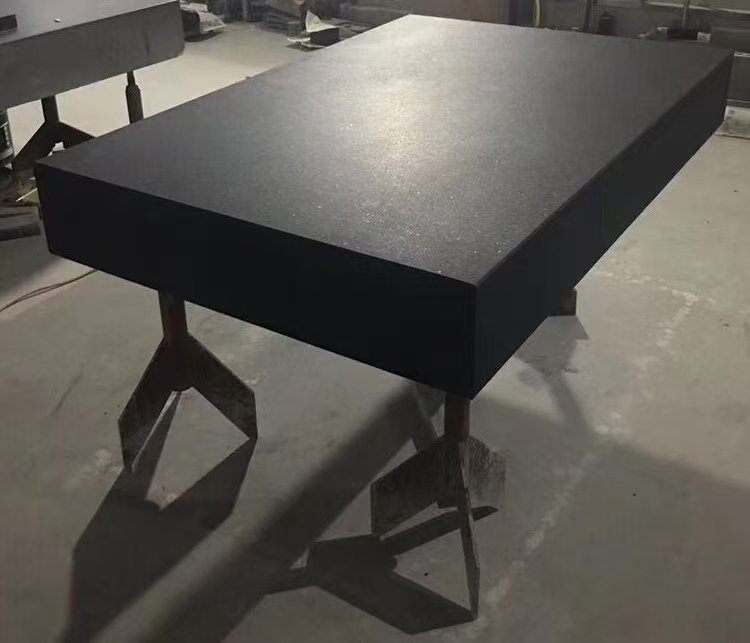
I. Installation and Environmental Usage Notes
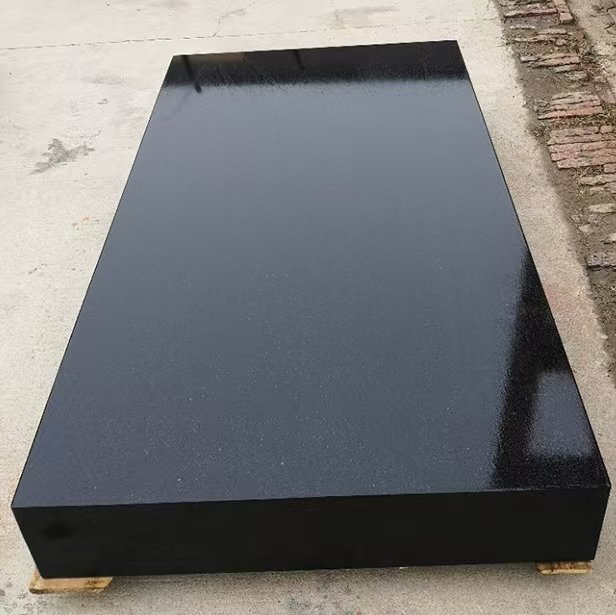
The floor foundation must be level and sufficiently rigid.anite has an extremely high self-weight; ground settlement or slight tilting will cause deformation of the overall planarity, directly affecting detection accuracy.
It is recommended to construct an independent foundation / vibration isolation platform to avoid sharing the floor with other heavy equipment on the production line.
Strictly control temperature fluctuations.
Although granite has low thermal expansion, large-scale and long-term temperature difes can still cause micro-deformation.
The temperature in the detection area should be kept as stable as possible within ±0.5℃; avoid direct air conditioning drafts, direct sunlight, aproximity to heat-generating equipment.
Allow the machine to stabilize at a constant temperature before use; do not perform high-precision calibration immediately after turning on.
Prohibit localized loading orint pressure.
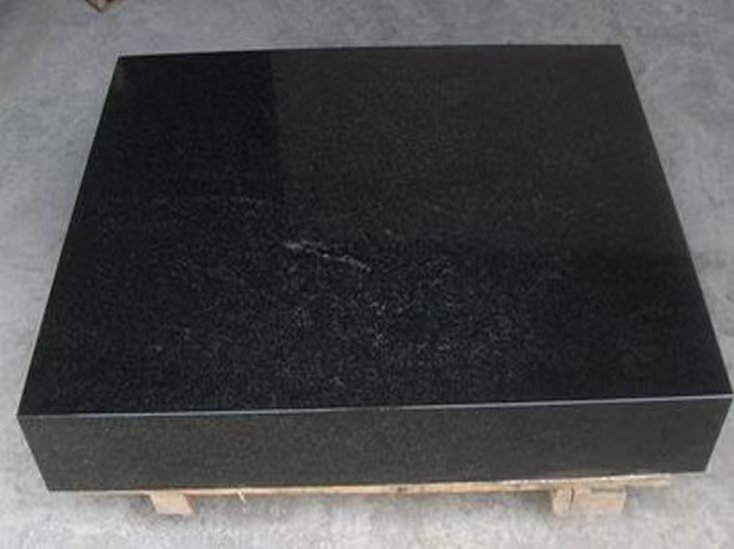
Granite is strong in compression but weak in bending; localized concentrated loads can easily lead to micro-cracks, chipping, or even fracture.
Stepping, siting, lying, stacking heavy objects, or striking the base are strictly prohibited.
Avoid proximity to vibration sources.
Although granite has good damping properties, strong continuous vibration can still damage the air-bearng platform, camera imaging, and repeatability accuracy.
Keep away from strong vibration equipment such as air compressors, vacuum pumps, punch presses, and conveyors.
II. Daily Maiand Cleaning (Focus for Clean Rooms)
Use only neutral cleaning agents; strong acids and bases are strictly prohibited.
Granite is susceptible to acid and alkali corrosion, which can cs of surface luster, enlargement of micro-pores, and loss of accuracy.
For cleaning: use lint-free cloth pure water / isopropyl alcohol; light wiping is fficient.
Do not scrape with metal tools.
Hard metal objects will leave permanent scratches on the granite surface, damaging the air-bearing running surface.
Use plastic or wooden scrapers to remove fore objects, or blow them away directly.
Keep dry to prevent water stains from seeping in.
Natural stone has micro-pores; long-term water accumulation may lead to internal moisture and slighn, affecting long-term stability.
Wipe dry immediately after cleaning to avoid liquid residue.
Regularly check planarity and level.
Frequent calibration is not required, but it is recomded to re-measure level and planarity every six months to one year to avoid drift caused by slow changes in the foundation.
III. Handling, Moving, and Disassembly/Assembly(Most Likely to Cause Damage)
Dragging, diagonal lifting, and single-point lifting are strictly prohibited.
Granite is brittle; dragging can cause chipping or fracture; lifting must ith multiple points of even force using flexible slings.
When moving, the entire unit must be moved horizontally; do not pry the edges of the base.
Marking and level recormust be done before moving.
Precision can be quickly restored after repositioning; otherwise, a full equipment recalibration will be required, which is very time-consuming.
Transportation must bockproof and tilt-proof.
For long-distance transport, add wooden frames and shock-absorbing pads; tilt angle should be kept as <3° as possible to prevent internal hden cracks.
IV. Notes on Using with Equipment
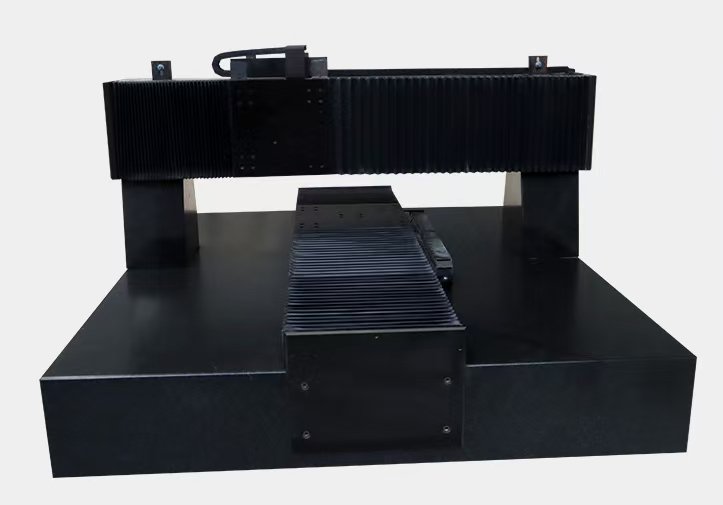
The air-bearing platform area requires extra dust prevention.
Once dust or glass shards enter the granite surface, they can scratch the air-beacks, causing movement jamming and positioning errors.
Maintain workshop cleanliness and regularly blow the guide surfaces with clean air.
Avoid direct tapping or welding on the base.
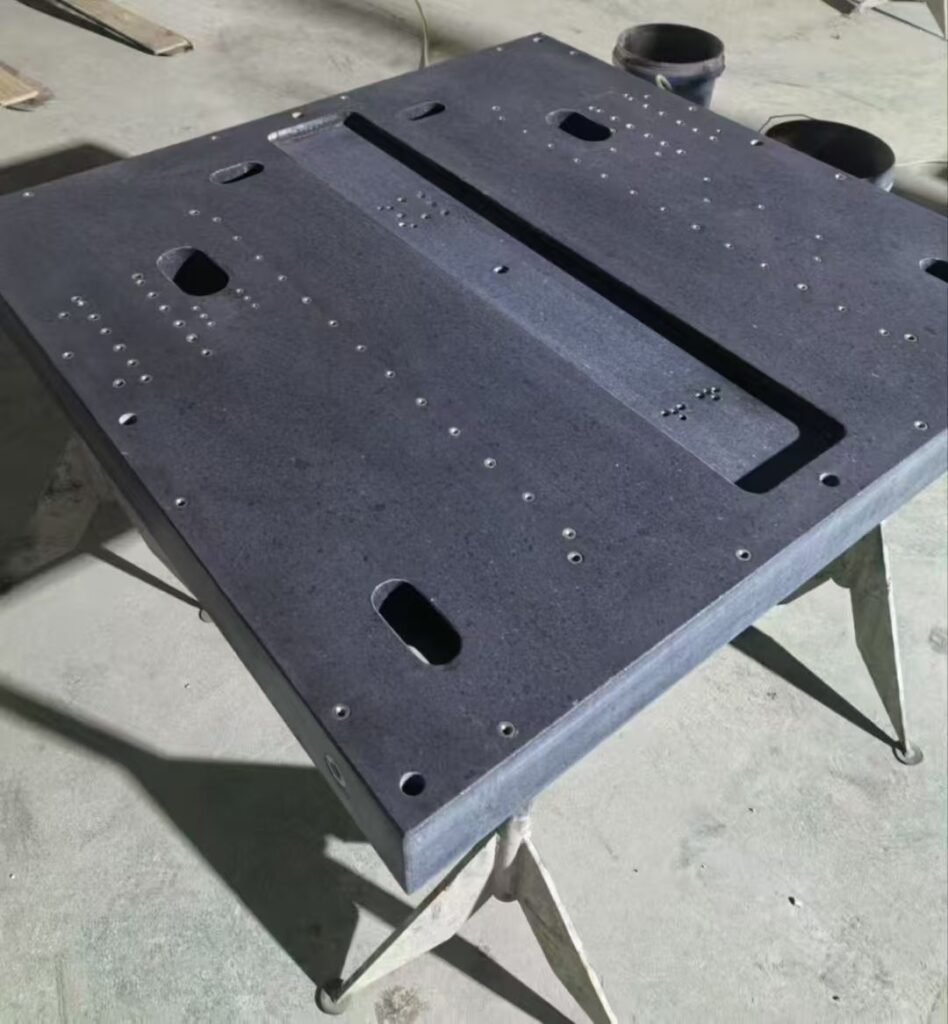
Welding high tempes can cause local explosion and instability in the granite; drilling will disrupt stress distribution and affect overall accuracy.
Fixing mechanisms should use clamping plates or fixtures rather than enlarging or modifying holes directly on the granite.
Prevent static electricity and oil stains.
Oil stains attract dust, forming stubborn stains that affect the optical detection environment.
Granite is non-conductive; eer grounding of the entire equipment to prevent static electricity from attracting panel dust.
V. Handling of Abnormal Conditions
Edge or corner chipping: Minor chipping that does not affect the flatness allows continued use, but it must be gro promptly to prevent further expansion;
Through-cracks: Must be immediately taken out of service and replaced as a whole; repair and continued use are prohibited;
Sudden precision drift: Priorit temperature, vibration, and floor level before inspecting the granite itself.