I. Source Prevention: Selecting the Right Material and Using the Correct Process (Most Critical)
Material Selection
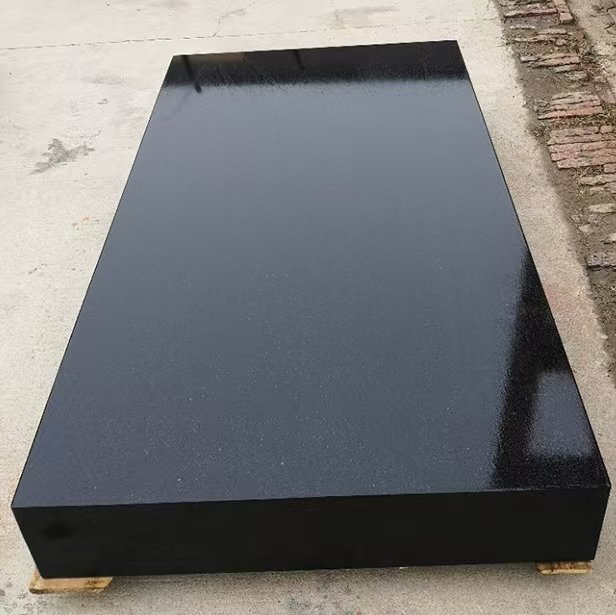
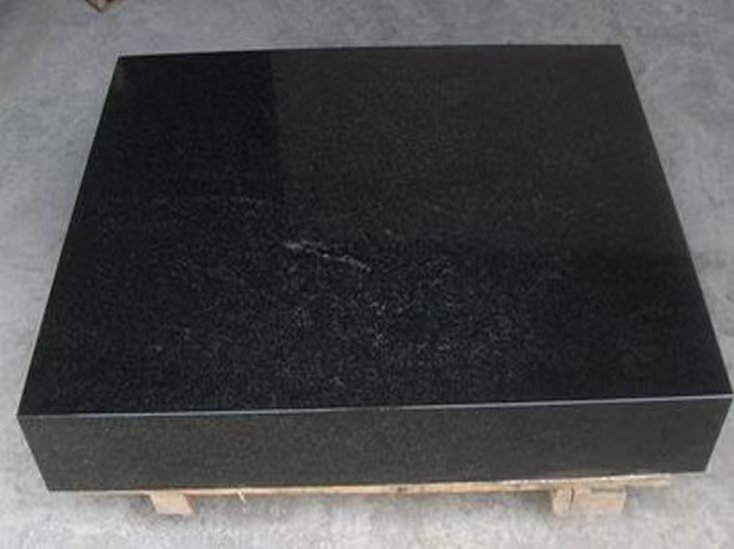
Prioritize fine-grained granite with few cracks and layers, such as Jinan Green and Zhangqiu Black.
Avoid materials with hidden cracks, color spots, layers, or water lines.
Structural Design
Large platforms must not be too thin; insufficient thickness makes them extremely prone to breaking.
Corners, slots, and steps must be rounded, reinforced, and stress-relieved.
Avoid sharp corners, deep slots, and abrupt cross-section changes.
Internal Stress Treatment
Must undergo natural aging artificial aging to eliminate internal stress.
Platforms with unrelieved stress often crack naturally after 6 months to 1 year of use.
II. Installation Prevention: 90% of Breakages Are Due to Incorrect Installation
Support Must Be Three-Point Support
Granite is a brittle material; multiple hard support points easily cause splitting.
Only allow 3 main support points; auxiliary supports should make light contact and not be rigidly fixed.
Foundation Must Be Level, Anchors Must Be Stable
Uneven ground → platform is forcibly bent → cracking.
Anchor bolts must not be over-tightened to avoid compressive stress.
Shims / Adjustment Pads Must Be Soft and Large
Use hard rubber, felt, or copper sheets to buffer support points.
Small hard support areas = concentrated stress → direct chipping or cracking.
Handling and Lifting
Must be evenly supported at multiple points; use slings, not wire ropes.
Strictly prohibit single-corner landing, dropping, or dragging.
III. Usage Prevention: The Most Easily Overlooked Aspect
Strictly Prohibit Impact and Striking
Direct impact from hammers, wrenches, or workpieces → guaranteed chipping or hidden cracks.
Place workpieces gently; do not drag, hit, or drop them.
Load Evenly, Do Not Overload
Concentrated heavy loads on a single point are a major cause of rupture.
Heavy loads must be placed on large-area pads to disperse the force.
Avoid Sudden Temperature Changes
Do not blow air conditioning directly on it, place near heaters, or expose to direct sunlight.
Thermal expansion and contraction generate internal stress, which will slowly tear the platform apart.
Drilling, Tapping, and Modification Must Be Professional
Private drilling, enlarging holes, or cutting slots easily causes vibration cracks or breakage.
Must use specialized diamond tools, slow feed rates, and water cooling.
IV. Maintenance Prevention: Extending Lifespan and Early Warning
Regular Inspection
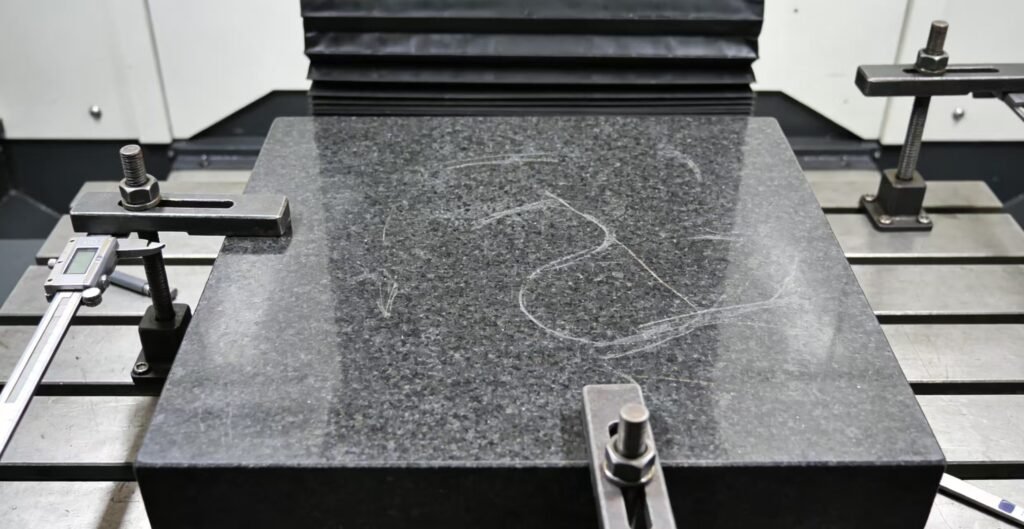
Check for fine cracks, chipped edges, and white stress lines.
If hidden cracks are found, stop using immediately to prevent sudden breakage and injury.
Keep Clean and Avoid Liquid Accumulation
Long-term immersion in cutting fluid, oil, or water may seep into micro-cracks, causing freeze expansion or swelling cracks.
Must Re-Level Before Moving
Incorrect support after moving will directly crush the platform.
V. The 5 Most Common Breakage Scenarios (Must Be Avoided)
More than 3 support points and rigidly fixed
Platform is too thin or has too large a span
Heavy localized concentrated pressure
Uneven installation surface with forced leveling causing tensile stress
Workpiece falling or colliding