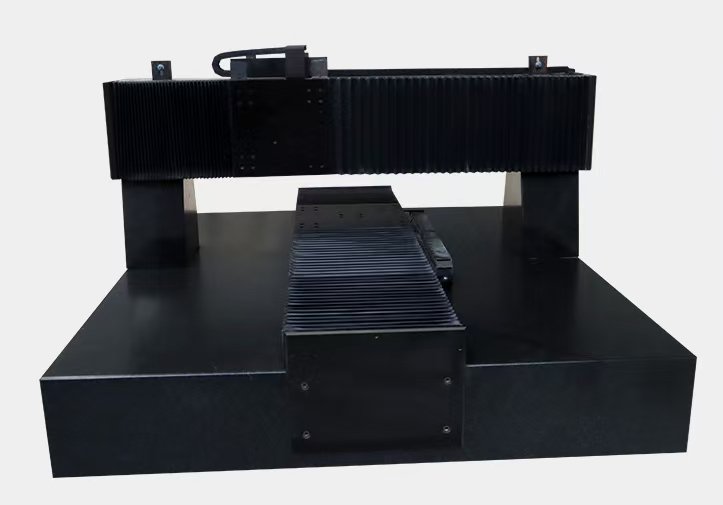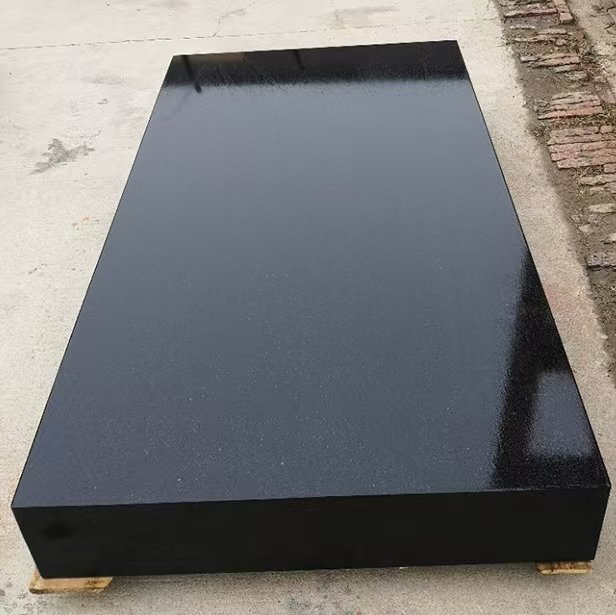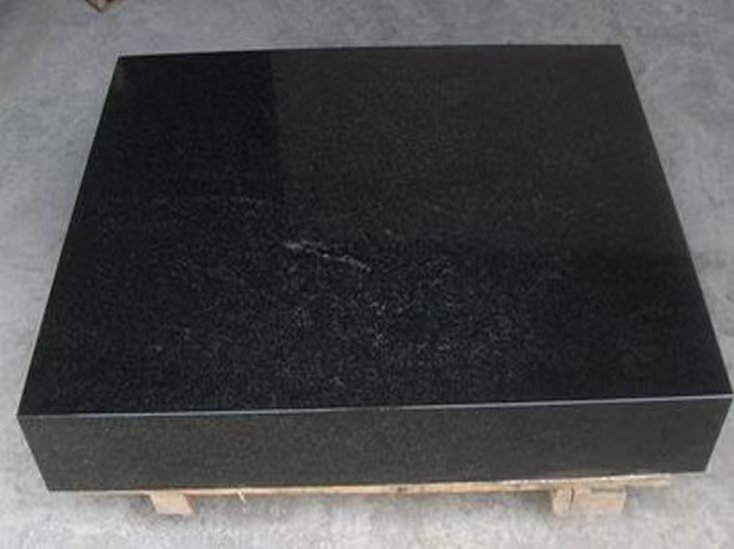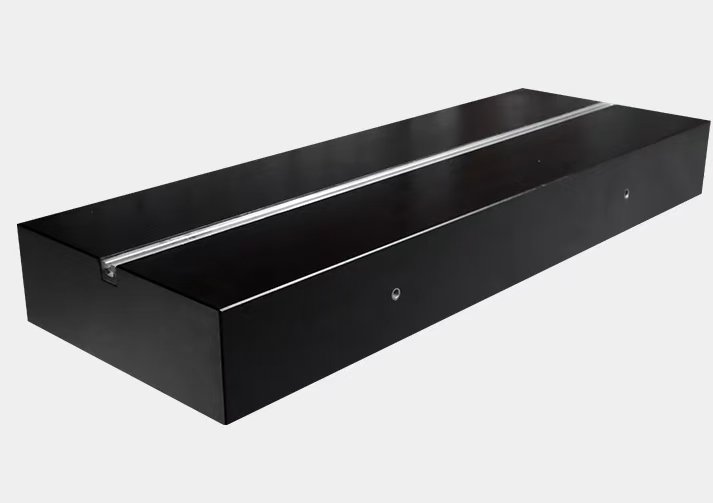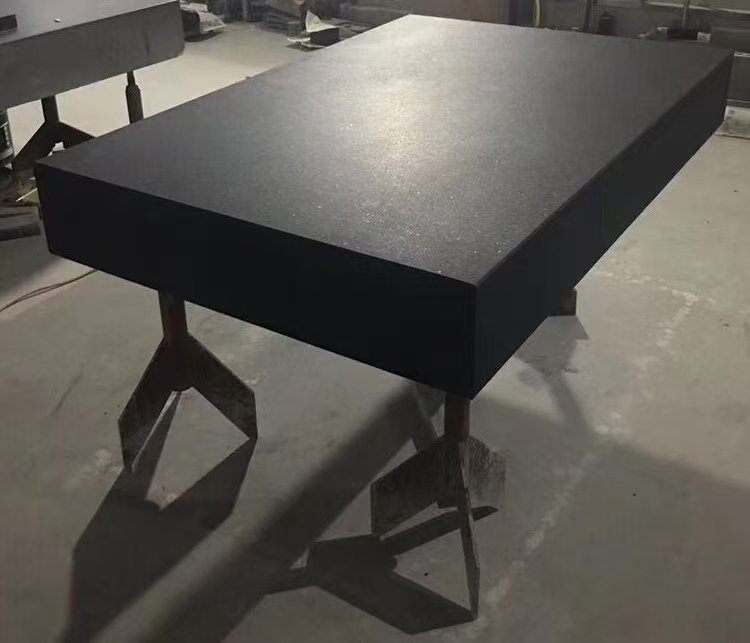
Flatness error inspection of granite platforms shall be conducted in accordance with GB/T 20428-2006 “Rock Slabs”* as a priority. Common methods include the electronic level method, laser interferometer method, optical flat interferometry method, and dial indiator method. Selection should be based on precision requirements and on-site conditions.
I. Common Methods and Applicable Scenarios
Table
| Method | Equipment | Precision | Applicable Snarios |
|---|---|---|---|
| Electronic Level Method | Electronic level Bridge plate | 1–5 μm | Grade 0/1 platforms, suitable for both on-site anboratory use |
| Laser Interferometer Method | Laser interferometer Mirror | 0.1–1 μm | High-precision Grade 00/00latforms |
| Optical Flat Interferometry Method | Optical flat Monochromatic light source | 0.05–0.2 μm | Small size, high precision,non-contact |
| Dial Indicator Method | Dial indicator Straightedge / Bridge plate | 2–10 μm | Workshop rapid inspection, medium and small platforms |
II. Core Insption Steps (Taking the Electronic Level Method as an Example)
Preparation and Leveling
Clean the working surface and bridge plate; adjust the platform to approximate level. Control tempeature at 20℃±2℃, avoid vibration and direct sunlight.
Point Layout and Measurement
Layout points in a “cross” or grid pattern; measure diagonals for large platforms. Sebridge plate span to 1/3–1/2 of the platform’s short side, and record inclination readings point by point.
Data Processing
Calculate flatness error using the luares method or minimum zone method. The difference between the highest and lowest points is the flatness value.
Judgment
Compare with the accuracy grads (000/00/0/1) of GB/T 20428-2006 to determine compliance.
III. Key Points and Precautions
Environment: Stable temperatur, humidity 40%–60%, away from vibration sources. Allow for thermal stabilization for over 30 minutes before measurement.
Point Layout: Cover the entire working surface; for lare platforms, add measurements for diagonals and center regions to ensure representativeness.
Calculation: Prioritize the minimum zone method, which conforms to the “minimum condition” principle for mable results.
Precision Matching: Use laser interferometer or optical flat for Grade 000/00; use electronic level or dial indicator for Gra.
IV. Quick Judgment (GB/T 20428-2006)
Grade 0: Flatness tolerance ≤ (1 L/1000) μm (L is the diagonal length, mm)
Grade 1: Flatness tolerance ≤ 8×(1 L/0) μm
V. On-Site Rapid Inspection (Dial Indicator Method)
Level the platform and fix the dial indicator with the pointer vertically touching the working surface.
Move along the straightedge / bride and record the difference between the maximum and minimum readings.
Repeat measurements for diagonals and cross lines; take the maximum difference as the flatness error.
VI. High-Precision Iction (Laser Interferometer Method)
Arrange mirrors to form a closed light path.
Start the instrument for automatic measurement to generate a 3D topography and flatness report.Export data, compare with standards, and issue a calibration certificate.
VII. Optical Flat Interferometry Method (Small Platforms)
Clean the optical flat and working surface; place gently to avoiscratching.
Irradiate with monochromatic light and observe interference fringes: straight and parallel fringes indicate compliance; curved or deformed fringes indicate error.
Convert fless based on the degree of fringe curvature (λ≈0.589 μm).